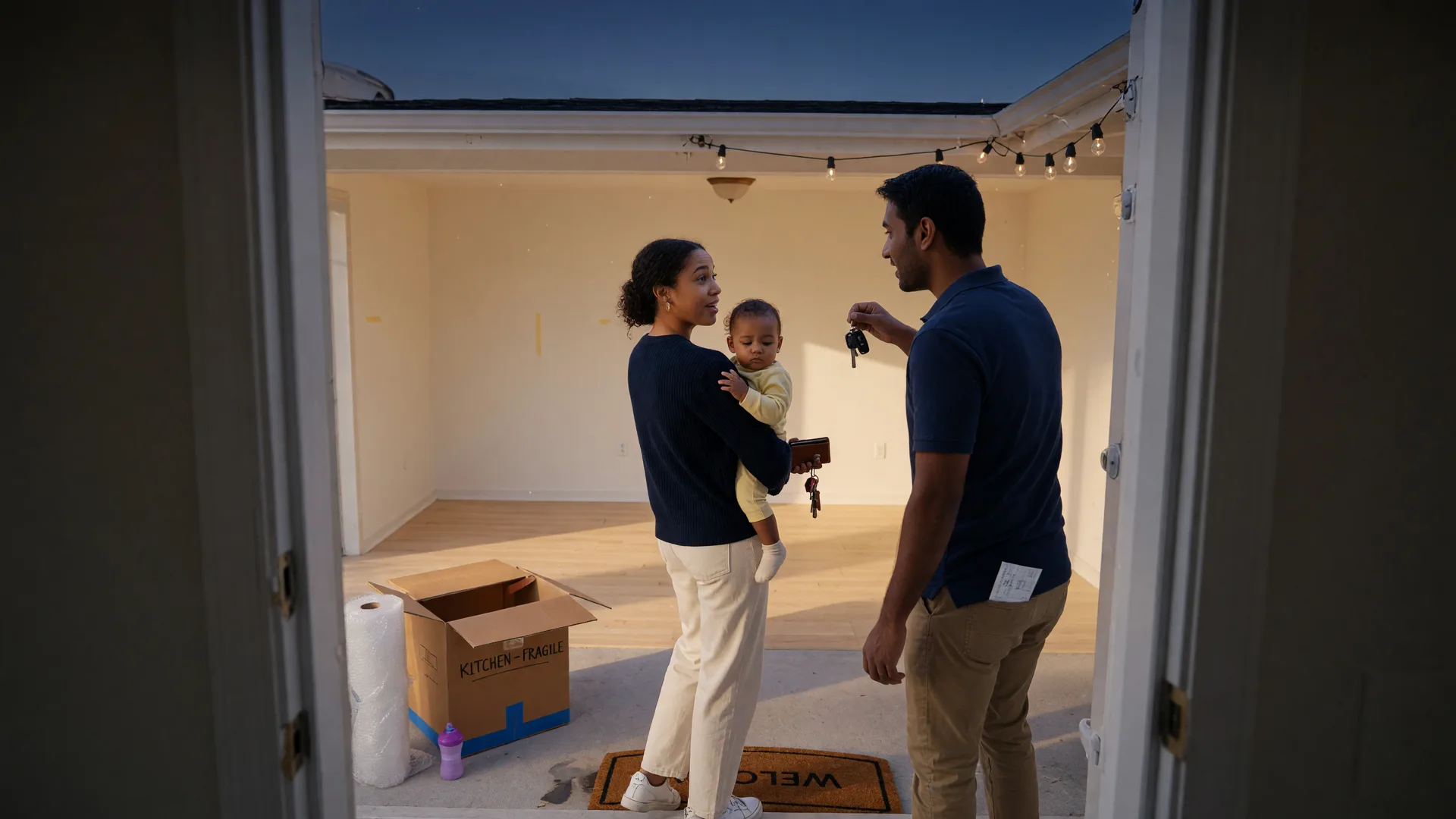
Buying a Home in Las Vegas Starts With the Right Strategy.
From understanding what you can afford to choosing the right neighborhood, evaluating properties, and negotiating your purchase, Steve Lockhart helps you make informed decisions at every step.
Your Home | My Strategy | Proven Results
Choose Your Buying Path
Every Buyer Has a Different Starting Point.
Whether you're purchasing your first home, relocating, investing, or planning your next move, start with the information that fits your situation.
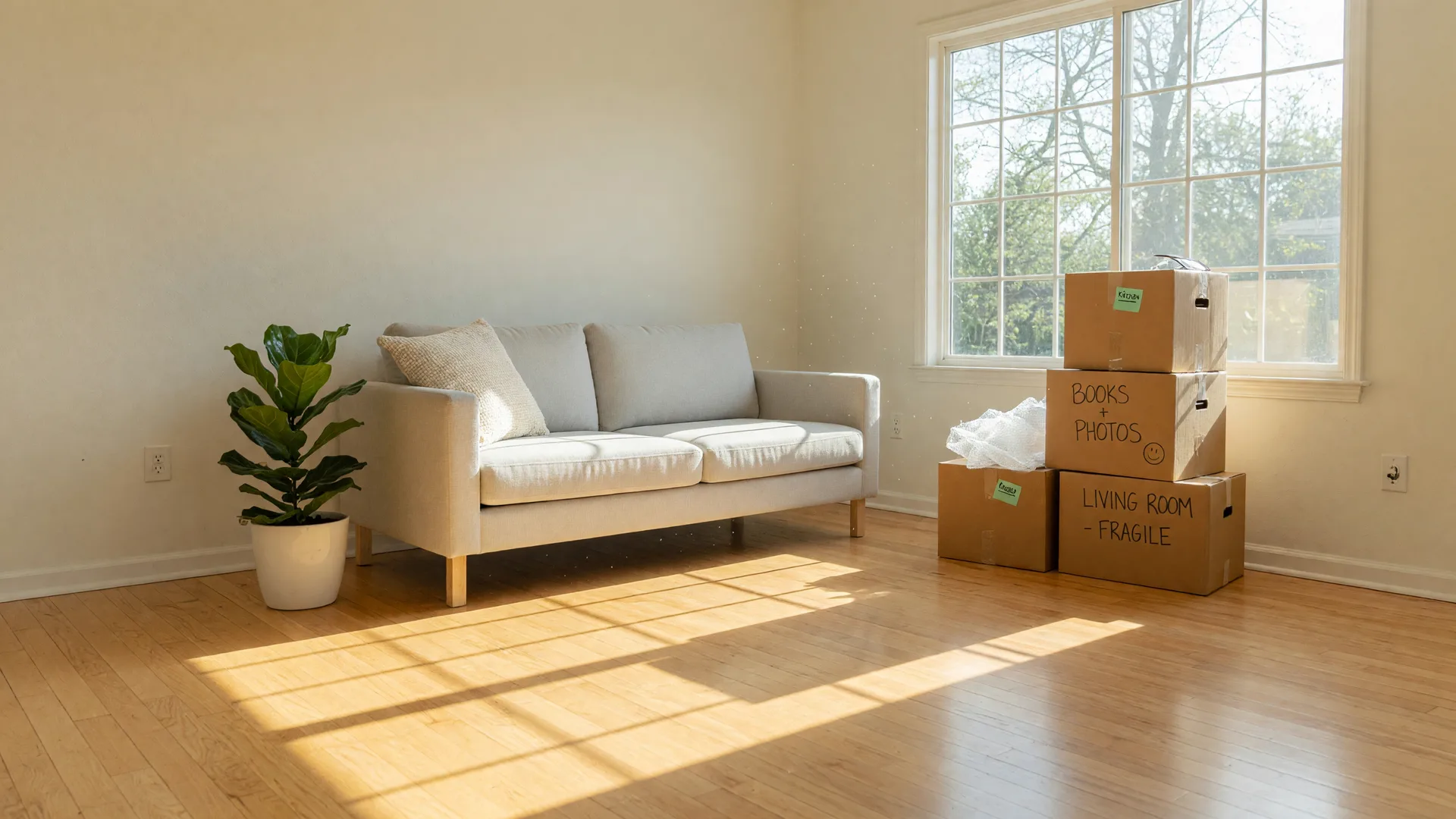
First-Time Homebuyers
Understand financing, down payments, closing costs, and the steps to buying your first Las Vegas home.
Explore First-Time Buying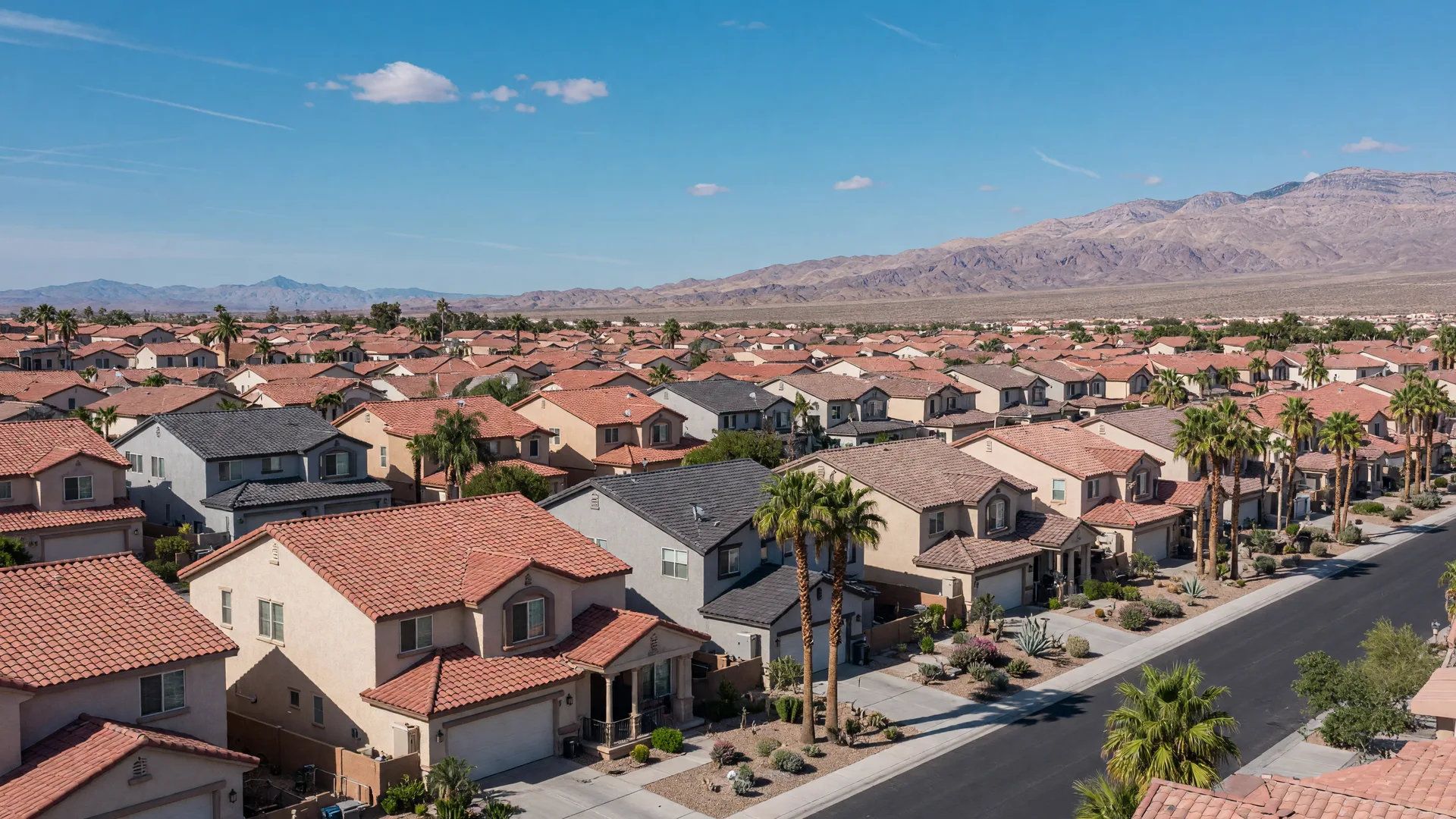
Military & VA Buyers
Explore VA financing, relocation considerations, and homebuying resources for military families and veterans.
Explore VA Homebuying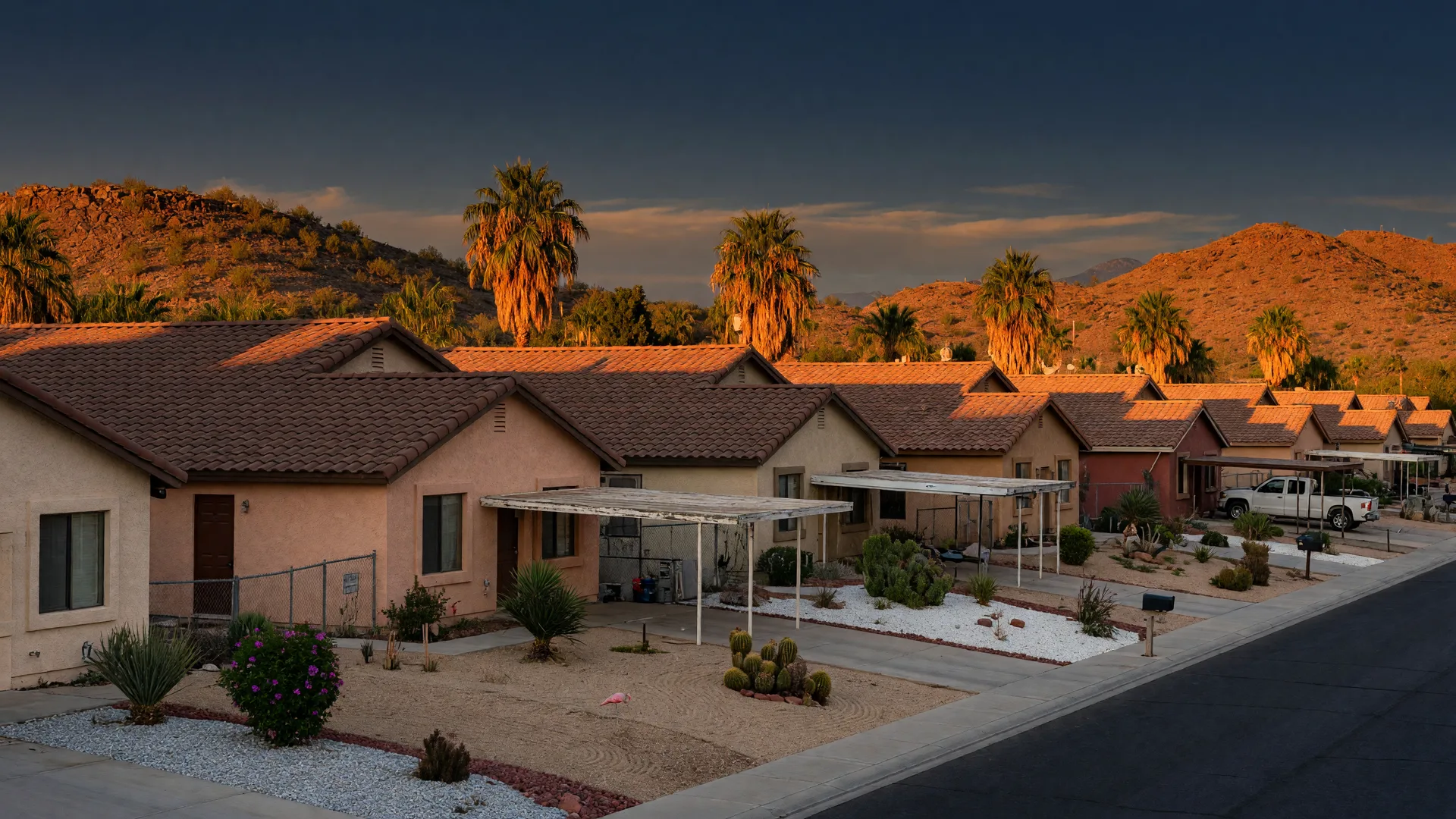
Relocating to Las Vegas
Compare communities, lifestyles, housing options, and the practical considerations of moving to Southern Nevada.
Plan My Relocation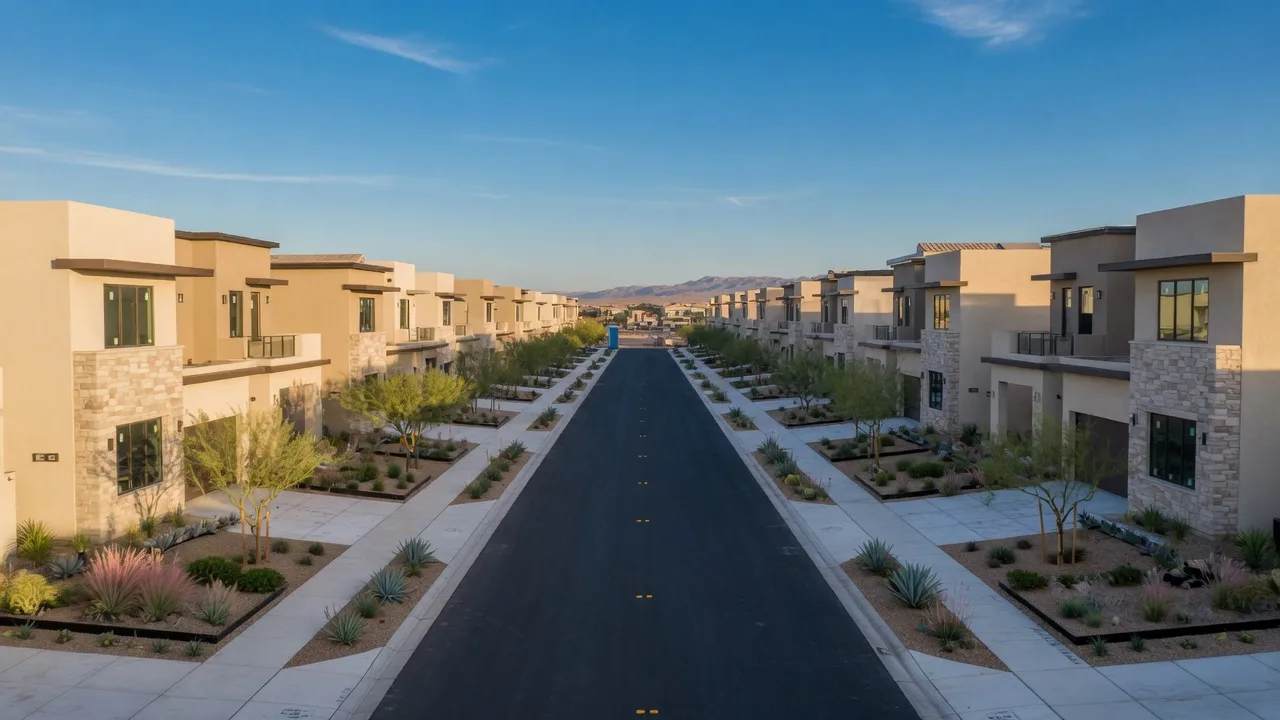
New Construction Buyers
Understand builder incentives, financing offers, contracts, upgrades, timelines, and the importance of independent representation.
Explore New Construction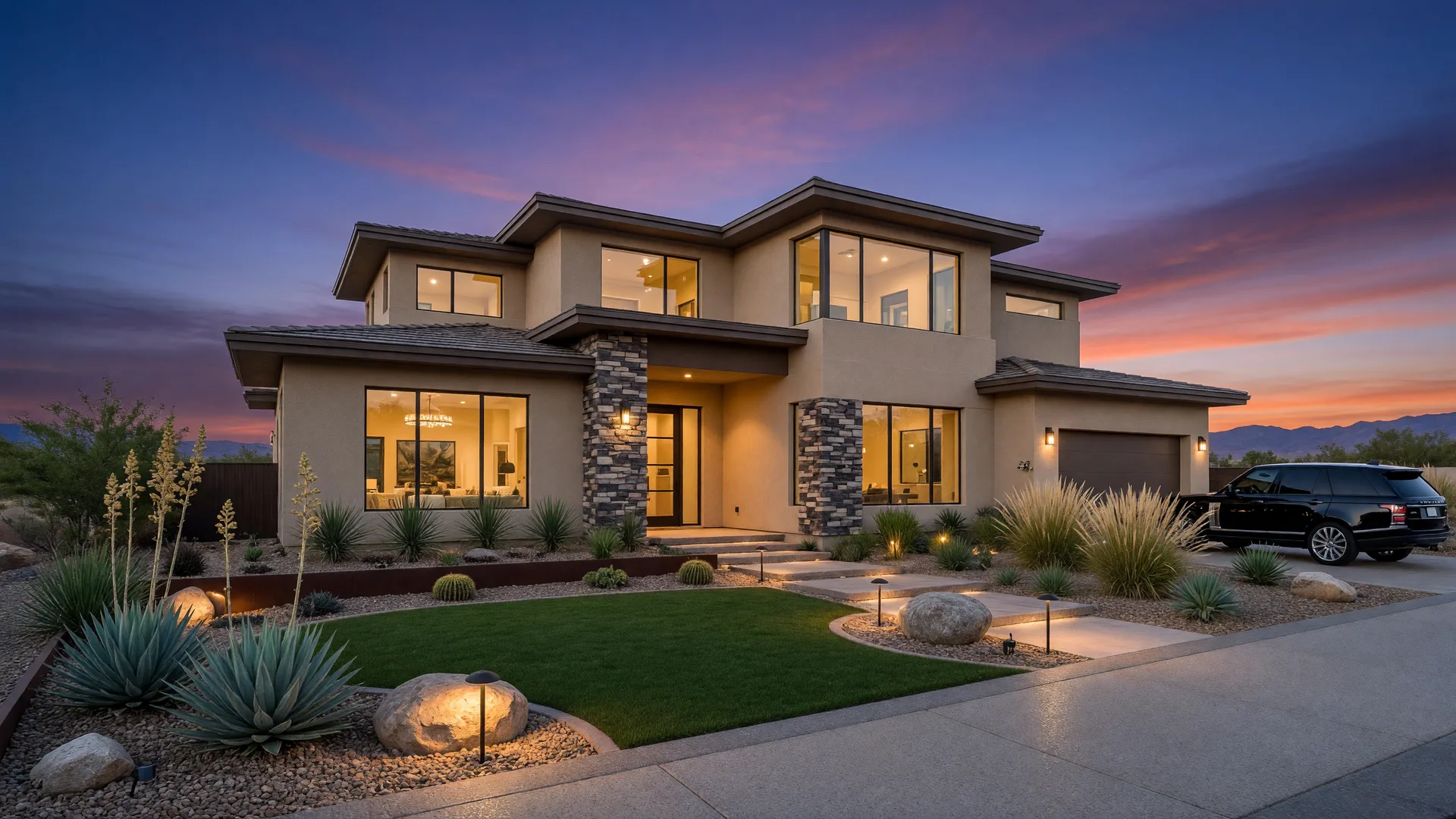
Luxury Homebuyers
Explore premium properties, communities, property evaluation, privacy considerations, and strategic negotiation.
Explore Luxury Homes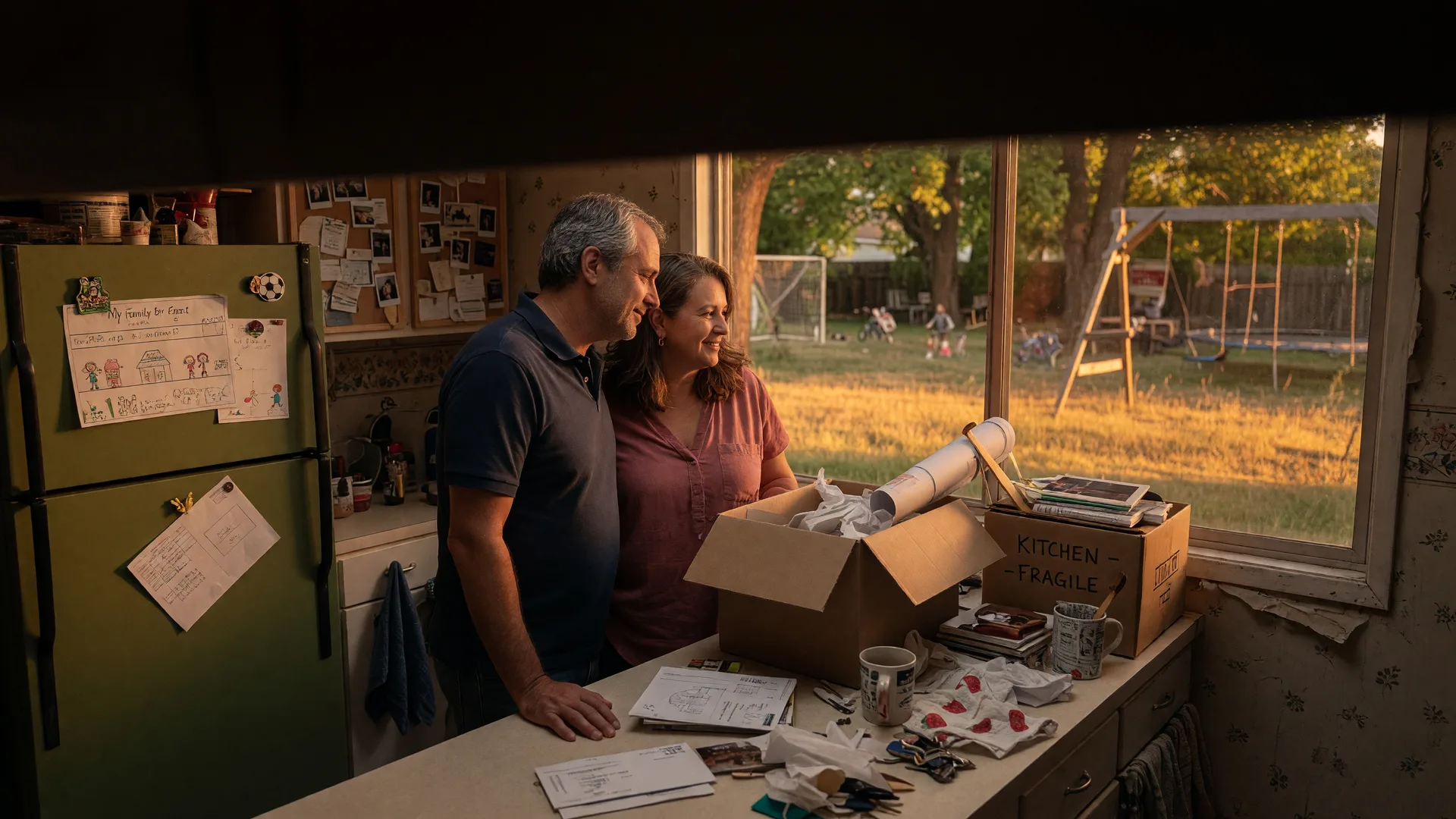
Real Estate Investors
Evaluate investment properties using purchase costs, rental assumptions, expenses, potential returns, and market conditions.
Explore Investment Properties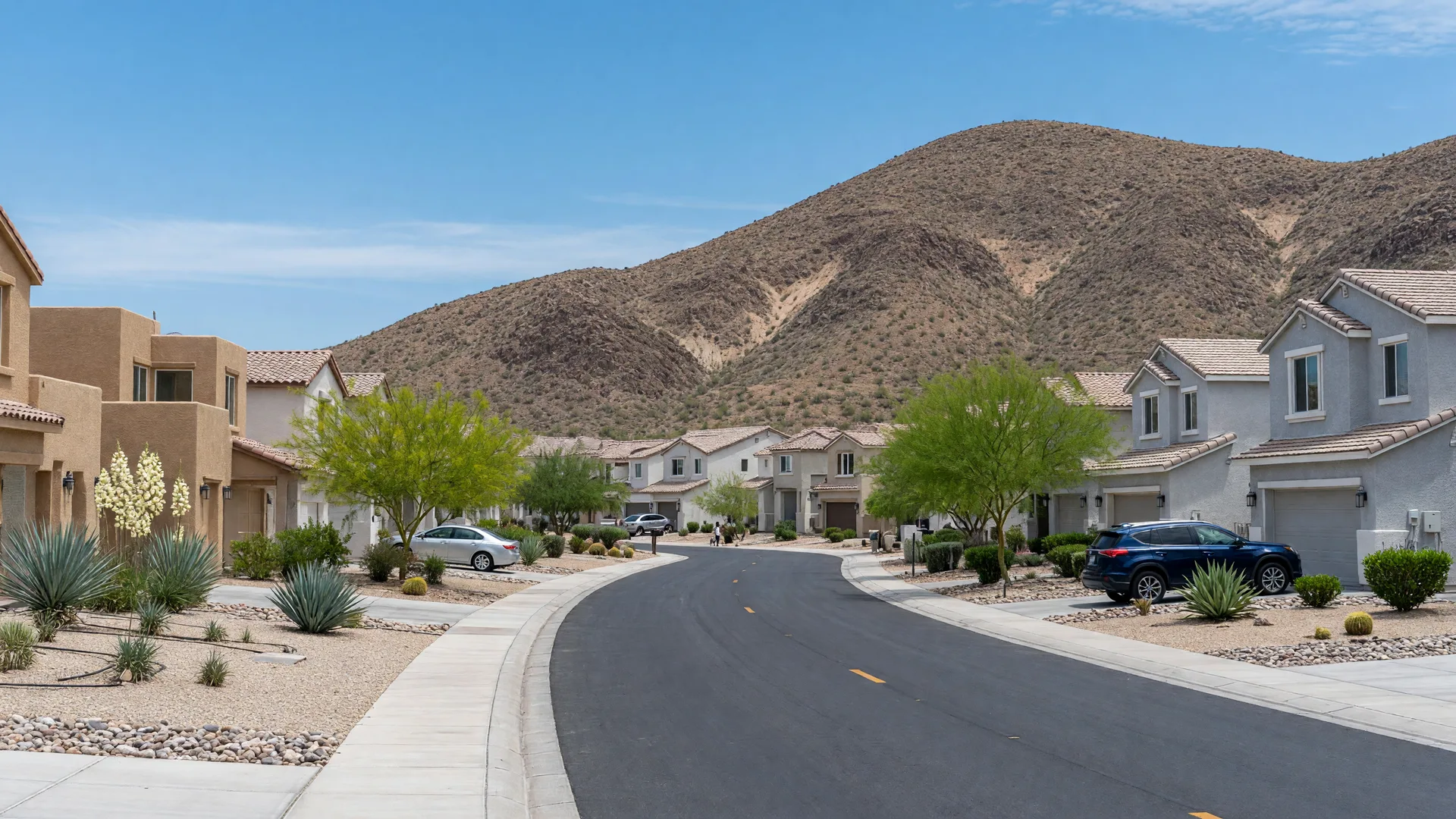
Move-Up Buyers
Turn current home equity and net proceeds into a confident next purchase, and decide sell-first versus buy-first with real numbers.
Plan My Next Home Purchase
Buy Before You Sell
Coordinate buying your next home before selling the current one, with the carrying costs, timing, and trade-offs made explicit.
Compare My Move OptionsThe Lockhart Method for Buyers
A Smarter Way to Buy a Home.
The Lockhart Method™ brings structure, preparation, market intelligence, and strategic negotiation to the homebuying process. Instead of simply searching for properties, we focus on making the right decisions before, during, and after the purchase.
01
Diagnose
Understand your financial readiness, timeline, priorities, preferred communities, and long-term ownership goals.
02
Reposition
Strengthen your purchasing position through financing preparation, market education, and a focused buying strategy.
03
Activate Demand
Identify relevant opportunities through targeted searches, MLS intelligence, new listings, price changes, and available market opportunities.
04
Control the Experience
Coordinate property evaluation, showings, communication, due diligence, transaction milestones, and closing preparation.
05
Negotiate & Close
Evaluate price, concessions, contingencies, property condition, financing implications, and contract terms to pursue the strongest practical outcome.
Know What You Can Afford
Understand Your Buying Power Before You Start Shopping.
The purchase price is only one part of the equation. Your monthly payment, financing, taxes, insurance, HOA assessments, closing costs, and available cash all influence what you can comfortably afford.

Buying With Existing Home Equity
For homeowners: your equity can become your next down payment.
If you own a home and are buying again, your buying power starts with the equity in the home you already have: what it is worth, what you owe, what selling costs, and what the sale actually frees up. Working that chain before you shop prevents the most common move-up mistake, which is counting equity that the sale has not produced yet.
The nine steps in this section apply whether you plan to sell first, buy first, or keep the current home as a rental. Each one feeds the next, and together they tell you what the next purchase can realistically look like.
How much house can I afford? Ask SteveEstimated home value
Start with a defensible estimate of what your current home is worth today, not the price you paid or the number a portal suggests.
Mortgage payoff
Your current payoff amount comes from your lender and includes principal plus accrued interest and any fees.
Potential selling expenses
Commissions, title and escrow charges, and any negotiated concessions reduce what you walk away with.
Estimated net proceeds
Value minus payoff minus selling expenses equals the cash your sale frees up, before taxes at closing.
Available equity
Your usable equity is what can fund the next down payment, after the sale clears and obligations are settled.
Down payment allocation
Decide how much of the proceeds becomes the next down payment and how much stays liquid for reserves and moving costs.
Existing loan obligations
If you keep the current home as a rental or carry it during a transition, the existing mortgage stays a monthly obligation.
Carrying costs
Owning two homes at once means two mortgages, two sets of taxes and insurance, and double utilities until one closes.
Coordinated transaction timing
The sell date, buy date, closing dates, and contingency language must line up so equity arrives when the next down payment is due.
The equity toolkit
Turn these steps into a plan
Search Las Vegas Homes
Explore Homes That Match Your Goals.
Search available homes throughout the Las Vegas Valley, explore communities, and identify properties worth a closer look.
Live listings from the local MLS, presented through the site's existing home search. Listings change daily, so saved results and listing alerts are worth setting up when you find homes you want to watch.
Find the Right Community
The Right Home Starts With the Right Location.
Explore the communities that make up the Las Vegas Valley. Compare housing options, neighborhood characteristics, amenities, and the considerations that matter most to your lifestyle and budget.
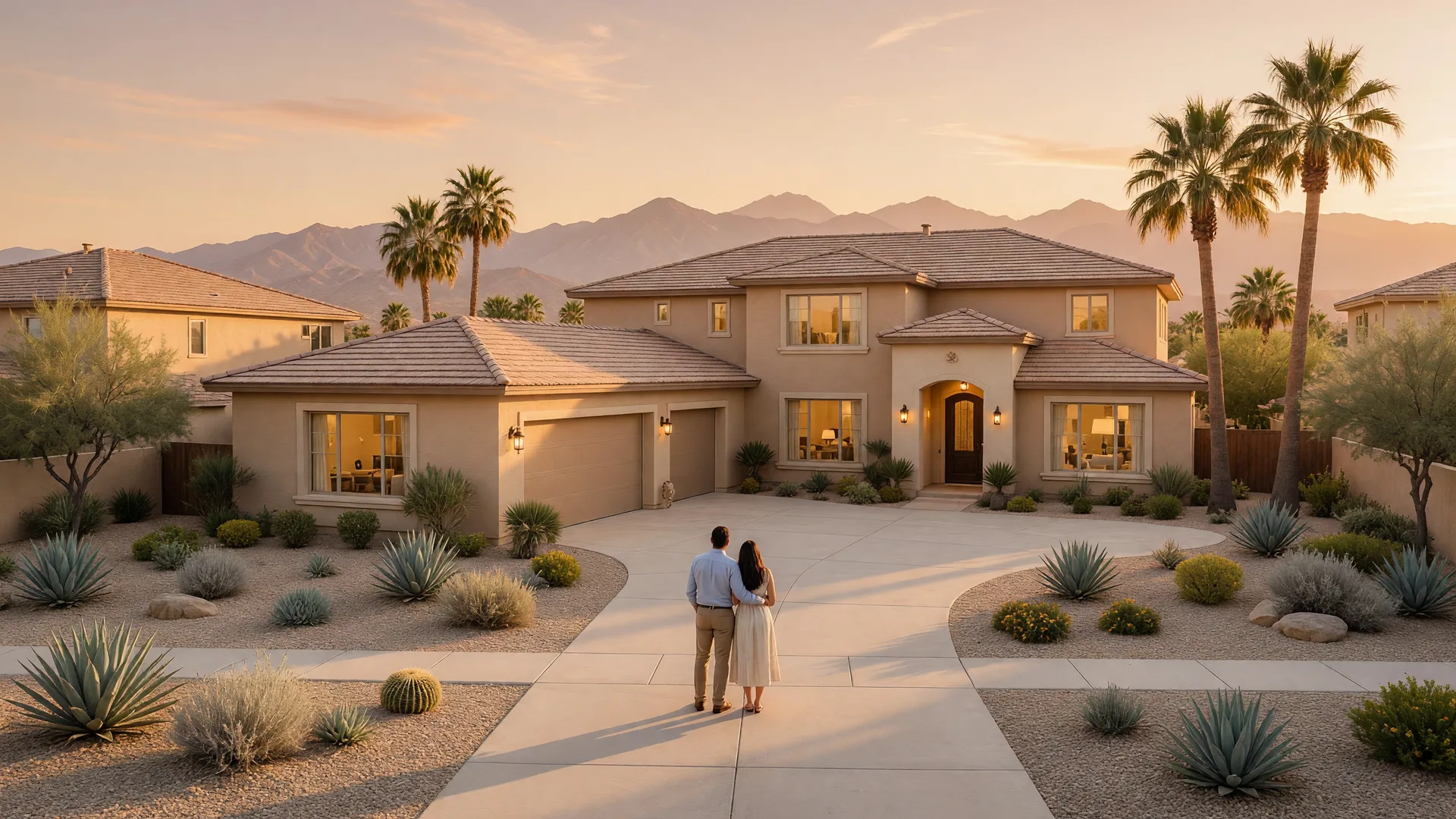
Summerlin
Trails, views, and a master-planned rhythm against Red Rock and the Spring Mountains.
Explore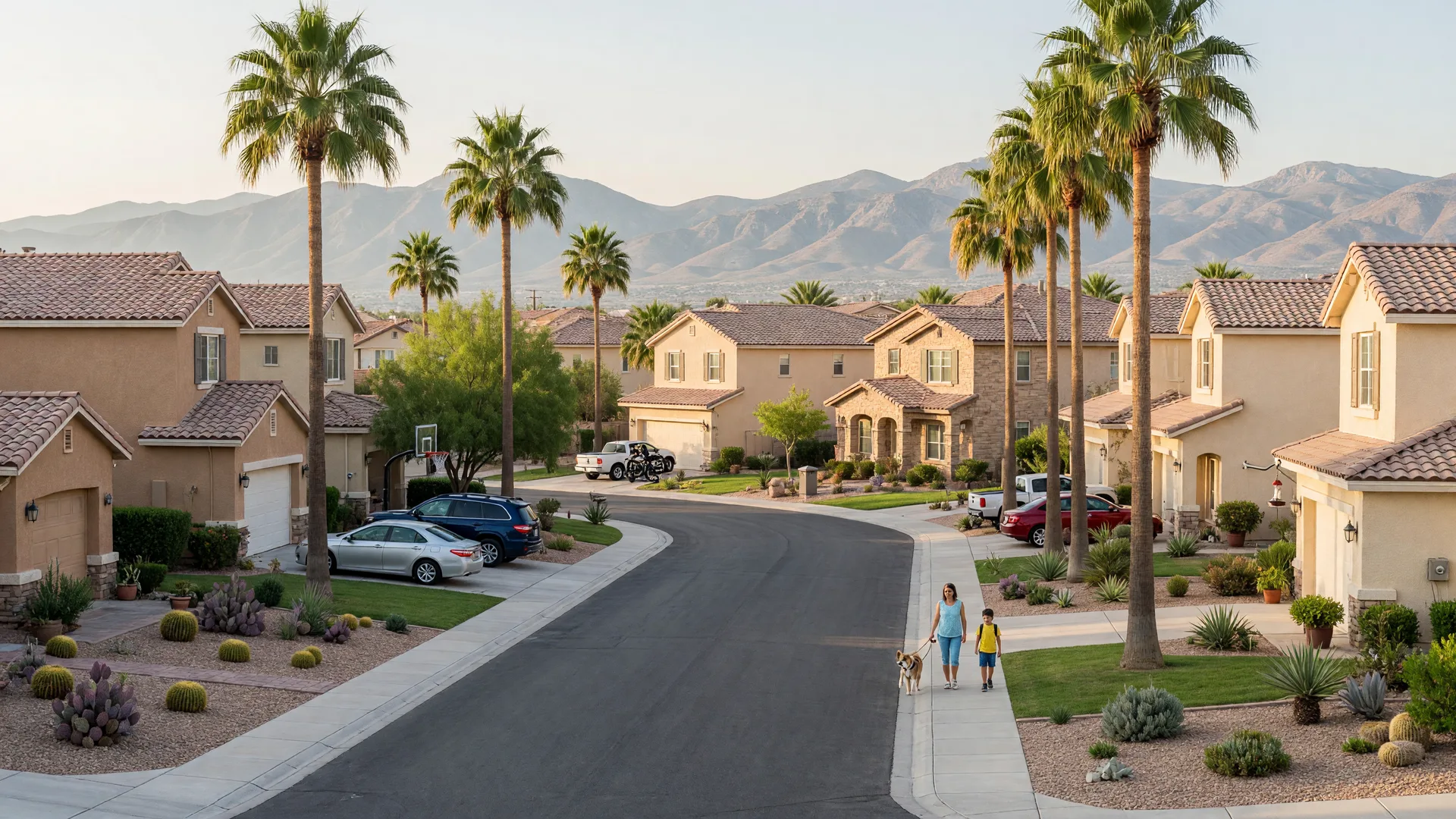
Henderson
Mature suburbs, respected schools, and a settled community feel people stay in for decades.
Explore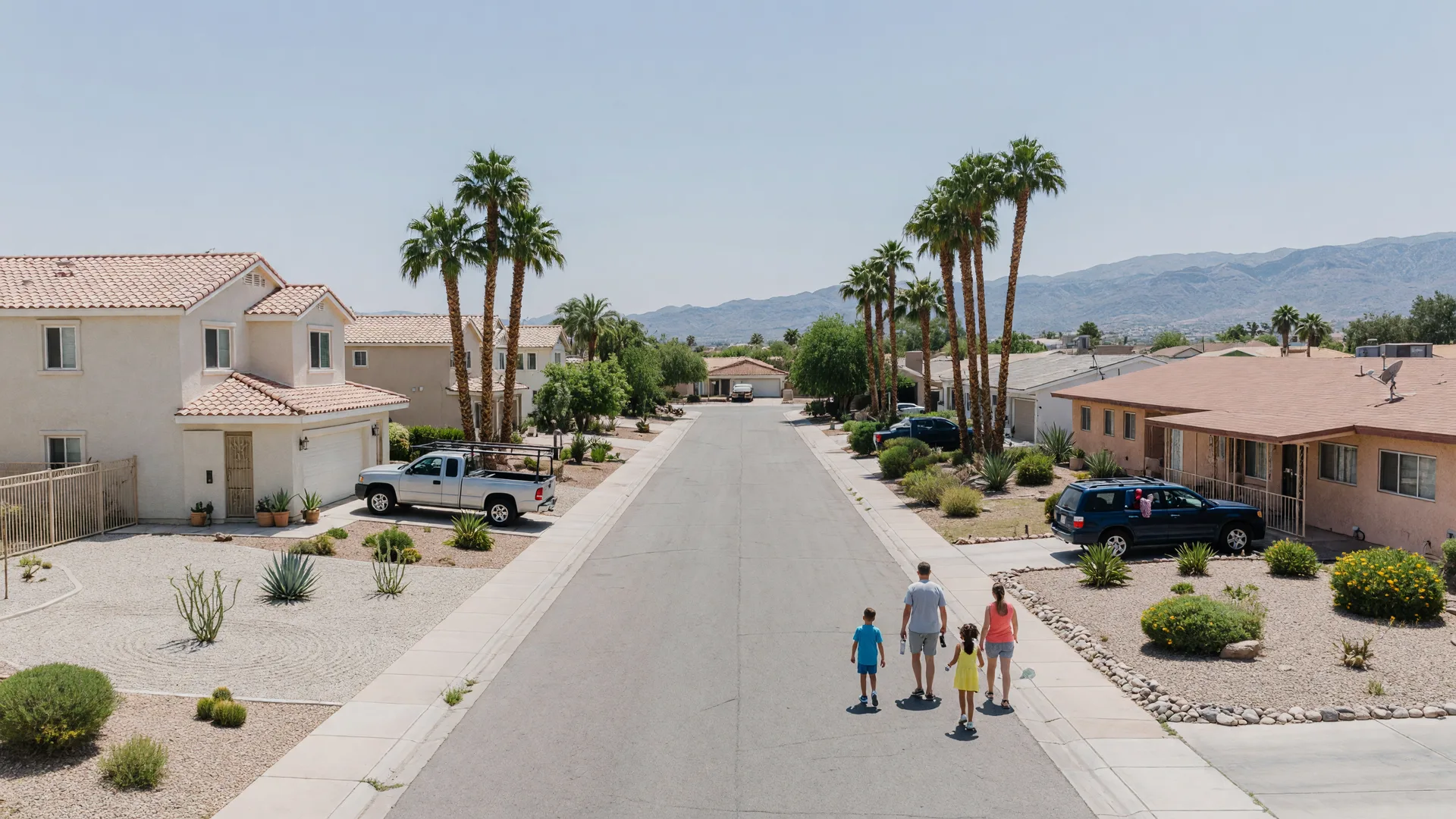
North Las Vegas
Newer homes, mountain light, and room to breathe near the Nellis Air Force Base corridor.
Explore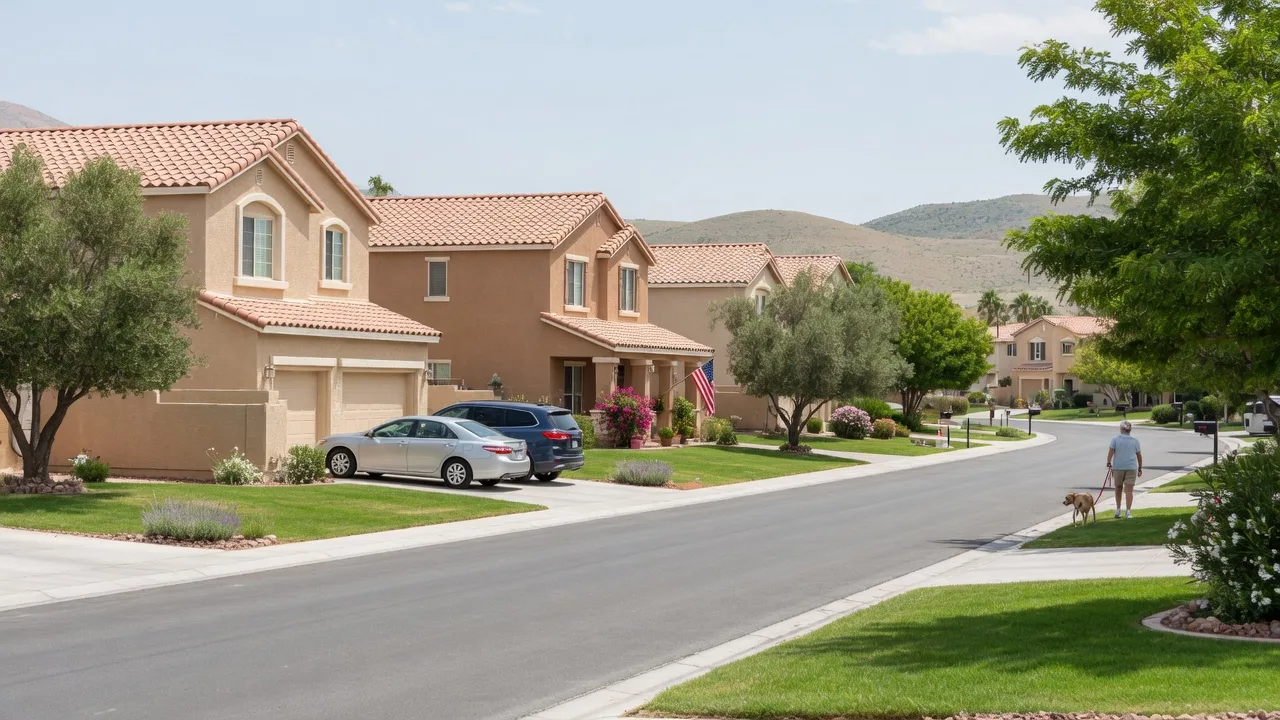
Green Valley
Henderson's established east-side favorite, prized for mature trees, quiet streets, and amenities.
Explore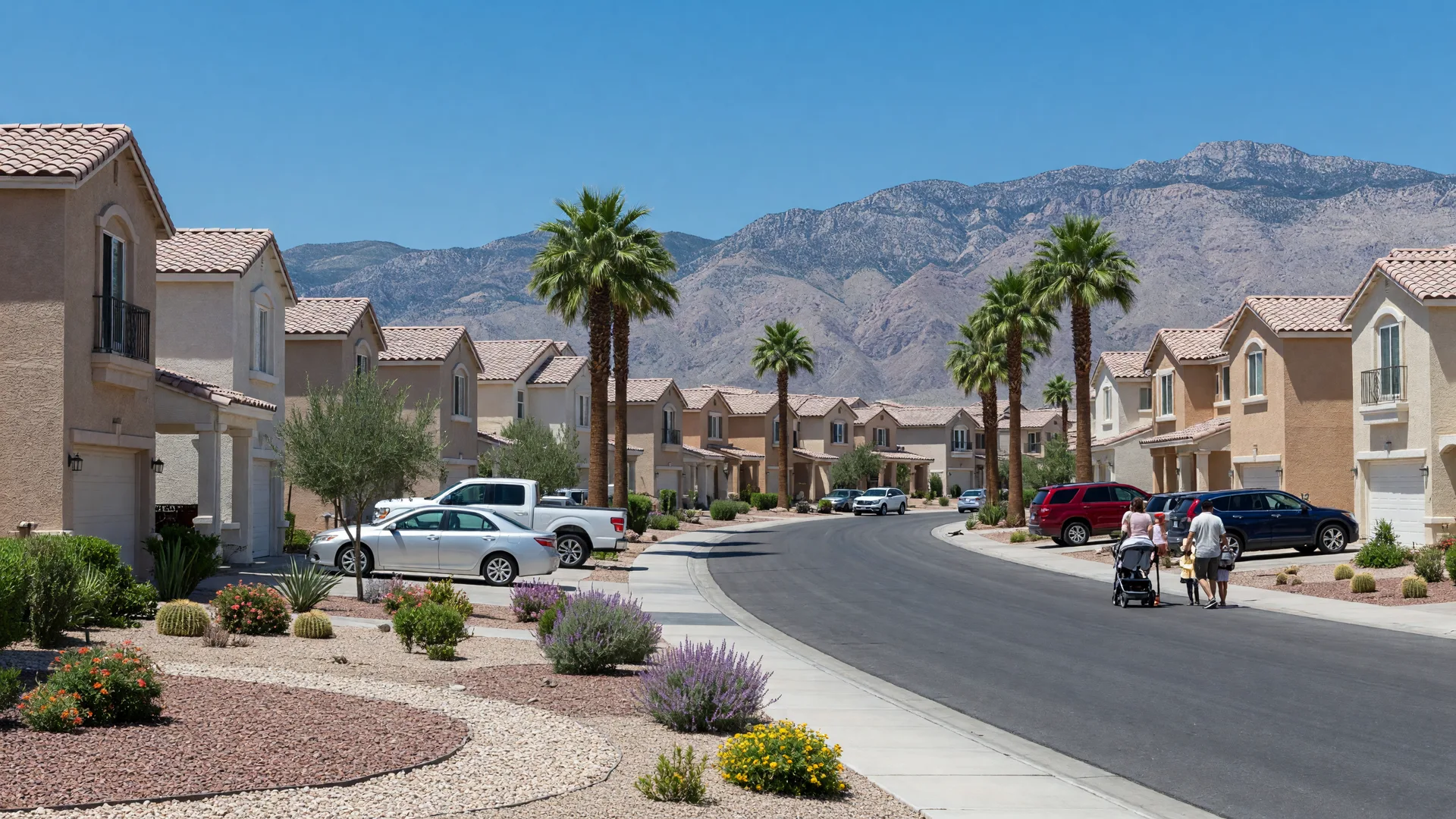
Centennial Hills
Northwest living with desert views and newer communities at the foot of the Spring Mountains.
Explore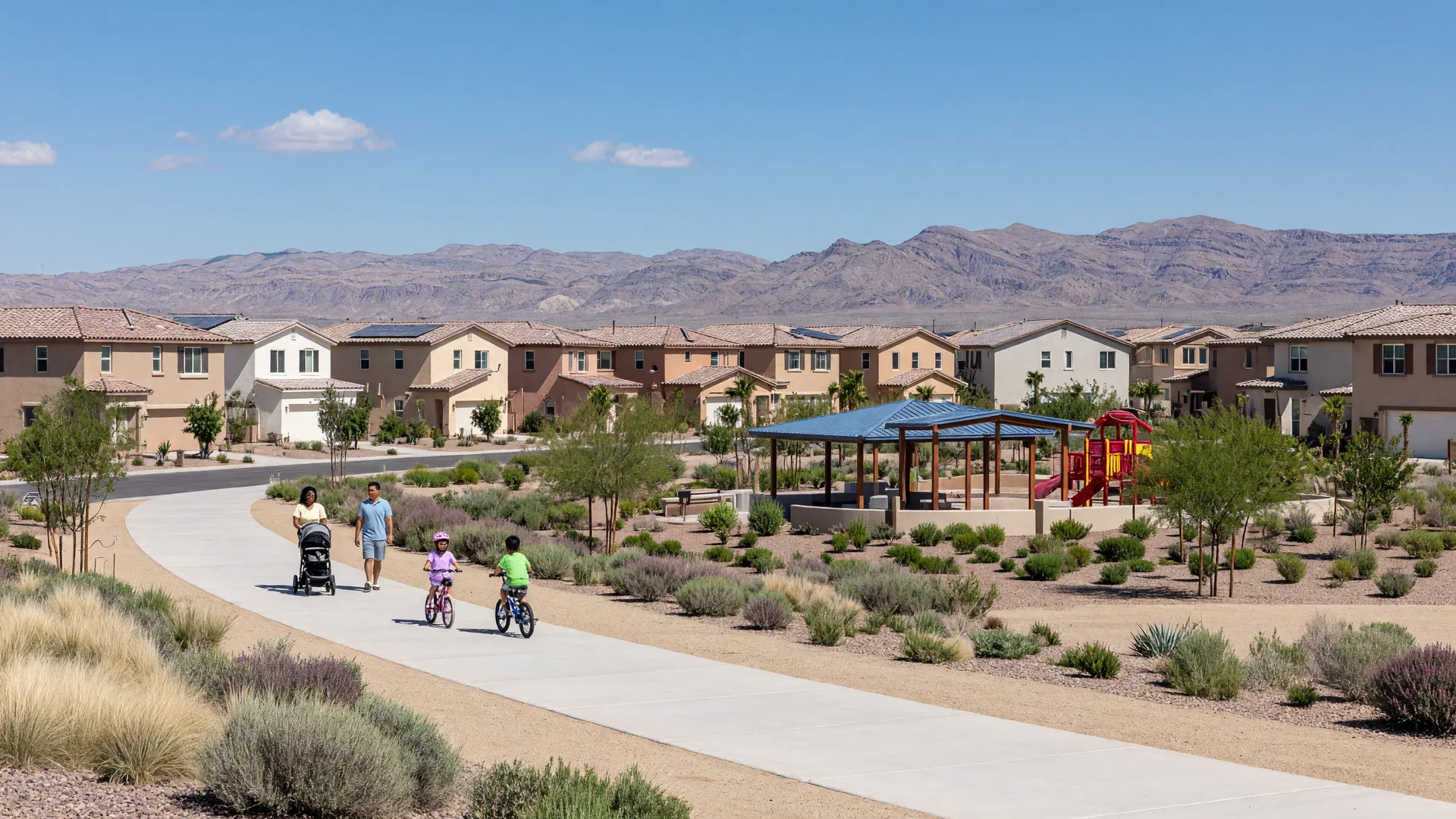
Enterprise
A fast-growing southwest township ringed by gated communities, family master plans, and the 215 Beltway.
Explore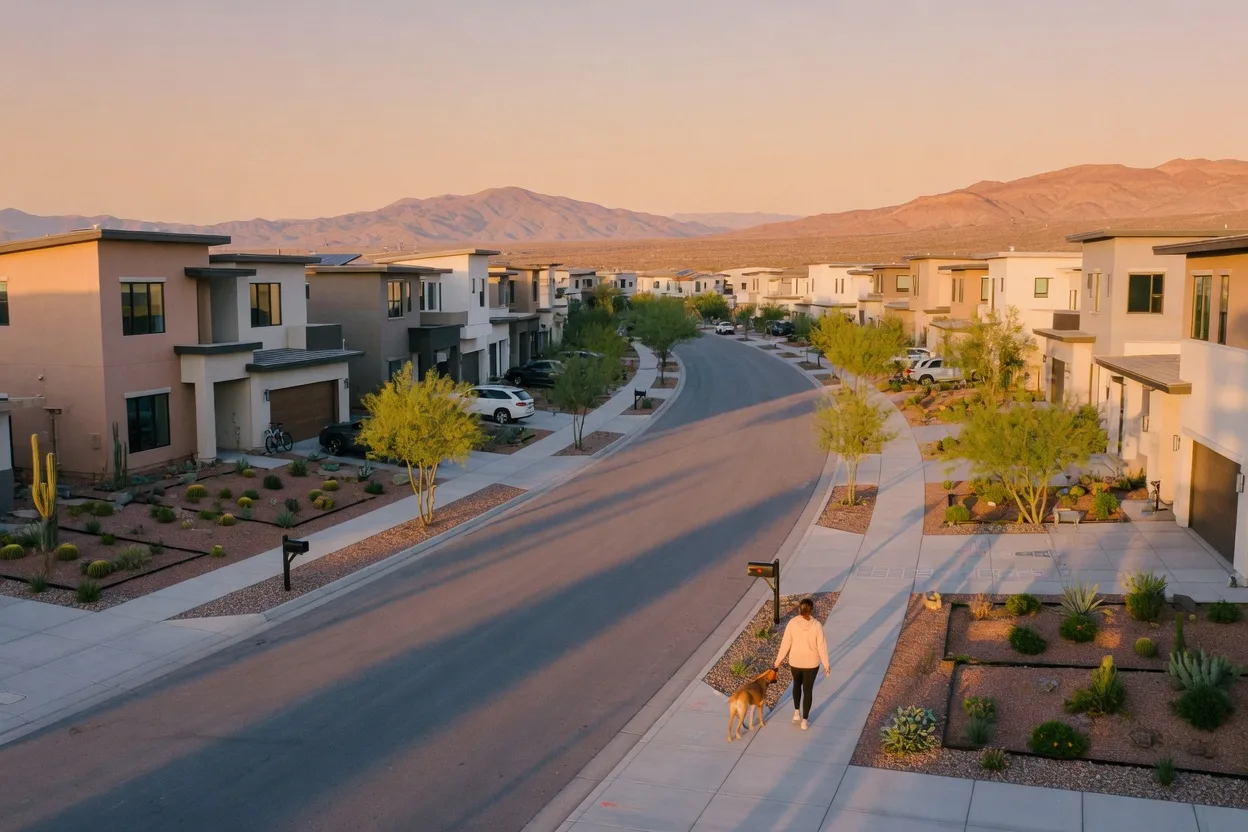
Inspirada
A newer, walkable community built around parks and shared places in south Henderson.
Explore
Skye Canyon
A newer master-planned community in the far northwest built around trails, parks, and family time.
ExploreComplete Las Vegas Homebuyer's Guide
From Your First Question to Your Closing Day.
Buying a home involves important financial, legal, and practical decisions. Our complete guide explains the process, the questions to ask, and what to expect at each stage.
- 01
Prepare
Define goals, timing, budget, and priorities.
- 02
Finance
Understand lending options, pre-approval, and purchasing costs.
- 03
Search
Explore available properties and suitable communities.
- 04
Tour
Evaluate property condition, layout, location, and suitability.
- 05
Evaluate
Review comparable sales, market conditions, ownership costs, and potential risks.
- 06
Offer
Develop an informed offer and understand contractual commitments.
- 07
Due Diligence
Navigate inspections, appraisal, financing, title, and applicable deadlines.
- 08
Close
Prepare for final walkthrough, settlement, recording, and possession.
Eight stages, from preparation through closing and move-in, written for Las Vegas buyers.
Before You Make an Offer
Finding the Home Is Only Half the Job.
The asking price does not tell the entire story. Before making an offer, understand what comparable properties have sold for, how the home compares with current competition, and how price and contract terms may affect your outcome.
Comparable Sales
What similar homes have actually sold for, adjusted for condition, updates, view, and lot.
Current Competition
How this home compares with the other active listings buyers are weighing.
Days on Market
How long the home has been listed, and what the pace signals about pricing and interest.
Price History
The listing price path and any changes, which often reveal seller expectations.
Property Condition
The physical state of the home and the repairs or upgrades it may need.
Estimated Ownership Costs
Property taxes, insurance, HOA dues, utilities, and maintenance as a monthly reality.
Seller Concessions
Credits toward closing costs, repairs, or rate buydowns that can be negotiated.
Inspection and Appraisal Considerations
What the inspection and the lender's appraisal may find, and how to plan for both.
Contract Terms and Contingencies
Deadlines, deposits, and conditions that protect you, and the risks each one carries.

The standard for your decision
The goal is not simply to win the house. It is to make a purchase decision you can defend with sound information.
Each of the nine factors above gets examined with real numbers before we discuss price, so the offer reflects the market, the property, and your interests, not just the asking price.
Discuss My Buying Strategy
Your Home | My Strategy | Proven Results
Meet Your Real Estate Strategist
Guidance Built Around Your Interests.
Steve Lockhart combines extensive executive management experience, Las Vegas real estate knowledge, and a structured advisory approach to help buyers navigate consequential property decisions.
Through The Lockhart Method™, the focus is on preparation, transparency, communication, and informed negotiation.
Meet Steve LockhartNevada License S.0194053 · First Mutual Realty Group
Buyer Questions
Questions Worth Answering Before You Buy.
Straight answers to the questions Las Vegas buyers ask most. Rates, program rules, and the market change, so each answer points to a current resource when a detail needs confirming.
How much money do I need to buy a home in Las Vegas?
Plan for two buckets: the down payment and the cash to close. Most conventional buyers put 3 to 5 percent down, FHA allows 3.5 percent, and eligible VA buyers can close with no down payment at all. Closing costs add a few percent on top, and Nevada has assistance programs for buyers who qualify. Your exact figure depends on the loan type, price range, and lender, so it is worth building the estimate early.
Down payment basics in Las VegasDo I need mortgage pre-approval before touring homes?
A pre-qualification is an early estimate based on the numbers you report, while a pre-approval is the verified step where the lender reviews your documentation and credit and issues a letter for a specific amount. Sellers and listing agents ask buyers to have a pre-approval in hand, so getting pre-approved before you tour and offer puts you in the strongest position.
Pre-qualification vs. pre-approvalShould I buy a resale home or new construction?
Neither is automatically better. Resale pricing is built from comparable sales and is negotiable, while a new build is a retail price sheet with incentives and a longer timeline. The honest answer comes from comparing your same budget both ways: total cost, condition, location, HOA, and likely value over time.
New construction vs. resaleWhat are the typical closing costs for a buyer in Nevada?
Buyer closing costs in Nevada usually run a few percent of the price and depend on your lender, loan type, and fees. The items include origination, an appraisal, title insurance, escrow and recording fees, prorated taxes, and prepaid insurance. A clear estimate early keeps surprises off the closing table.
Buyer closing costs in NevadaHow do HOA fees affect my monthly housing costs?
Most Las Vegas homes sit inside an HOA, and the monthly dues are a permanent part of your housing cost, alongside property taxes and insurance. Before you buy, review the dues, the rules on pets, parking, and rentals, and the association's financial health. The fee is part of your monthly budget and the rules are part of your daily life.
What to know about HOAsHow do I know whether a home is priced fairly?
Fair price comes from the sales that truly compare: similar homes in the same community, adjusted for condition, updates, view, and lot. Automated estimates like a Zestimate are a useful starting range, not a number to plan around, since real-world accuracy varies by neighborhood. Pulling the actual comparable sales shows you the market before you write an offer.
Offering without overpayingDo I need my own real estate agent when buying new construction?
Yes, and your agent should be registered at your first visit. The agent in the model home works for the builder, and builder policies usually require your agent to be registered and present at first contact for the builder to pay them. The commission is built into the price either way, so bringing representation does not cost you extra.
Agents and new constructionHow does buyer-agent compensation work?
In most Las Vegas purchases, the seller pays the buyer's agent compensation out of the sale proceeds, negotiated as part of the deal. Since the 2024 commission changes, the amount is agreed in a written buyer representation agreement, and if the seller does not pay it, the buyer is responsible under the agreement they signed. Read what you sign and confirm who pays, in writing.
Do I need an agent to buy?What happens after my offer is accepted?
Once an offer is accepted, the contract clock starts: earnest money is deposited, the inspection and appraisal are scheduled, financing is finalized, and title work proceeds against the deadlines in the contract. Nevada buyers work with licensed escrow and title companies, and the calendar is managed closely day by day.
Final walkthrough and closingWhat if I am relocating and cannot visit every property in person?
Buying from a distance works when it is organized: a video walk tour, comparable sales that prove the price, a licensed inspection, and the HOA documents. It is common for relocations and out-of-state moves. When the timing works, a live walkthrough can be arranged so you see the home before you close.
Buying a home sight unseenWhat should VA buyers know about purchasing in Las Vegas?
For eligible veterans, active duty members, and qualifying National Guard and Reserve members, the VA loan offers no down payment on most purchases and no private mortgage insurance, with a one-time funding fee that can be financed into the loan. The property must be your primary residence and pass a VA appraisal. VA is an actively used option across the Las Vegas Valley, especially around Nellis Air Force Base.
How VA loans work in Las VegasHow long does buying a home typically take?
A typical home in Las Vegas closes in about 30 to 45 days from the accepted offer, longer if the lender is busy. Cash can close in a couple of weeks, and new builds follow the builder's own timeline. What matters is that every piece, the appraisal, the inspection, the loan, and the title work, lands inside the same calendar.
Timeline from offer to closeYour next move
Your Next Home Deserves a Clear Strategy.
Whether you're ready to purchase now or still exploring your options, start with a conversation about your goals, timeline, and the decisions ahead.
Nevada License S.0194053 · First Mutual Realty Group · Member, National Association of REALTORS