A grown child's guide to recognizing the small, repeated patterns that can signal a beloved uncle needs a different kind of care, and the three conversations that keep him in charge of his own story.
The ball game is on and Uncle Jim asks who's playing, then asks again ten minutes later. Everyone laughs it off. That feeling that drops in your chest has a name now, and the kindest thing you can do is start paying attention on purpose.
The short answer
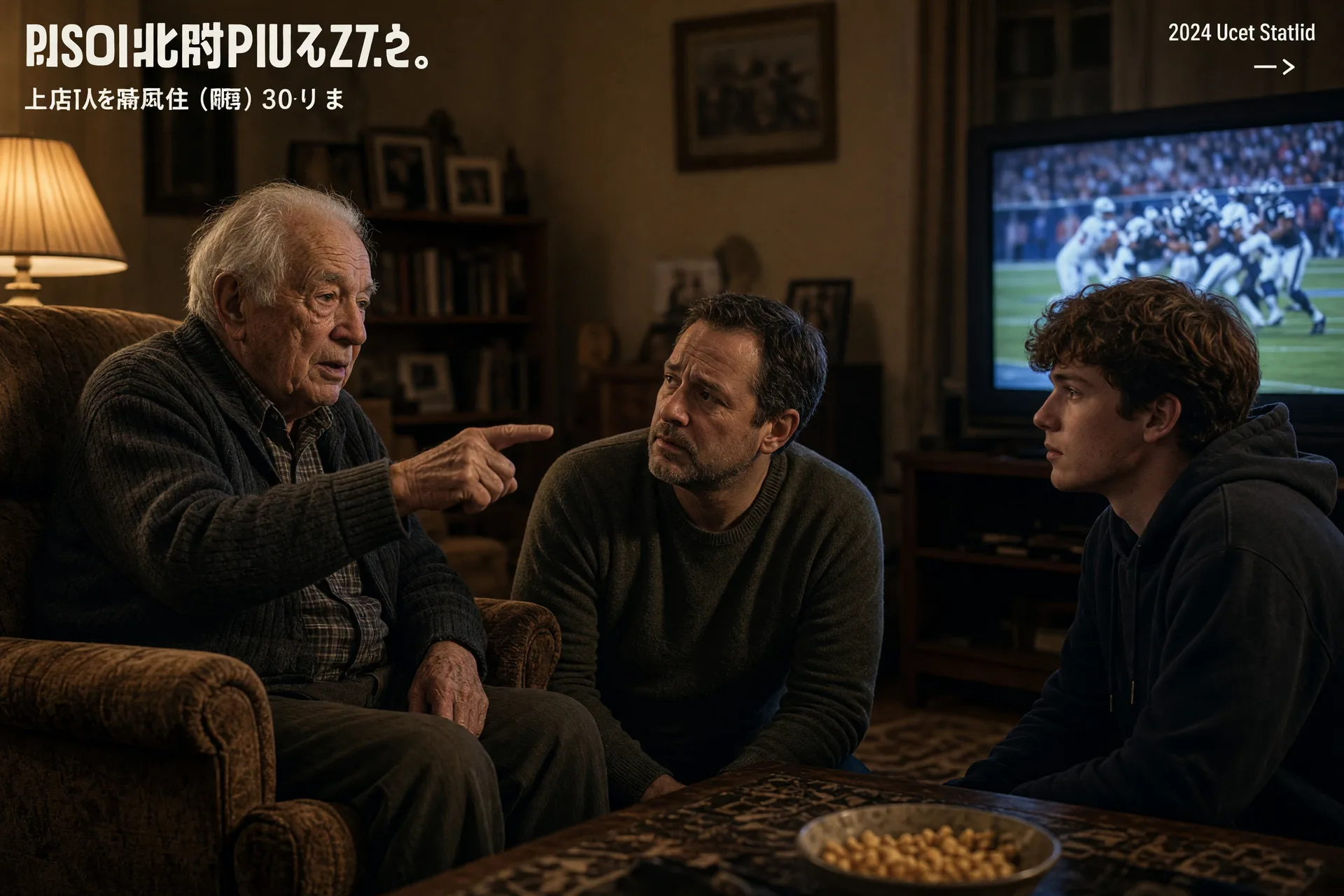
The ball game is on, and the whole family is crammed into the den with the good chips and somebody's dog asleep on the rug. Uncle Jim settles into his chair the way he always has, remote in one hand.
The ball game is on, and the whole family is crammed into the den with the good chips and somebody's dog asleep on the rug. Uncle Jim settles into his chair the way he always has, remote in one hand. He leans over and asks who is playing. I tell him. Ten minutes later, he asks again. Everyone laughs it off, my cousin even says it is just a long season, and the moment passes like it never happened.
My smile stays put. On the outside I am part of the joke. But something in my chest drops, quiet and definite, and for the rest of the afternoon I keep catching myself watching him instead of the game. That feeling has a name now, even if nobody says it out loud. It is the moment you realize the person you are watching might need a different kind of care. Not a crisis. Not a diagnosis. Just a shift you cannot unsee, and the moment worth a second look.
Three generations, one remote, and the same question twice. It's the moment everyone laughed off, and the moment worth a second look.
The difference between forgetful and concerning
Let us be honest about what worries us and what does not. Everyone forgets things, at every age, after a long week or a bad night of sleep, and a single repeated question is not a reason for panic and not something to bury either. The honest difference comes down to patterns, not moments. Does he misplace the remote once, or does he ask the same thing twice in the same ten minutes week after week? Can he retrace his steps and laugh it off, or does the confusion seem to arrive and then stay? Is this new, or is it the same gentle quirk he has had since I was a kid?
The point is not to armchair-diagnose anyone. I am not a doctor, and you are not a doctor, and the person we love deserves better than our amateur guesses. The point is to watch with love and take honest notes, because patterns are what a real professional can actually use. Watching with love is not the same as waiting in fear. It is the calm, patient work of paying attention with intention, so that when a conversation becomes necessary, you arrive with clarity instead of dread.
The three conversations
I used to think there was one big conversation we all dreaded on the horizon. What I have learned, the hard way, is that it is really three smaller conversations, spread out and done gently, each one opened long before it becomes urgent. Starting early is the kindness, not the delay.
The first is the observation conversation, and it is just us. The family, agreeing on what we are seeing and what we are not sure about yet. No verdicts, no interventions, nothing scheduled behind anyone's back. One person takes a running list of the small things, the repeated question, the missed step, the way he struggles to find a word he has always had. The list is not a case against him. It is a set of facts we can hand to a professional if and when the time comes.
The second is the dignity conversation, and it starts with the last thing we usually want to do: asking him what he wants, then listening before we plan. Does he feel safe at home? What is getting harder that he is too proud to mention? Does he want help with the yard, the pill bottles, the pile of mail on the counter? The goal is not to decide for him. It is to learn what he treasures, and to make him a partner in his own future instead of a problem to be solved.
The third is the future conversation, the one about the house, the finances, the durable power of attorney, and the long view someone has to own. This is the one families put off longest and regret the most. Started early while he can still lead, it protects him and it protects everyone else. It is not about taking anything away from him. It is about making sure the choices are made by him, on purpose, while he still has a full say.

What we can do now that actually helps
None of this is medical advice, because none of it needs to be. There is a full month of practical, gentle steps a family can take right now, and nearly all of them cost nothing more than attention. Write things down, whiteboards by the door, a shared list on the fridge, a single notebook that lives in one drawer. Routines are quiet scaffolding for a busy mind, so protect his routine, the walk, the coffee, the show he never misses. And designate one person, just one, to be the family note-taker, so observations stay in one place and nobody argues over who remembers what.
Plan a normal visit to his doctor, framed the way any of us would frame a check-in, not an inquisition. Describe the patterns you have seen, gently and factually, and let a professional weigh in on what deserves attention and what does not. Above all, protect his independence while it is still his to protect. A man who is asked to participate in his own care, who still chooses the pace and the place, will tell you more than the man you cornered with a list of worries.
Why the plan for the house matters even more here
Of all the conversations, the one about the house is where love and reality finally meet. It is the hardest one and the most necessary, because the house is not four walls to Uncle Jim, it is fifty years of Saturdays in one place. That is exactly why it deserves to be started early, on his terms, when he can still shape the story. The goal is not to move him. The goal is to make sure that if a move ever happens, it is something he chose instead of something that happened to him.
This is where The Lockhart Method comes in, and I use it the same way I use it with every client: decision-first, with the client as the hero. We lay out the real options, selling, renting, renovating, staying with help, rightsizing to a 55-plus community, each with its honest tradeoffs and its real numbers. We do not push a transaction. We help a family look at their situation in plain language and decide what actually serves the person they love. When care needs change, the house should be a source of strength and of options, not a source of guilt and panic.

When you're ready, let's just talk
If you are sitting where I sat that afternoon, watching a man you love repeat a question and feeling the floor shift underneath you, you do not have to have it figured out, and you do not have to do it alone. Book a calm conversation with me and we will look at your options together, no pressure and no pitch, at a pace that fits your family.
The rest of this site is built to help. Start with the senior home transition hub, keep reading on the senior transitions landing, and ask a specific question through Ask Steve. If sizing down is part of the road, the 55-plus living page and the seller decision room walk the whole journey in plain language. Get a home value estimate when you want a number, meet the trusted agents who help families across the valley, and keep going with the seller guide.
And if you have not read it yet, the place to start is the first story in this series, the one about a daughter who noticed her mom was not the same after Thanksgiving. You are not alone in this. You are just early, and early is the best time to start.
Get practical Las Vegas guidance in your inbox
No sales pressure, no fluff. Practical, no-hype guidance for buying, selling, and the big transitions, built from the questions that actually keep families up at night.
Subscribe with SteveFrequently Asked Questions
Is it time to worry if an older relative repeats the same question?
A single repeated question is not a reason for alarm, and it is not something to bury either. Watch for patterns instead of moments, whether he retraces his steps and laughs it off or the confusion seems to arrive and stay, and write down what you actually see. Patterns are what a real professional can use, so watch with love and take honest notes, and let a doctor weigh in on what deserves attention.
When should the family act instead of wait?
Act when safety is the issue, such as a fall, a missed medication, a stove left on, confusion about bills, or a care professional saying the situation is no longer safe. Outside a crisis, act when the pattern of small signs is unmistakable, because starting early is what keeps the decisions on the family's timeline and on his.
How do I start a conversation about the house without making anyone feel cornered?
Start early, one on one, on his terms, and ask what he wants and what is getting harder before you plan anything. Lay out the real options, selling, renting, renovating, staying with help, or rightsizing to a 55-plus community, with honest tradeoffs, so that if a move ever happens it is something he chose instead of something that happened to him. That is the decision-first approach at the heart of The Lockhart Method.
What can Steve Lockhart do to help in this kind of situation?
I am a Las Vegas Realtor and real estate strategist with First Mutual Realty Group, Nevada license S.0194053. I handle the property side of a senior transition, the home value and equity, the decision to sell, rent, renovate, or hold, preparing the house, and coordinating with the legal, financial, and care professionals the family needs. I do not provide medical or legal advice, and I will always point you to the right professionals for those decisions.
This article is general information only and not medical, legal, or financial advice; Steve's expertise is real estate strategy, so please consult his doctor, an elder law attorney, a geriatric care manager, and senior-care professionals for medical, legal, and care decisions.
Related Articles
More on Life Transitions
 Life Transitions
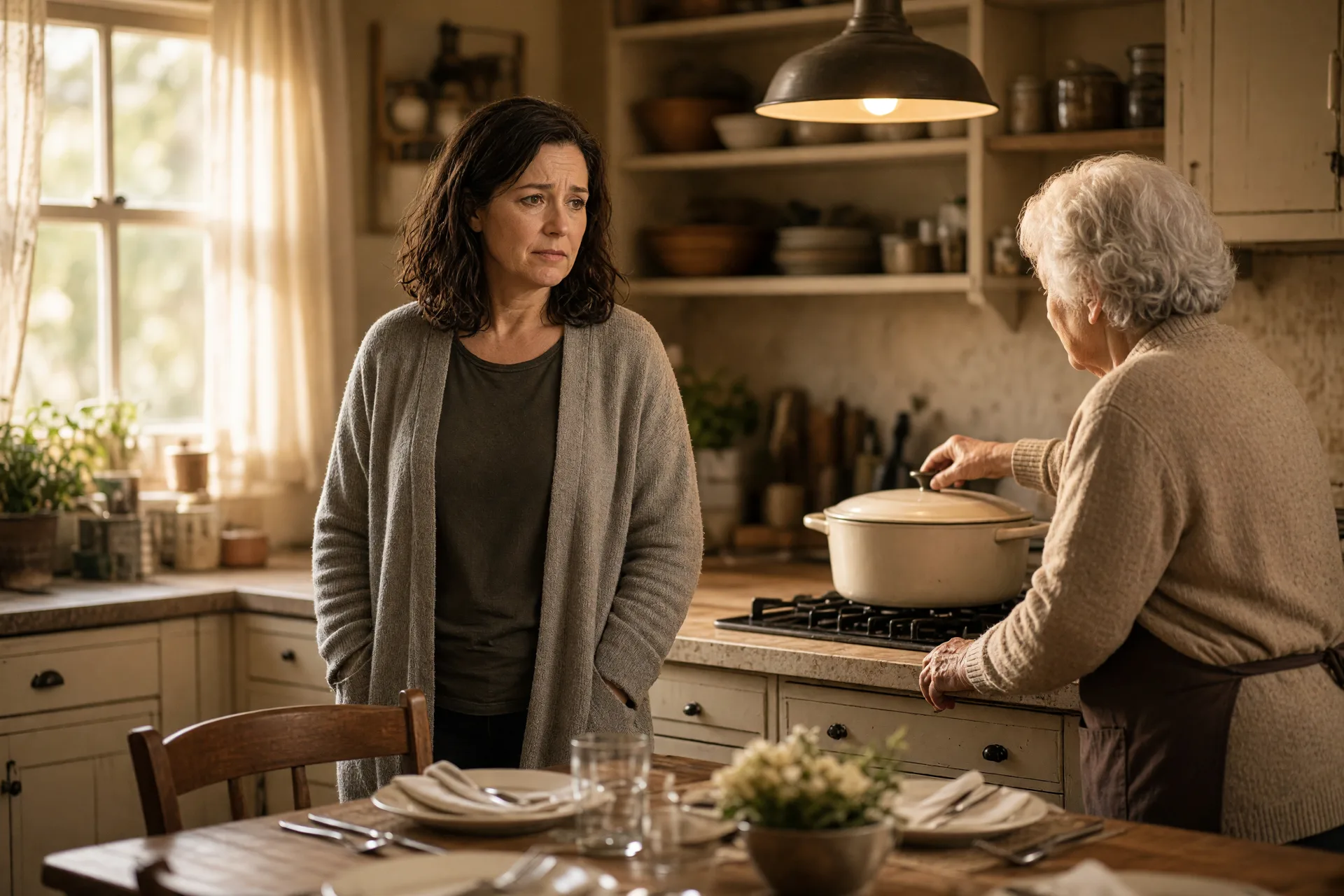
Mom Doesn't Look the Same After Thanksgiving. Now What?
A grown child's guide to starting the senior transition conversation, and the real options that keep Mom in control.
 Life Transitions
Downsizing in Las Vegas: A Decision-First Guide for Seniors and Families
Moving to a smaller home or a 55+ community is a major life decision. Here is a decision-first guide to downsizing in Las Vegas, with the emotional and financial questions handled together.
 Life Transitions
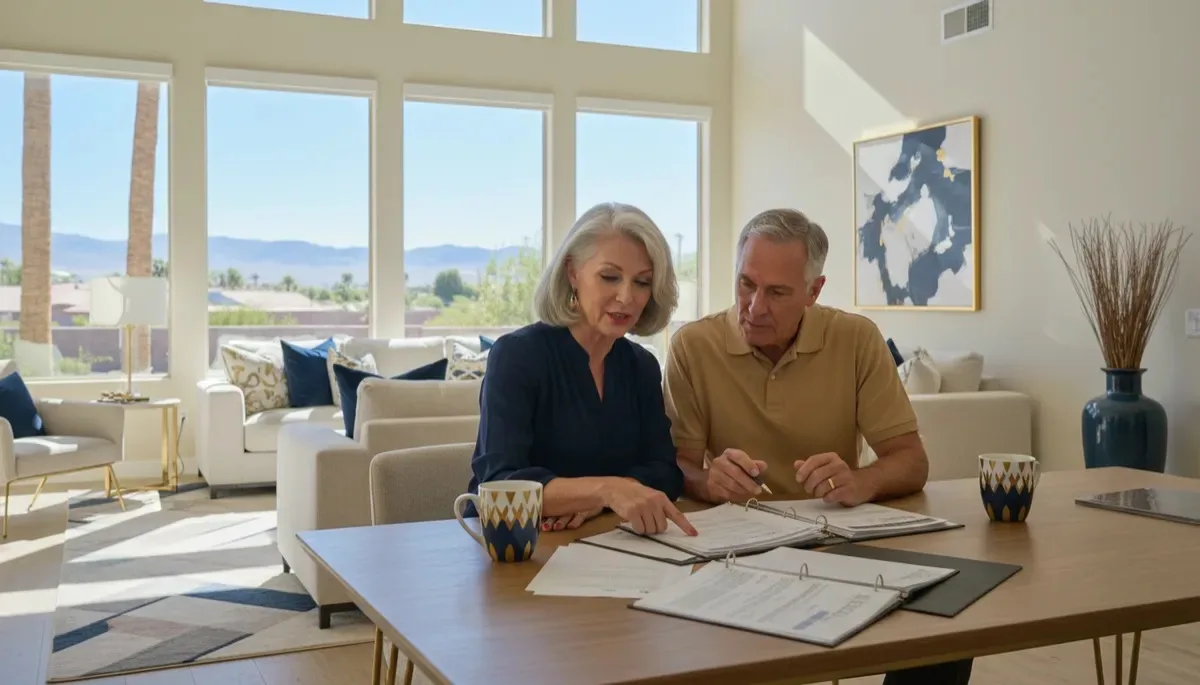
Your Las Vegas Downsizing Roadmap: What to Know Before You Make the Move
Five check-in points to know when it is time to rightsize your Las Vegas home, plus the neighborhoods, condos, and 55+ communities worth considering, from Steve Lockhart.
The next step
Want this applied to your situation?
The article is the context; the consultation is the strategy. Bring your question, and we will develop a plan that works for you, in plain language, without pressure.
Schedule a Consultation#LasVegasRealEstate #LasVegasRealtor #TheLockhartMethod #ListWithATwist #RealEstateStrategy #SellYourHomeLasVegas #AICertifiedAgent