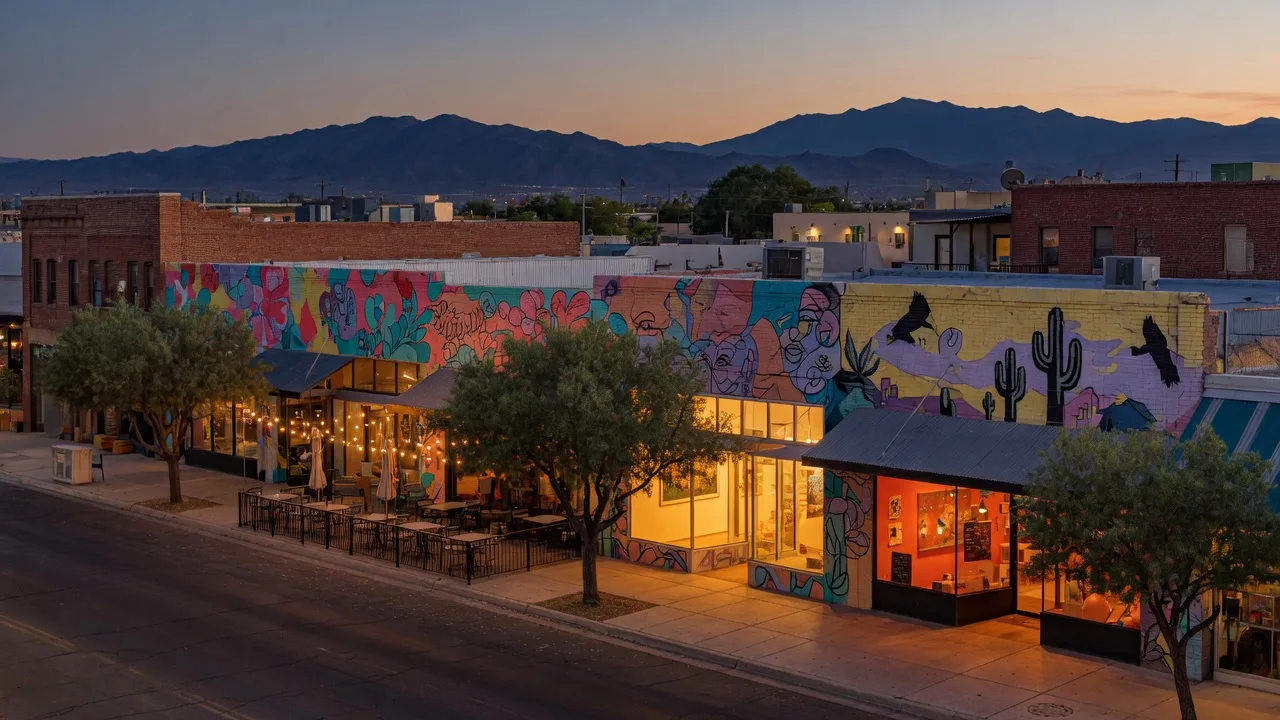
A straight answer, minus the brochure: what a normal day in the valley's most walkable, most cultural address is actually like, from the Arts District and Symphony Park to the residential mix, the commute, and who downtown is really for.
The short answer
The short answer: downtown Las Vegas is a good place to live if you want the valley's most walkable, most cultural, most changeable address: lofts and condos, an Arts District at your doorstep, and a restaurant and nightlife scene that draws people back into the city's original core.
Is downtown Las Vegas a good place to live?
The short answer: downtown Las Vegas is a good place to live if you want the valley's most walkable, most cultural, most changeable address: lofts and condos, an Arts District at your doorstep, and a restaurant and nightlife scene that draws people back into the city's original core. It is not the suburban family model, and it does not pretend to be. This article is the honest daily version of that life.
Downtown is the city's original center, distinct from the Strip, organized around Fremont Street, Fremont East, the 18b Arts District, and Symphony Park, with residential blocks layered in around them. If urban energy, walkability, and an evolving neighborhood sound like home, this is where the valley's urban life actually lives.
What downtown actually is
The 18b Arts District, an 18-block cultural district just south of downtown's core, carries much of the neighborhood character: galleries, breweries, vintage shops, cafés, and working artists' spaces, with the First Friday arts festival drawing the whole valley once a month. Fremont East adds the dining and nightlife spine, and Symphony Park, a 61-acre city district on the site of an old railyard, anchors the north end with The Smith Center for the Performing Arts, the Discovery Children's Museum, and the Cleveland Clinic Lou Ruvo Center for Brain Health, ringed by green space.
The city has invested in downtown for years, and the residential scene is part of that: new condominium towers, converted lofts, mid-rise buildings, and 1950s-era homes in the surrounding historic neighborhoods. It is the most walkable part of the valley, and the mix keeps changing as the district matures.
The residential mix: lofts, towers, and everything between
Housing downtown is distinctly urban. High-rise condominiums like The Ogden and live-work lofts like Juhl sit alongside genuine industrial conversions in the Arts District, including buildings like SoHo Lofts and Newport Lofts that were warehouses and manufacturing spaces before they were homes. Mid-rise buildings, townhomes, and historic bungalows in the surrounding districts fill out the range.
Condominium ownership brings its own math: HOA dues are part of every downtown address and vary meaningfully by building and amenities, and the building's finances matter as much as the unit. The right downtown decision is as much about the building as the neighborhood, sometimes more.
Walkability and daily life
Daily life downtown runs on foot more than anywhere else in the valley. Coffee and breakfast land at spots like Makers & Finders and Mothership Coffee in the Arts District, dinner walks to places like Esther's Kitchen on Main Street, and evenings run through the Fremont East bars, the Arts District galleries, and Symphony Park events, all within a walk.
The weekend rhythm is event-driven: First Friday, park concerts, pop-ups, and the district's steady restaurant openings. Groceries are the honest note: full-service grocers sit just outside the core, so the weekly shop is a short drive rather than a walk, which matters more than most people expect.
The commute
Downtown's location is central in a way little else in the valley matches: the Strip runs roughly 10 to 15 minutes in normal traffic, the airport about 15 to 20 minutes, and the freeways put most of the valley within a reasonable drive. Parking is the honest trade-off, with garages, surface lots, and building spaces part of the monthly math for most residents.
Sunrise Hospital and University Medical Center anchor a nearby medical corridor, and the valley's employment centers are reachable from the central location. For people who want to live where things happen, the commute is a fair trade.
The price picture, stated plainly
Prices vary widely by product: affordable historic lofts, mid-range studio and one-bedroom condos, and premium high-rise residences all share the same few square miles. Building, floor, views, and amenities drive the number more than any neighborhood average, so the honest approach is comparables on the specific building and unit type.
Entry points exist for the city's urbanists, but the monthly picture includes HOA dues and parking, which move the real cost well past the purchase price. Run the full monthly math for the building before you fall for the unit.
Who downtown is for, and who it is not
Downtown fits urbanists, creatives, young professionals, empty nesters who want city energy, and investors who believe in the core's long growth story. It is not the family suburban model: yards, quiet cul-de-sacs, and the typical school-run rhythm are not the product, and most families choose elsewhere. That clarity is a feature, because it means the people who live here chose the city on purpose.
The market context and the honest check
Downtown pricing moves with the broader Las Vegas market, and conditions in Southern Nevada change month to month; the Las Vegas market update tracks the latest published figures and is worth reading before any decision rests on a headline. For the fuller picture, the Downtown Las Vegas neighborhood guide maps the district, and the Ask Steve library answers downtown versus the suburbs and the best areas for first-time buyers straight. For more of the local week, Steve's Las Vegas Living Guide rounds up neighborhoods, things to do, and local life across the valley.
Before you decide, walk the block at night and on a weekday, check the building's HOA financials, confirm the parking arrangement, and time your commute once. Then bring your numbers and questions to a conversation. That is what a strategy call is for, and there is no pressure attached.
The next step
Bring the downtown question to your own calendar
The honest test is your own: the building's HOA and financials, the parking math, how often you will actually walk the district, and whether the commute and the groceries work for your routine. If you want to work through those details together, that is exactly what a strategy call is for. We walk through your options in plain language, with no pressure and nothing to sign.
Schedule a Consultation