Keep, sell, or buy out the marital home in a Nevada divorce? Clear, empathetic guidance on the decision, through The Lockhart Method, with real Henderson data.
The short answer
If you are reading this, chances are you are in the middle of one of the hardest seasons a person can go through, and the family home is sitting in the middle of it. I want to be honest with you: there is no perfect answer in a divorce, but there is a clear way to think about the decision.
If you are reading this, chances are you are in the middle of one of the hardest seasons a person can go through, and the family home is sitting in the middle of it. I want to be honest with you: there is no perfect answer in a divorce, but there is a clear way to think about the decision. This article walks through whether to keep, sell, or buy out the marital home during a Nevada divorce, with the clarity of a strategy and the empathy you deserve. My role is to bring the strategy. You are the hero of this story.
Start with understanding, not decisions
The Lockhart Method begins with understanding, and that is exactly where a divorce property decision should start. Before anyone says keep it, sell it, or buy me out, you need the facts: what the home is worth, what you owe, how much equity is really there, and what keeping it would cost you month after month on your own. Feelings are valid, and they are not a valuation method. When we pull the numbers out of the emotion, the options become clearer.
Your three real options
For most couples, the marital home comes down to three roads. Keeping the home together as a shared investment is rare and usually complicated, so in practice the decision is keep, sell, or buy out.
- Keep the home: one spouse stays and the other releases their claim to the equity, usually as part of the overall division of assets.
- Sell the home: the house goes on the market, the proceeds pay off the mortgage and closing costs, and the remaining equity is divided.
- Buy out the spouse: one spouse keeps the house and pays the other their share of the equity, often by refinancing into a loan in their own name.
Each path protects different things. Selling protects a clean financial break. Keeping protects continuity for children and a familiar roof. A buyout protects the home, but it only works if the numbers work, and the numbers are unforgiving.
The numbers matter more than the feelings
Equity is the center of every one of these options. Take the current value, subtract the mortgage balance and the costs of selling, and what remains is what is actually being divided. Too often I see someone insist on keeping the house without knowing whether they can refinance alone or cover the payment on one income. That is not a strategy, that is a hope. A real strategy starts with the appraisal, the payoff, the refinance quote, and a post-divorce budget.
If a sale is part of your future, know your number before you anchor on a price. My Las Vegas home value tool gives you a data-backed starting point, and a net proceeds review shows what you would actually divide.
What a well-priced Henderson home shows
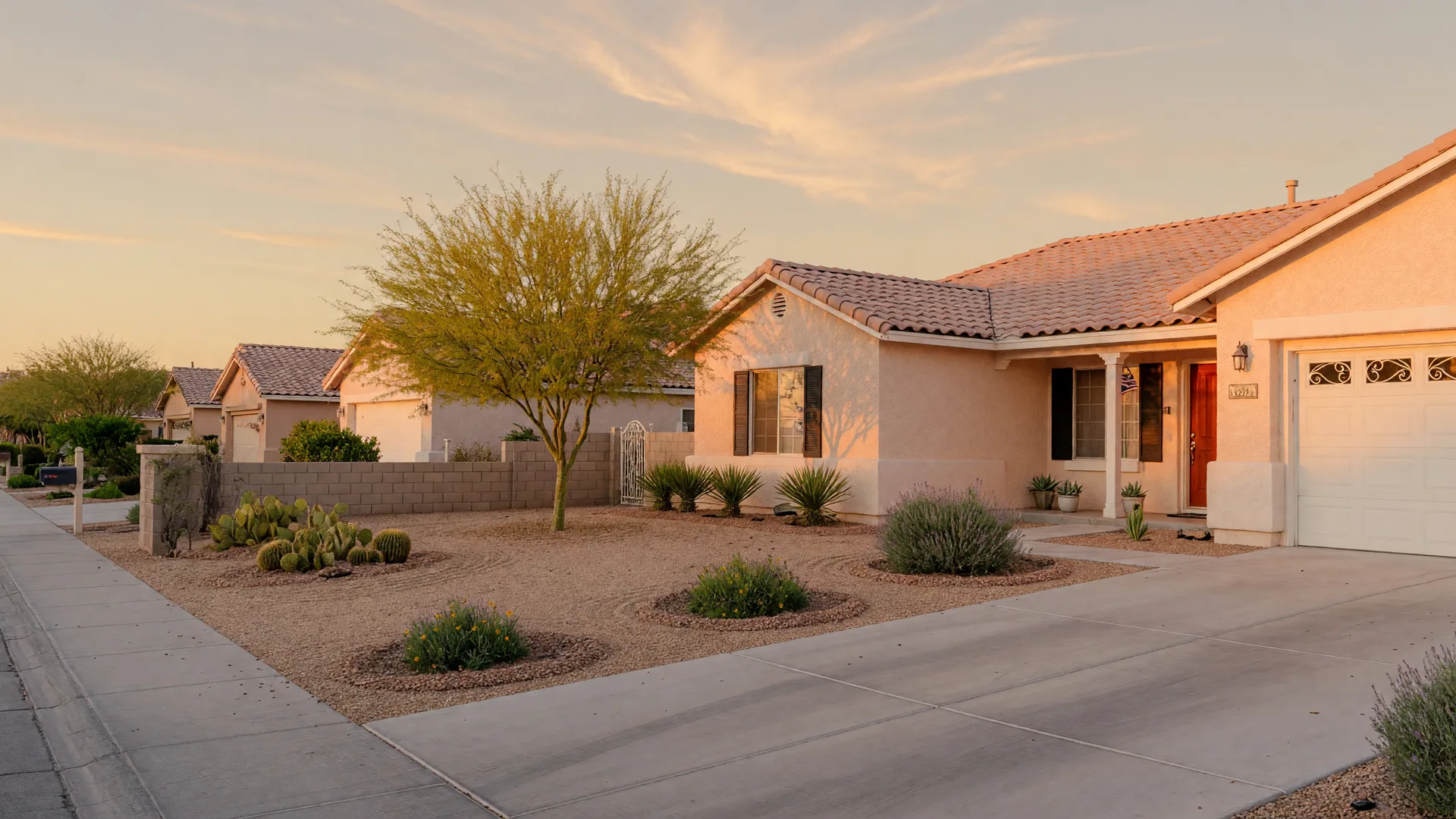
The market rewards honesty, and a recent Henderson example makes the point. A well-priced home listed at $625,000 drew offers quickly and closed at $638,000, roughly $13,000 above the asking price, in about 10 days on market. That is what accurate pricing plus real demand looks like in Henderson right now. When a divorce requires a sale, the goal is the same: price it right, prepare it well, and let a competitive market do the work. The number you plan around should be the net proceeds you will actually divide, not a hopeful list price.
The buyout reality: mortgage and equity
If you want to keep the house, the buyout is the honest test. You generally need to refinance the mortgage into your name alone, and that means qualifying on your income, your credit, and your debt picture. You also need the cash or assets to pay your spouse their share of the equity, unless the court orders a different arrangement. When the refinance works and the equity split is fair, keeping the home can be a gift of stability. When it does not, holding onto the house can quietly become a financial trap.
This is exactly the kind of situation where The Lockhart Method earns its keep: we clarify the goal, confirm the facts, and lay out the tradeoffs before a single decision gets made.
How I help
My role in a divorce is not to push you into a transaction. It is to help you understand your options, protect your interests, and make an informed decision, always alongside your attorney. I bring valuation, selling strategy, net proceeds analysis, and a steady hand to a process that can feel anything but steady. You can read more of the straight answers I give to divorce property questions at Ask Steve: Divorce, or we can talk through your situation directly.
This work is also at the heart of the book I wrote under the pen name Michel Anthone, Divorce Is Emotional. Property Is an Asset., which brings structure to exactly this decision so a family can see the home clearly through the emotion.
A note on Nevada family law
A Nevada divorce is a legal proceeding, and the division of the family home is ultimately shaped by the law, the court, and your particular circumstances. I am a Realtor, not an attorney, and nothing here replaces the advice of a licensed Nevada family law attorney. Please work with your attorney on the legal side, and bring your Realtor in for the valuation and the real estate strategy. Together, that team protects your interests far better than either could alone.
Frequently Asked Questions About Divorce and the Family Home
Should I keep, sell, or buy out the marital home in a Nevada divorce?
There is no one right answer, which is why a strategy matters. Keeping the home often requires buying out your spouse's equity and qualifying for the mortgage alone. Selling divides the equity cleanly but closes the chapter. A buyout keeps the house and requires real numbers: appraised value, equity, refinancing, and affordability. Your goals, your finances, and your timeline decide which fits.
Can I afford to keep the Las Vegas house after divorce?
Affordability after divorce is about more than the mortgage payment. You need to cover taxes, insurance, HOA fees, maintenance, utilities, and your new living budget on one income. A careful review of your equity, the refinance payment, and your post-divorce budget tells you whether keeping the house is realistic.
How is the marital home valued in a Nevada divorce?
In a community property state like Nevada, the marital home is generally valued as of the date the community estate is valued for division. That value usually comes from an appraisal or agreed comparable sales. Your mortgage balance then determines how much equity is actually on the table for division.
What should I do first when the divorce involves the home?
Start by getting the facts in order: the current value, the mortgage balance, the equity, and the realistic monthly cost to keep the home. That is the Understand step of The Lockhart Method. With clear numbers, the keep, sell, or buy out decision becomes a strategy conversation instead of an emotional tug of war.
Do I need a real estate agent during a divorce?
A divorce creates both legal and real estate decisions at the same time. Your attorney handles the legal side. An experienced Las Vegas Realtor helps with valuation, selling strategy, net proceeds, and the practical steps of a home sale or buyout, always working alongside your attorney.
Connect with Steve Lockhart
Market insight and The Lockhart Method in practice continue on social. Follow along for the plain-language take on selling, buying, and investing in Las Vegas.
- Facebook: Steve Lockhart - Las Vegas Realtor
- Instagram: @stevelockhartrealtor
- LinkedIn: Steve Lockhart
- Google Business Profile: Steven Lockhart - Las Vegas REALTOR
This article is general information, not legal or financial advice; divorce and property division depend on your specific situation, so consult a Nevada family law attorney and a qualified financial or lending professional before acting.
About the author
Written by Steve Lockhart, Las Vegas REALTOR® with First Mutual Realty Group (Nevada license S.0194053), member of the National Association of REALTORS, and creator of The Lockhart Method™.
This article is general information only and is not tax, legal, or financial advice. Your situation deserves a conversation with the right professionals before you act.
Related Articles
More on Life Transitions
 Life Transitions
 The Thanksgiving Conversation: When You Realize Mom Needs More Help
You notice at Thanksgiving that Mom is not moving the same. Here is how to start the conversation about assisted living without ambushing her, as a family.
 Life Transitions
 What to Do With All of Mom and Dad's Stuff: A Room-by-Room Downsizing Plan
The stuff can be the hardest part of a senior move. A room-by-room plan for sorting keepsakes, dividing belongings fairly, and letting go without conflict.
 Life Transitions
 Where Do We Start? A Senior Transition Checklist for Adult Children
After a fall or a hard conversation, the family realizes Dad cannot stay alone and nobody knows where to start. Here is a practical first-30-days checklist.
The next step
Let's look at your options together
Whether you are weighing keep, sell, or buy out for the family home, or deciding what to do after a Notice of Default, the right answer comes from your numbers, your goals, and your timeline. We can walk through your equity, your mortgage, and your realistic options in plain language, always routed through your attorney or a HUD-approved housing counselor where a legal question is involved, with no pressure and nothing to sign.
Schedule a ConsultationCall or text me
Call or text me at 725-765-3346 , email stevelockhart.lv@gmail.com , or visit stevelockhartrealtor.com .