Senior Transition
What should I look for in an accessible or senior-friendly home?
By Steve Lockhart
The short answer
Start with the structure, because structure is expensive to change later.
Full answer
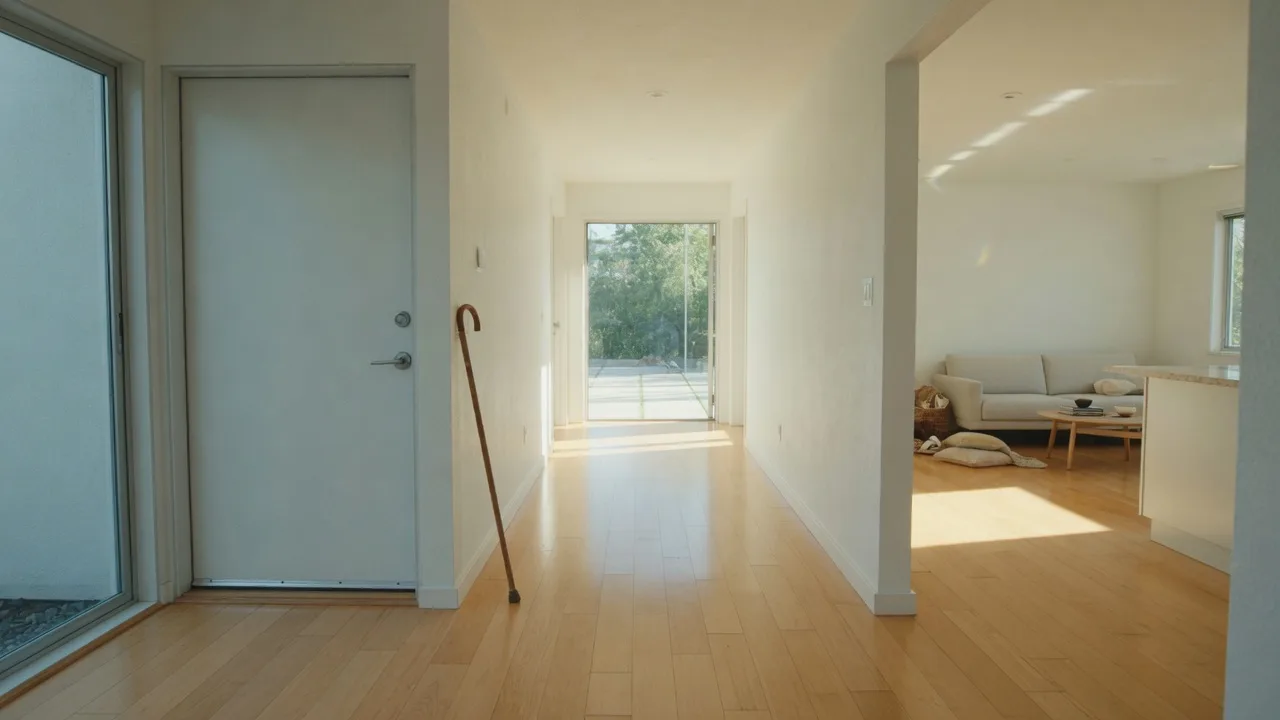
Start with the structure, because structure is expensive to change later. A no-step entry at the front door, a bedroom and a full bathroom on the main level, wide doorways and hallways, and a shower you can walk into without climbing over a tub are the features that keep a home usable as life changes. Then add the affordable layer: lever door handles, rocker light switches, outlets at a reachable height, good lighting, and reinforced bathroom walls where grab bars can go.
Measure matters more than it feels like it should. Wheelchairs and walkers need about 36 inches of hallway width, and doorways of at least 32 inches clear. A bathroom needs enough floor space for a walker or a transfer, and a roll-in or walk-in shower is far easier to live with than a tub you cannot step over. These are the details salespeople rarely mention and agents who do this work check first.
The outside of the home counts too. Look at the path from the driveway and street to the front door, and the steps along the way. A level or gently sloped walk is worth more than a beautiful front porch with three steps. Consider the yard as well: in Las Vegas, desert landscaping that needs little water and no mowing saves you effort and cost every single month. Ask about how the garage connects to the house, because groceries and daily trips are the trips that matter.
The phrase to remember is universal design: features that work for people of every age and ability, which also makes a home easier to sell later. You are not building a hospital room. You are buying a home that will still be comfortable when your needs change, and you will not be scrambling to retrofit it under pressure.
Go a little deeper
Frequently asked
Questions people often follow up on
What is universal design?
Universal design means features that work for people of all ages and abilities: no-step entries, wide doors, single-floor living, lever handles, adjustable-height options. It makes a home comfortable today and adaptable tomorrow, and because more buyers value it, it generally holds value better at resale.
Should I pay a premium for these features?
Features that are expensive to add later, like a main-floor bedroom and bath or wider doorways, are worth paying for now. Cosmetic items like handles and light switches are cheap upgrades you can do after move-in. We prioritize the structural features in the search and leave the simple ones for your first week in the new home.
The Lockhart Method
The Lockhart Method
Your Home | My Strategy | Proven Results
My strategy: buy the structure now, add the gadgets later. We prioritize no-step entries, a main-floor bedroom and bath, and wide doorways, the expensive-to-change items, and leave the affordable upgrades like handles and lighting for after move-in.
Schedule a Consultation