Senior Transition
How do I plan a move from a large house to a smaller one?
By Steve Lockhart
The short answer
Plan it in stages with dates, because a downsizing move fails when the stages blur together. Stage one is the decision: the new area, the budget, the timeline, and the team, your agent, your move manager if you use one, your family.
Full answer
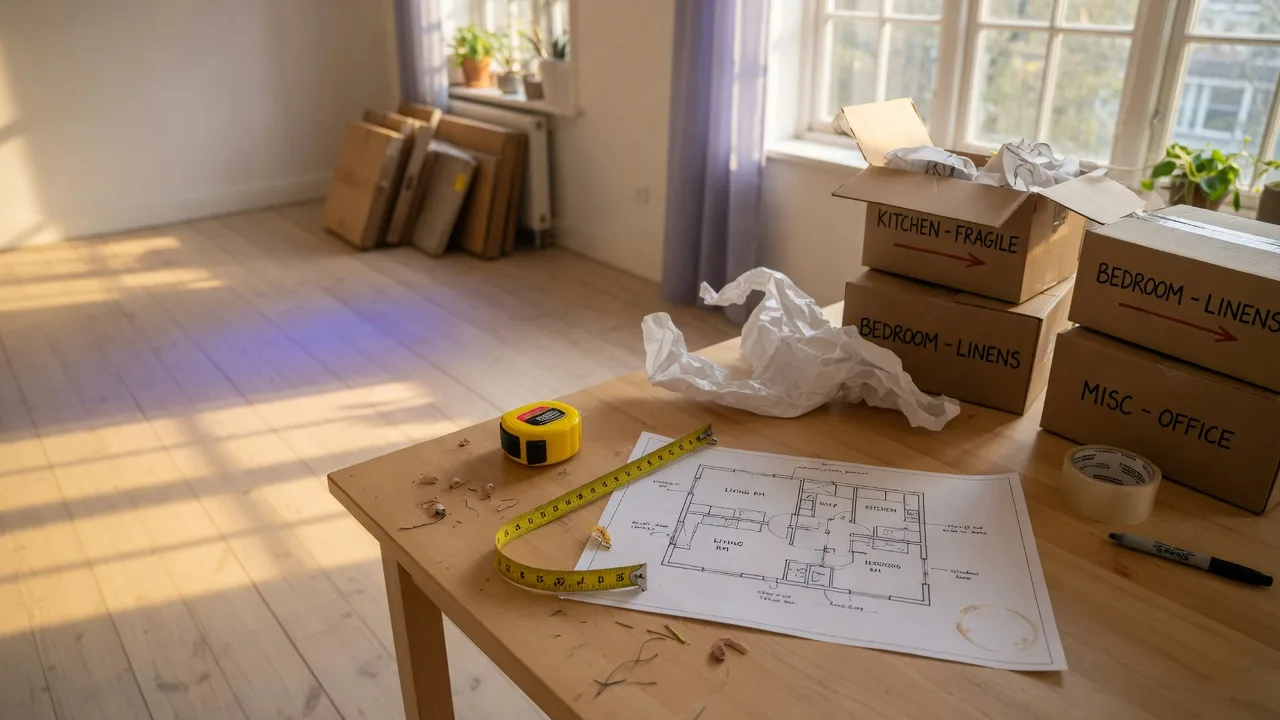
Plan it in stages with dates, because a downsizing move fails when the stages blur together. Stage one is the decision: the new area, the budget, the timeline, and the team, your agent, your move manager if you use one, your family. Stage two is the home: preparing and listing the current home while you measure and choose the next one. Stage three is the belongings: sorting, donating, selling, and packing room by room. Stage four is the move and the unpacking, done against the same floor plan you measured to.
Give yourself three to six months when you can, because the sorting is the slowest engine in the process and it runs on your energy, not on a contractor's schedule. A comfortable runway means the listing, the purchase, and the move each land on a linear timeline instead of colliding in the final week. If your situation compresses the calendar, we front-load the decisions that cause the most delay: what fits in the new home, and what happens to everything else.
The budget for the move itself deserves its own line. Movers, packing supplies, utility transfers, storage if you use it briefly, donation and disposal costs, and a cushion for surprises. Small household moves across town typically cost less than a national move, but the number still needs to be in the plan, and professional movers who are licensed and insured are worth their price in a move you will do exactly once.
Do not move everything and sort it on the other side. That is how people fill a smaller home to the brim and pay to store the overflow. Move with the sorted result: what fits the floor plan, what you love, and what the new life needs. The new home should feel like the beginning of something, not the attic of the old one.
Go a little deeper
Frequently asked
Questions people often follow up on
How far ahead should I start?
Three to six months is a comfortable runway for most moves: enough time to list, sell, sort, and find the next home without rushing. If an event like a sale closing or a care move sets the date, we work backward from it and compress the stages deliberately rather than improvising.
Should I pack as I sort, or sort as I pack?
Sort first, pack second. Every box you pack carries a decision you made about the item going into it. Sorting before packing means the boxes that arrive at the new home are the boxes you actually want, and unpacking becomes placement instead of a second round of triage.
The Lockhart Method
The Lockhart Method
Your Home | My Strategy | Proven Results
My strategy: treat the move as a project with a start date, milestones, and a finish date. I help you sequence the listing, the sorting, and the move so the deadlines work together instead of against each other.
Schedule a Consultation