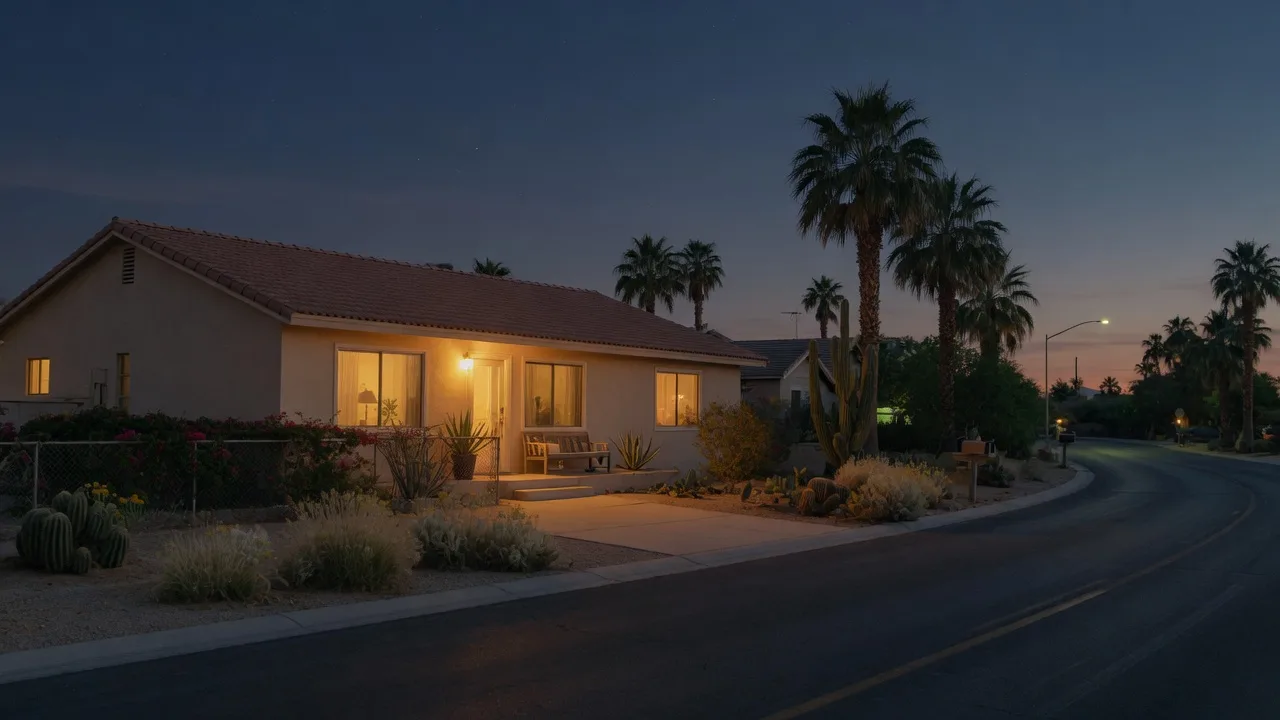
Buying a Home
Should I buy a home or keep renting?
By Steve Lockhart
The short answer
This is a math question and a life question at the same time, and the right answer depends on your timeline and your goals. If you expect to move again within a couple of years, buying often does not make sense, because the upfront costs of closing may not be recouped in that short a window.
Full answer
This is a math question and a life question at the same time, and the right answer depends on your timeline and your goals. If you expect to move again within a couple of years, buying often does not make sense, because the upfront costs of closing may not be recouped in that short a window. If you plan to stay several years and your budget can carry the full cost of ownership, buying builds equity and gives you control over your housing in a way renting never does. The honest comparison runs both scenarios with real numbers: what your rent is, what your payment and costs would be, what you would build in equity, and what you give up in flexibility. There is no one-size-fits-all answer, which is exactly why I run the comparison specific to your situation before anyone leans either direction.
Go a little deeper
Frequently asked
Questions buyers often follow up on
How do I decide what side I am really on?
Put both sides on paper with your own numbers: the rent you pay today, the mortgage payment including taxes and insurance, the cash you would need to close, how long you expect to stay, and what the home might be worth when you go. With the real figures stacked together, the answer usually shows itself. I run that comparison with you, line by line.
How many years should I plan to stay before buying looks smarter?
A commonly quoted figure is around three to five years, because that is when the one-time costs of buying, closing, and moving get averaged out and ownership starts to compare against renting. Stay two years, and renting often wins; stay five or more, and ownership usually catches it. It is a useful rule of thumb, never a law, so we run your exact timeline instead.
What if my plans might change in a year or two?
Then flexibility has real value, and sometimes renting buy that flexibility for you. A short expected timeline usually favors renting because you do not want to leave a home after paying the costs to buy it. If the market, the numbers, and the home line up, some buyers still choose to move sooner rather than later. We compare the numbers and the contingency plans, open minded, then follow what fits your life.
The Lockhart Method
The Lockhart Method
Your Home | My Strategy | Proven Results
My strategy: run rent and buy side by side with your real numbers, your payment, your savings, and your timeline, then let the answer fall where it falls. Every home has a breakeven date worth knowing before you commit.
Schedule a Consultation