Home Values & Pricing
What actually drives home value in Las Vegas?
By Steve Lockhart
The short answer
Las Vegas is not one market with one price per square foot. It is scores of smaller neighborhoods, each with its own buyers, its own pace, and its own price points.
Full answer
Las Vegas is not one market with one price per square foot. It is scores of smaller neighborhoods, each with its own buyers, its own pace, and its own price points. But what drives a single value follows a fairly predictable order.
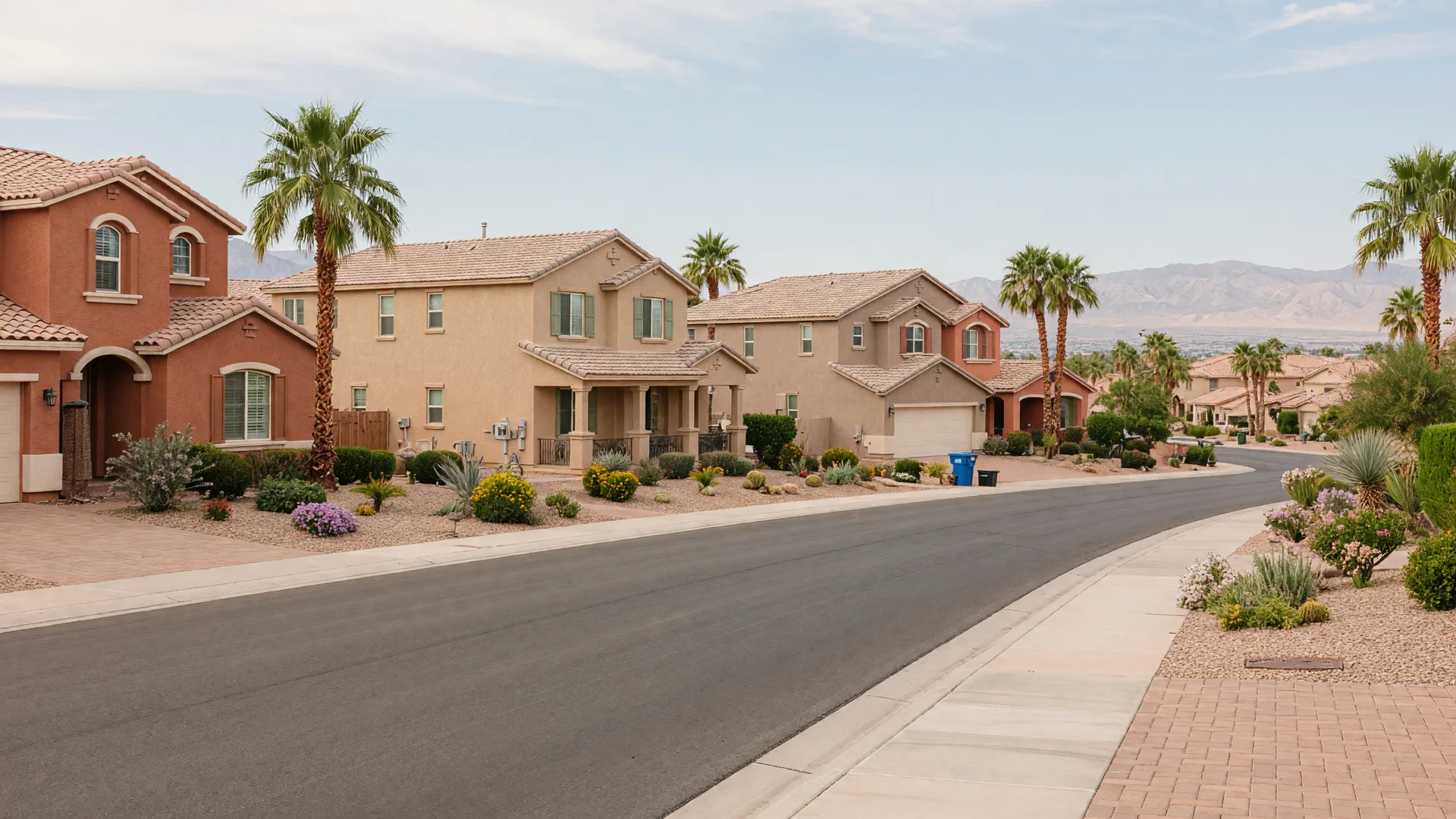
Location and community come first. Master planned and gated communities hold consistent demand, and so do access, good schools, work growth, and views of the mountains or Red Rock. Two similar floor plans can sit tens of thousands apart based on the land they rest on. A healthy HOA and mature landscaping support demand, while a troubled one discounts it.
The home itself comes second: square footage, beds and baths, lot size, age, builder, and layout. In the desert, the character of the systems matters strongly: roof, HVAC, water heater, windows, and the power bill in the summer. A newer, efficient home competes at a level an older one of the same size cannot.
Condition and upgrades come third. Buyers pay for what they do not want to touch: kitchens, baths, floors, HVAC, roof, landscaping. Deferred maintenance reads as a discount instantly. Upgrades only earn what the local buyer will pay, however, and over-improving past the neighborhood ceiling is one of the surest ways to lose money on a remodel.
Recent comparable sales are the evidence base. What a similar home in the same grid closed for in the last few months sets the range, because asked prices do not drive value; closings do.
Finally, the market tone: the balance of supply and demand, the rate, and buyer confidence set the conditions your home will sell into. Low inventory and favorable and rates push up; heavy inventory and higher rates pull down. The five forces act together. That's why the credible number is the one built from your recent comps: all five forces, measured where you live, at the moment you sell.
Go a little deeper
Frequently asked
Questions homeowners often follow up on
Does the HOA affect my value?
Indirectly, yes. A healthy HOA keeps a community attractive and supports demand, high fees or turmoil discounts some buyers. The net effect shows up in your comps, so the community's condition and the HOA's financial health belong inside the pricing conversation.
Why do two similar homes in the same area price differently?
Small differences get multiplied at sale: size of the lot, position, views, story count, fixture quality, the era and the upkeep. Those differences appear in the comps as adjustments, so the numbers make sense once the adjustment logic is in front of you.
Does a newer home always hold more value?
A newer home with efficient systems competes at a different level, but age is not everything. A maintained older home in a mature and desirable community can hold value or grow. Pair the right builder, era, and group when you compare.
The Lockhart Method
The Lockhart Method
Your Home | My Strategy | Proven Results
My strategy: compare your home to its own village, its own era, its own grid, not to the entire Valley. I pull the sales that move your price and walk you through the five forces in plain words, so the number matches the house you live in. The drivers are shown, not assumed.
Schedule a Consultation