Clark County rents are up sharply since 2020, Nevada has roughly 16 affordable rental homes for every 100 extremely low-income households, and the gap keeps widening. Here is the real 2026 picture, plus how to check your own numbers.
The short answer
The honest answer is that Las Vegas is in one of the hardest affordability stretches in its history, and the problem is supply as much as price.
What is the real state of Las Vegas housing affordability in 2026?
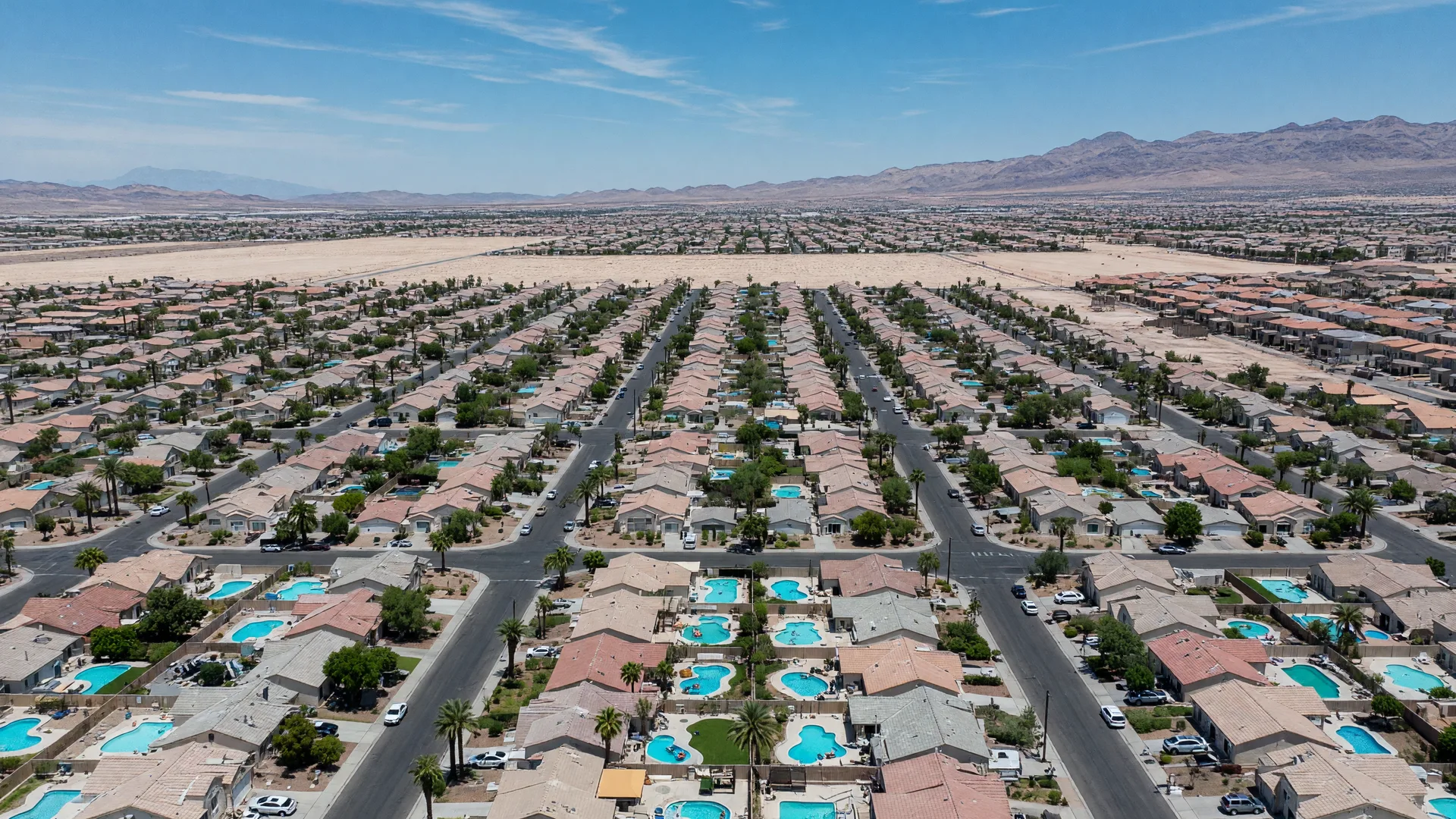
The honest answer is that Las Vegas is in one of the hardest affordability stretches in its history, and the problem is supply as much as price. Rents across Clark County have risen sharply since 2020, with published analyses by 2026 putting the increase at roughly 20 to 35 percent depending on the measure and the report. The supply of affordable rental homes has not kept pace, and that pushes costs up across the whole market. This is a community-wide pressure point that touches renters, first-time buyers, current owners, and investors alike, and it does not belong to any one neighborhood or income group.
The word crisis points at the problem, not at the people living in it. Every household in this article is doing a normal thing: trying to find housing that fits their life. The system around them is short on supply, and that is the part worth understanding.
The numbers that describe the shortage
The most widely cited measure comes from the National Low Income Housing Coalition. In the 2026 Gap Report, Nevada had roughly 16 affordable and available rental homes for every 100 extremely low-income renter households, the lowest relative supply of any state against a national average of about 35 per 100. Extremely low income is a defined federal income category, and the shortage hits households in that category hardest.
At the county level, the estimate is measured in tens of thousands. When the Southern Nevada Regional Housing Authority testified before the Clark County Commission in January 2025, its executive director put the need at roughly 80,000 additional affordable units. The figure moves as the population moves, which is why the honest framing is that the gap is large, official estimates shift by year, and the trend has run the wrong way for more than a decade.
Why the gap keeps widening: growth is outrunning building
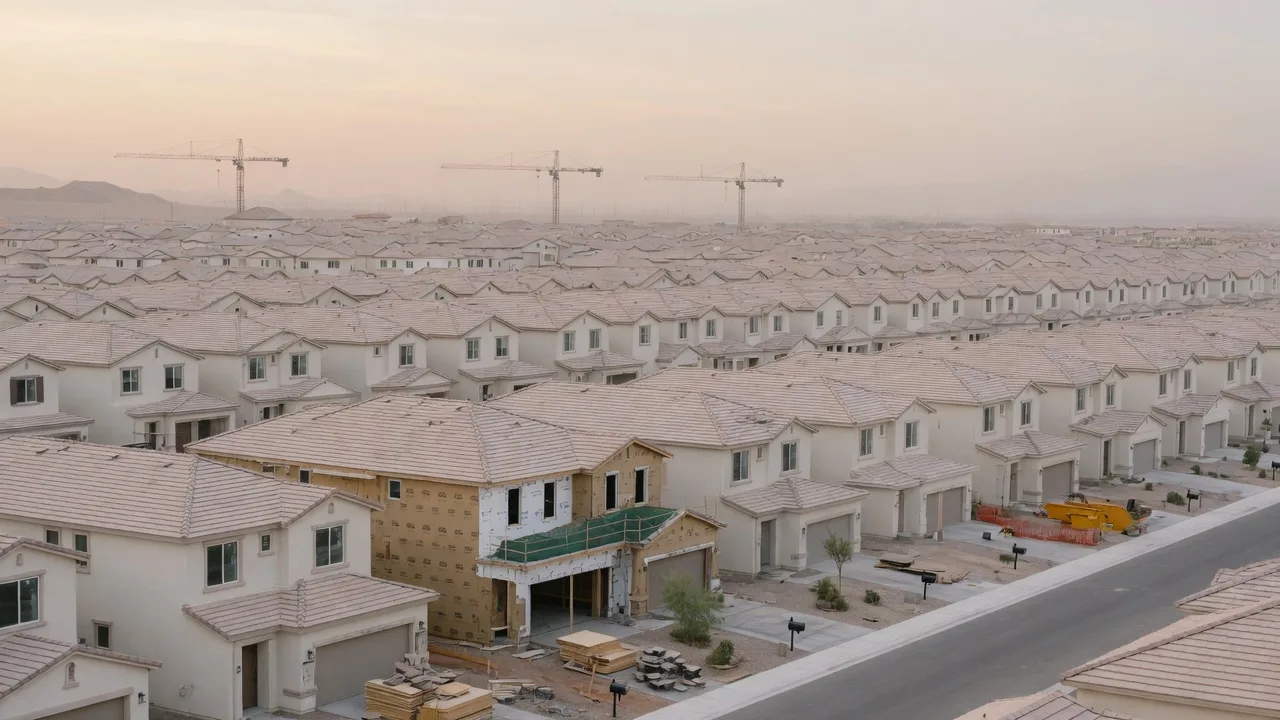
The arithmetic is simple and uncomfortable. Clark County has added well over 100,000 residents since 2020, new housing production, especially at attainable price points, has not matched the pace of new households. When population growth runs ahead of housing development year after year, the result is what Las Vegas is seeing: rents climbing faster than incomes, purchase prices staying firm against strong demand, and fewer options at every step.
Tiny-home proposals and zoning-flexibility conversations are part of the local response, as are state and county programs funding new attainable housing. All of it is real, and all of it is early innings. A gap built up over years will take years of sustained production to close.
What the state and county are actually doing
There is genuine policy movement. In 2025 the Nevada Legislature passed the Housing Access and Attainability Act, which created the Nevada Attainable Housing Account to fund new attainable housing across the state and established a down payment assistance program to help more households become owners. The programs run through the Nevada Housing Division, and eligibility, income limits, and funding windows change, so the current details belong on the official pages as publicly listed.
Clark County has pursued its own affordable housing investments and federal funding programs through the county's housing and community resources offices. For anyone making a decision, the useful habit is to check current official sources by name, because a program that existed last cycle may have new rules this one.
How to check affordability for your own situation
The county-wide numbers describe the market; your decision runs on your numbers. A practical starting point that lenders and housing counselors use: keep your total housing cost, whether rent or a mortgage payment with taxes and insurance, at or near 30 percent of gross income, and stress-test the payment at today's interest rates rather than the rate you hoped for. For first-time buyers, Nevada's down payment assistance programs, including the state-run option created under the Attainability Act, are worth checking against their current published terms.
The honest caveat: verify the current data
Every figure in this article is a snapshot with a date. The Gap Report, the county's housing estimates, and the rent studies publish on their own schedules, and each new release can move the numbers. Before you act on any statistic, check the current version at its source: the Ask Steve Market Updates hub tracks the latest published figures for the valley, and the Ask Steve hub answers the affordability questions buyers and renters ask most, straight.
Where this leaves you
The housing shortage is one of the central facts of Las Vegas life in 2026, and it will not feel solved quickly. What you control is how you approach your own decision: know what share of your income housing actually takes, know the programs that exist, and put your numbers in front of someone who will walk options with you rather than push a transaction. If you are trying to work out what is realistic for your situation, Schedule a Consultation and we will look at your numbers together, in plain language, with no pressure and nothing to sign.
The next step
Bring the affordability question down to your own numbers
The market-wide picture is context; your strategy runs on your income, your housing cost, and your timeline. If you are trying to work out what is realistic for your situation, a strategy call is the direct way to look at your options, in plain language, with no pressure and nothing to sign.
Schedule a Consultation