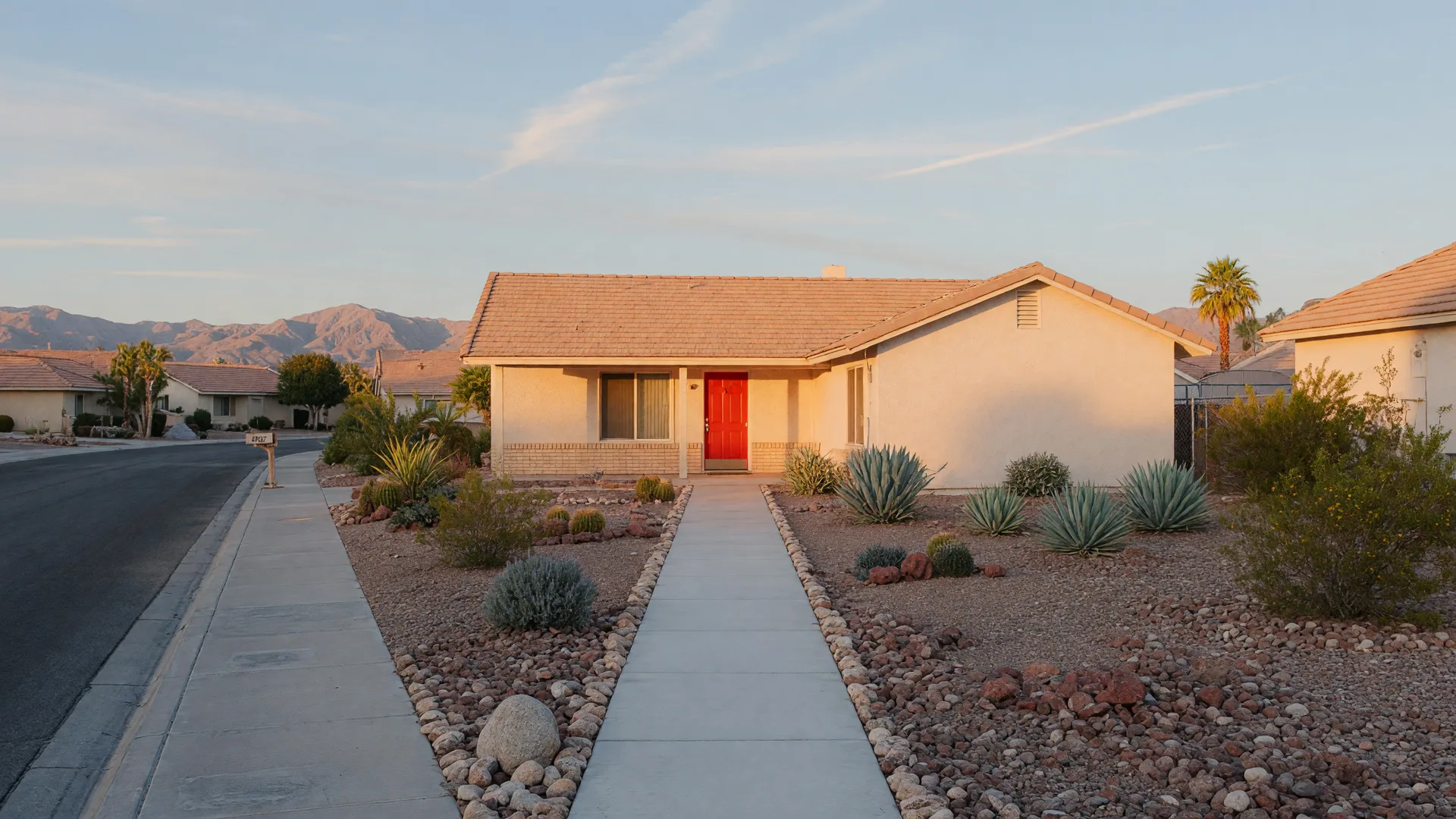
The foreclosure process in Nevada, step by step: missed payments, the notice of default, reinstatement, the trustee's sale, and the options at every stage.
The short answer
If you have fallen behind on your mortgage, the word foreclosure can feel like a verdict. I want you to hear something different: it is a process, it unfolds in stages, and options exist at every stage.
If you have fallen behind on your mortgage, the word foreclosure can feel like a verdict. I want you to hear something different: it is a process, it unfolds in stages, and options exist at every stage. Acting early is what preserves your choices. This article walks through the general shape of a Nevada foreclosure, in plain language and without invented deadlines, so you know what happens at each step and where you still have room to act.
Where the process starts: the missed payment
Foreclosure begins with missed payments, not with a single bad month. When you fall behind, the lender typically starts contacting you, and the loan servicer's loss mitigation department becomes involved.
The earlier you respond, the more options you have. Ignoring the calls narrows your choices; it never widens them.
The notice of default
In Nevada, a foreclosure on a deed of trust generally begins publicly with a notice of default recorded with the county. That document starts the formal process and tells you the loan is in default. It is serious, and it is not the end of the road.
For a plain-language walkthrough of what the letter means and what to do next, read Notice of Default in Nevada: Your Options After the Letter Arrives.
The reinstatement period and your options
After the notice of default, there is a period during which you may be able to bring the loan current, called reinstatement, or pursue alternatives like a loan modification, a short sale, or a sale of the home before the foreclosure completes. Each of those paths has its own requirements and timelines.
The real options, from reinstatement to selling before the sale, are laid out honestly in Pre-Foreclosure in Las Vegas: Your Real Options, and the choice between a short sale and a pre-foreclosure sale is covered in Pre-Foreclosure vs. Short Sale.
The trustee's sale
If the default is not cured and no alternative is completed, the foreclosure moves toward a trustee's sale, a public auction where the home is sold to satisfy the debt. The date, the notice requirements, and the rules are set by Nevada law and the specific loan documents, and I am not going to invent them here.
What matters is that this is the stage where the home changes hands if nothing else has happened first. Everything before this stage is an opportunity to act.
What happens after the sale
After the trustee's sale, the buyer takes ownership, and the former homeowner generally needs to vacate. Depending on the situation, there may be a redemption period, eviction, or other legal steps, and the details depend on the type of loan and the specific facts.
This is the stage where legal advice becomes essential, which is why you want a Nevada real estate attorney involved well before the sale, not after it.
Why acting early preserves your choices
Every option you hear about, reinstatement, modification, short sale, selling before the sale, works better when you start early. A lender is far more willing to work with a homeowner who is engaged and responsive than one who disappears.
The single best move you can make is to pick up the phone and talk to your lender, a HUD-approved housing counselor, and a real estate professional who understands distressed property. The distressed property guide is the honest place to start.
How I can help
I help Las Vegas homeowners facing mortgage distress understand their options without judgment. I can explain how the process works in practice, what a short sale involves, and what selling before foreclosure could look like for your situation, always routed through your attorney or a HUD-approved housing counselor where a legal question is involved.
A note on getting the right advice
Foreclosure is a legal process with deadlines and rules set by Nevada law and your loan documents. I am a Realtor, not an attorney. Consult a Nevada real estate attorney or a HUD-approved housing counselor about your specific situation, and do it early, because the earlier you act, the more options you keep.
Frequently Asked Questions
How does foreclosure work in Nevada?
A Nevada foreclosure generally begins with missed payments and a recorded notice of default, continues through a reinstatement or alternative period, and can end at a public trustee's sale if the default is not resolved. The exact deadlines and rules come from Nevada law and your loan documents.
How long before foreclosure in Nevada?
The timeline depends on your loan type, your servicer, and whether you pursue alternatives. What matters more than the calendar is acting early: the sooner you engage, the more options you keep. Ask your lender or a HUD-approved counselor for the deadlines that apply to you.
Can I stop a foreclosure?
In many cases, yes, at least temporarily, through reinstatement, a loan modification, a short sale, or selling the home before the sale date. Each option has requirements, and the earlier you start, the more likely one will fit. Legal and housing counseling advice is essential.
What happens after the trustee sale?
After the sale, the buyer takes ownership and the former homeowner generally needs to vacate. Depending on the situation there may be additional legal steps, which is why you should have a Nevada real estate attorney involved before and after the sale.
This article is general information, not legal or financial advice; foreclosure involves deadlines and rules set by Nevada law and your loan documents, so consult a Nevada real estate attorney or a HUD-approved housing counselor about your specific situation.
About the author
Written by Steve Lockhart, Las Vegas REALTOR® with First Mutual Realty Group (Nevada license S.0194053), member of the National Association of REALTORS, and creator of The Lockhart Method™.
This article is general information only and is not tax, legal, or financial advice. Your situation deserves a conversation with the right professionals before you act.
Related Articles
More on Seller Education
 Seller Education
 The Complete Nevada FSBO Guide: What Las Vegas Home Sellers Must Know Before Going It Alone
Thinking about selling your Las Vegas home For Sale By Owner (FSBO)? This in‑depth Nevada FSBO guide from Steve Lockhart, REALTOR® of First Mutual Realty (License #S.0194053), walks you through the real‑world facts, risks, and smarter alternatives so you can make a fully informed decision before going it alone.
 Seller Education
 What Is a Short Sale in Nevada? How It Works and What It Costs You
What is a short sale in Nevada? How the process works, what it does to your credit, deficiency judgments in general terms, and how it compares to foreclosure.
 Seller Education
 Your Listing Expired. Now What? The Honest Relaunch Plan
Your listing expired. Here is the honest relaunch plan: why listings expire, what to review, how to reset the price, and how a fresh strategy differs.
The next step
Let's look at your options together
Facing foreclosure? Options exist at every stage, and acting early is what keeps them open. We can review your situation and your realistic paths in plain language, alongside your attorney or a HUD-approved housing counselor, with no pressure and no judgment.
Schedule a ConsultationCall or text me
Call or text me at 725-765-3346 , email stevelockhart.lv@gmail.com , or visit stevelockhartrealtor.com .