PROBATE
Do probate sales require a special inspection or disclosure?
By Steve Lockhart
The short answer
Start with inspections, because they are almost never required and almost always wise. Nevada law does not mandate a home inspection, and a probate sale does not add one.
Full answer
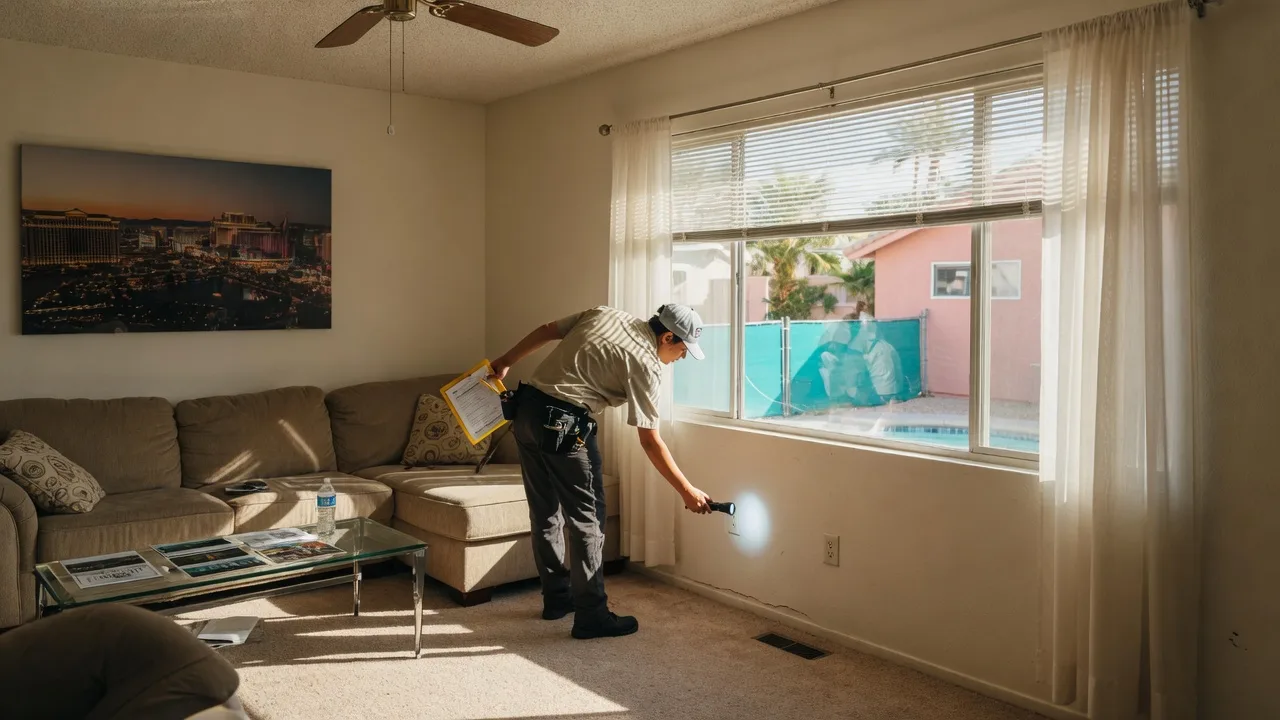
Start with inspections, because they are almost never required and almost always wise. Nevada law does not mandate a home inspection, and a probate sale does not add one. What happens instead is that knowledgeable buyers order the inspection themselves, and on an as-is estate home, a serious buyer almost always does. The inspection matters even more in probate because the home may have sat vacant, with no one running the plumbing, the AC, or the sprinklers for months.
The disclosure side has a helpful distinction. Nevada's seller's disclosure form is usually required from a seller, but personal representatives and other fiduciary sellers are generally exempt from completing it. That exemption is not a pass to hide a known problem. If the estate knows the roof leaks or the AC is dead, honesty still governs, and concealing a known defect can expose the estate to real liability. The honest working rule: disclose what you know, in writing, and let the buyer verify everything else.
Timing deserves attention too. On a court-confirmed probate sale, buyers typically complete their inspections before the confirmation hearing, so the offer the court is asked to approve reflects the property the buyer intends to buy. If the inspection changes the deal, it is far better to work that out before confirmation than after it. That is one more reason the estate wants a listing plan with built-in inspection time.
A note about legal guidance: Steve is a licensed Realtor, not an attorney or a tax advisor. Probate, estate, and related tax questions involve Nevada law and IRS rules, and the specifics of your situation deserve a review with a probate attorney and a CPA who know your case.
Go a little deeper
Frequently asked
Questions people often follow up on
Does as-is mean no disclosure at all?
No. As-is describes the condition the buyer accepts, and it does not waive the duty to disclose known material defects. The estate should put what it knows in writing, and the buyer should inspect the rest.
Who pays for the inspection in a probate sale?
The buyer does, as in any sale. It is a standard buyer's contingency and the buyer's expense.
Are there special probate inspection requirements in Nevada?
There are no special statutory inspections for probate sales. HOA communities may have their own move-in requirements, and lenders may require an appraisal, but the home inspection itself remains a buyer's choice.
The Lockhart Method
The Lockhart Method
Your Home | My Strategy | Proven Results
My strategy: schedule inspection time before the confirmation hearing, on purpose. A court-confirmed sale is a poor place to discover a bad roof, so we tell buyers the inspection must be done early, and we price as-is honestly. The result is an offer the court can approve and the buyer can feel good about.
Schedule a Consultation