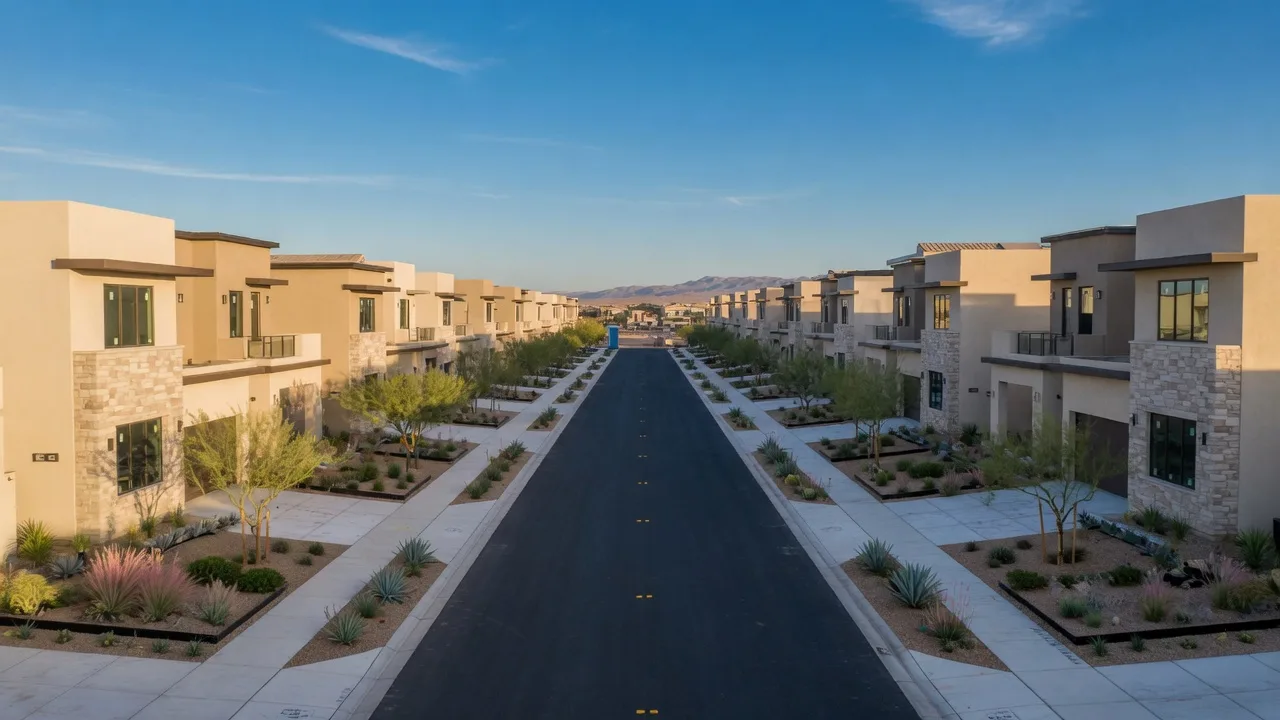
New Construction
How do taxes work on a new build in Nevada?
By Steve Lockhart
The short answer
Nevada's property tax system surprises new buyers because it is not based on the price you paid. The assessor values the property from land value plus the replacement cost of improvements, takes 35 percent of that as assessed value, and applies the tax rate to it.
Full answer
Nevada's property tax system surprises new buyers because it is not based on the price you paid. The assessor values the property from land value plus the replacement cost of improvements, takes 35 percent of that as assessed value, and applies the tax rate to it. The result is a bill that can be lower than a purchase price based estimate would suggest, but the way new homes are phased in is where the surprises live.
A home under construction on the July 1 lien date is taxed on the land and partial value for that first fiscal year, then reassessed to the full improved value the next year. That is why a new home's tax bill often jumps noticeably in the second calendar year of ownership. Once you move in and occupy the home as your primary residence, the standard Nevada cap limits the year over year increase to 3 percent, and it applies when you file the owner occupancy claim.
At closing, buying a new build in Clark County involves the real property transfer tax, collected when the deed records, and by local custom the seller or builder often pays it while the buyer pays lender related costs and recording fees, though the contract decides. Title and escrow walk you through the actual figures at closing. The practical habit: ask for an estimated tax bill for year one and year two before you budget the payment.
Go a little deeper
Frequently asked
Questions people often follow up on
Why does my new home tax bill jump in year two?
Because a home under construction on July 1, Nevada's lien date, is valued on the land and partial build for that fiscal year, then reassessed to the full improved value the following year. The increase reflects the home finally being finished and fully valued, which is why estimating year two is part of any new build budget.
What is the Nevada 3 percent property tax cap?
For an owner-occupied primary residence, Nevada law limits the year over year increase in the actual property tax bill to 3 percent, up to 8 percent for non-owner-occupied homes. The cap is not automatic in every county: the owner files an occupancy claim so the reduced assessment applies, and you reapply as required by the assessor.
Who pays the transfer tax on a new build in Las Vegas?
In Clark County the real property transfer tax applies to the recording of the deed, and Nevada law makes buyer and seller jointly responsible, with the split negotiable and written into the purchase agreement. By local custom the seller or builder often pays it, while buyers typically handle lender closing costs and recording fees. Your contract and closing statement will show exactly who pays what.
The Lockhart Method
The Lockhart Method
Your Home | My Strategy | Proven Results
My strategy: budget the tax bill like the two year story it is. I ask for the year one and year two tax estimates, walk through the assessment and the occupancy claim, and fold the transfer tax into the closing math, so the payment you plan to carry is the payment you will actually get.
Schedule a Consultation