Investors
How do I analyze a rental property deal?
By Steve Lockhart
The short answer
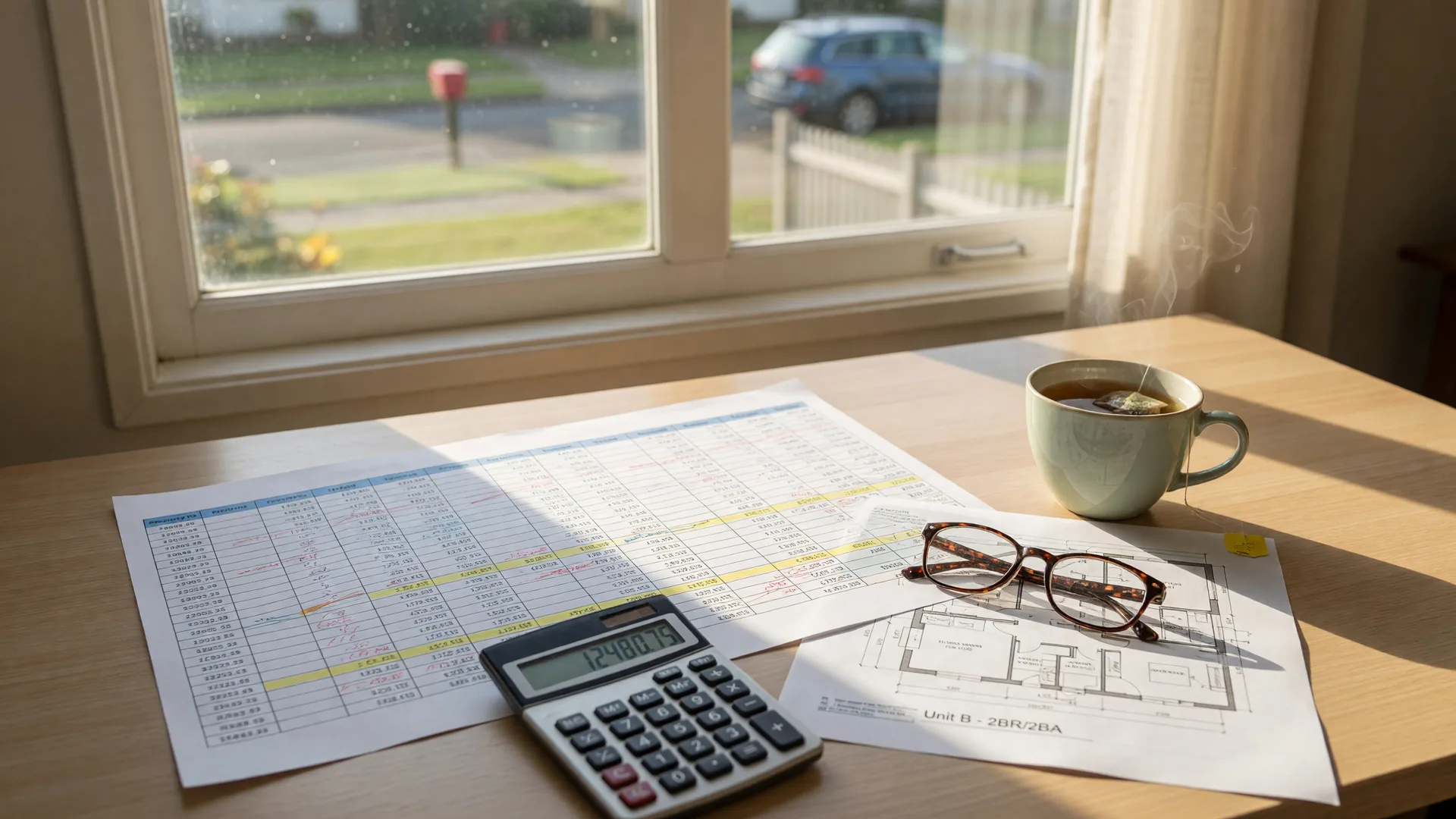
Start with income. Do not use the seller's advertised rent or an optimistic guess; look at what comparable units in that exact area actually rent for, current lease terms, and what rent trend looks realistic over your hold period.
Full answer
Start with income. Do not use the seller's advertised rent or an optimistic guess; look at what comparable units in that exact area actually rent for, current lease terms, and what rent trend looks realistic over your hold period. Then build the expense side from real numbers: property taxes, insurance, HOA dues, utilities you pay, management, maintenance, and a vacancy allowance, usually several percent of gross rent over time in this market.
Add the financing: down payment, loan amount, rate, term, and the full monthly payment including taxes and insurance. Subtract everything from the rent and you have monthly cash flow. From there, cash on cash divides your annual cash flow by the cash you put in, and cap rate divides net operating income by the property value, giving you a return independent of financing. Total return adds principal paydown and appreciation so you see the full picture, not just the month.
Then stress it. What happens at 90 percent occupancy, at a bigger repair, at flat rents for three years? If the property still does not hurt you, it is worth pursuing. I always walk the property and get an inspection before the numbers get real, because the analysis only matters if the property is actually in the condition the spreadsheet assumes.
A note from Steve: nothing on this page is investment, legal, or tax advice. Markets move, and every property is different. Run your own numbers on the specific deal, and talk to your CPA and attorney before you commit.
Go a little deeper
Frequently asked
Questions investors often follow up on
What is a realistic vacancy allowance in Las Vegas?
A common planning figure is 5 to 10 percent of gross rent set aside for vacancy, depending on the property type and neighborhood. The point of the allowance is not precision, it is to force the deal to survive the quiet months that every rental eventually has.
Should I include the principal paydown in my return?
Yes, for a full view. Cash flow is the monthly income, but your tenant is also paying down your mortgage, which builds equity. Total return captures cash flow plus principal paydown plus appreciation minus costs, and it is the honest way to compare a rental against other investments.
How important is the inspection in a rental analysis?
Very. Rents, taxes, and financing are numbers; the roof, HVAC, plumbing, and structure are condition. A great spreadsheet on a worn-out property produces repair bills that flip the deal. Analyze the numbers, then verify the condition, always.
The Lockhart Method
The Lockhart Method
Your Home | My Strategy | Proven Results
My strategy: we build the income statement with conservative assumptions, stress it for vacancy and repairs, and compare it against your goals and alternatives. If the property survives the tough version of its own numbers, we move to offers and inspection.
Schedule a Consultation