
Scaling Franchise Infrastructure: Solving Operational Inconsistency
JSDD Development | One system. Every location. Total visibility.
By Steve Lockhart, Founder & CEO
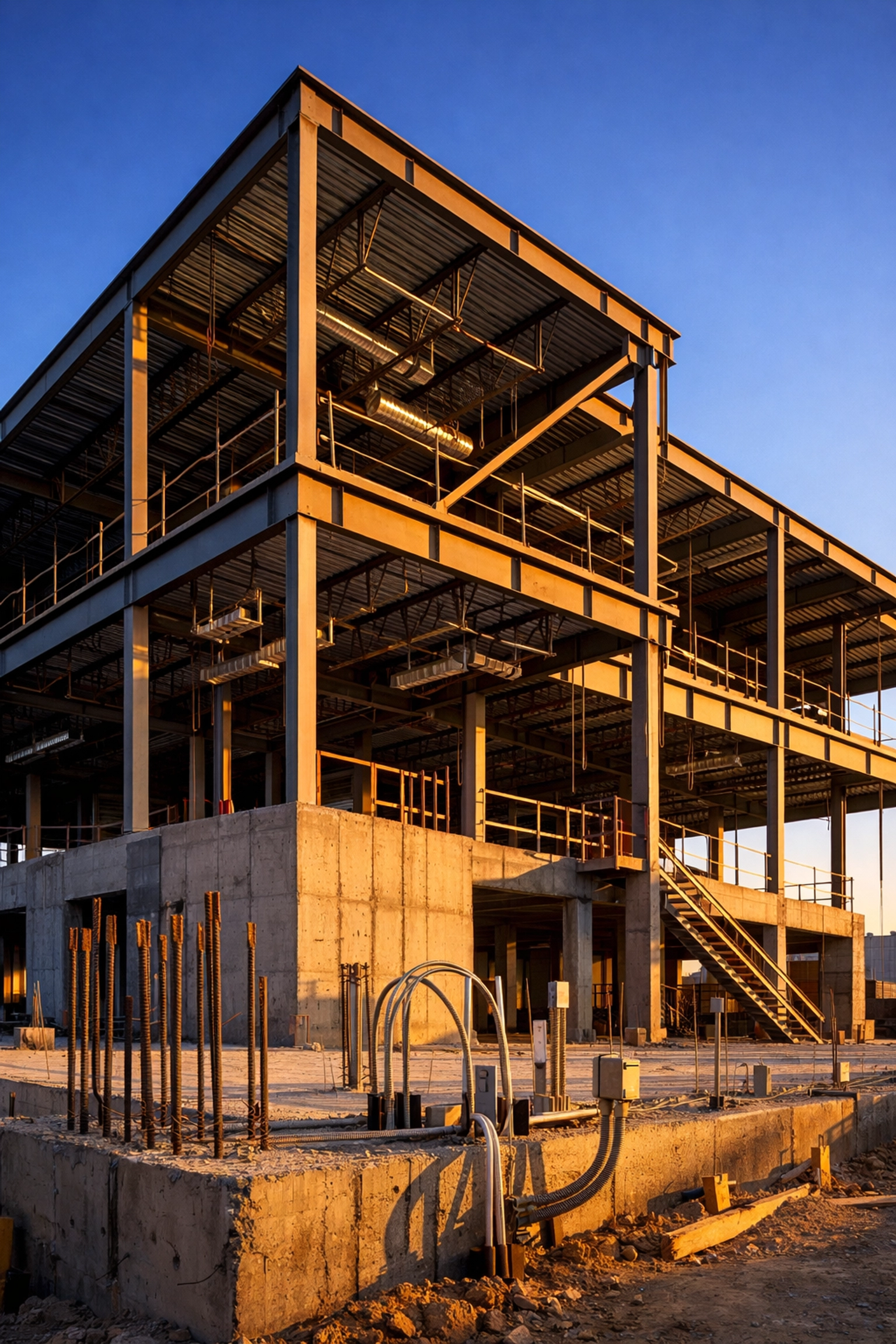
You Can't See the Foundation Once the Drywall Goes Up
I was on a call last week with a restoration franchise CEO who had just opened his 14th location. Revenue looked strong on paper. Brand awareness was growing. Lead flow was inconsistent but manageable. But when I asked him how many leads fell through the cracks last month, he paused.
"I don't know," he said. "We don't have visibility into that."
That's the countertop fallacy in action.
Franchisors often obsess over the visible parts of growth, new territories, fresh signage, updated branding, social media presence. Those are the granite countertops. They look impressive. They photograph well. But underneath, the infrastructure is collapsing. Marketing campaigns run without tracking. Follow-ups happen manually, or not at all. Leads come in at 9 PM and go unanswered until the next morning. Invoicing is inconsistent across locations. Customer service is reactive instead of systematic.
The business looks like it's scaling. But it's actually just getting bigger and more fragile.
The Hidden Costs of "Good Enough" Systems
Here's what most franchisors don't realize: every location you add without centralized infrastructure multiplies your operational risk exponentially.
One location can survive on hustle. Five locations can survive on spreadsheets and Slack channels. But fifteen? Twenty-five? That's when the cracks become canyons.
Marketing Consistency
Your corporate team launches a campaign. Location A runs it perfectly. Location B changes the messaging. Location C forgets to turn on the ads. Location D runs a completely different offer because the franchisee "knows their market better." You have four different customer experiences under one brand name.
Without a centralized marketing system that pushes consistent campaigns, tracks performance across every location, and provides real-time visibility into what's working, you're not scaling, you're fragmenting.
Follow-Up Leakage
A lead comes in through your website at 7:32 PM on a Tuesday. It gets routed to the local franchisee's inbox. The franchisee is at his kid's basketball game. He sees it Wednesday morning, sends a reply at 10:17 AM. The lead has already called two competitors and booked a consultation.
You just paid for marketing to feed someone else's pipeline.
Now multiply that across 12 locations and 200 leads per month. Follow-up leakage isn't a minor inefficiency, it's a profitability crisis. Without AI-powered routing, instant response automation, and 24/7 coverage, you're systematically losing revenue you already paid to generate.

The 24/7 Answering Problem
Your handyman franchise gets 60% of its inbound calls between 5 PM and 9 PM. Those are homeowners calling after work, when something broke and needs fixing now. If your system sends those calls to voicemail, you've lost the job.
Manual answering services are expensive and inconsistent. Franchisees hiring part-time receptionists creates quality control nightmares. But an AI voice system that picks up every call, qualifies the lead, schedules the appointment, and routes urgency appropriately? That's infrastructure.
That's the foundation that holds up when you scale to 50 locations.
Unified Invoicing and Payment Systems
I've seen cleaning franchises where every location uses a different invoicing tool. One uses QuickBooks. Another uses FreshBooks. A third still emails PDFs and hopes customers pay within 30 days.
The result? Corporate has no real-time visibility into cash flow. Franchisees chase unpaid invoices manually. Customers get inconsistent billing experiences. Accounting becomes a monthly nightmare instead of a daily dashboard.
A unified system doesn't just make invoicing easier, it creates financial predictability. You know your AR aging across the entire system. You can see which locations are converting estimates into jobs. You can identify patterns in payment delays and solve them at the system level instead of location by location.
Infrastructure Isn't Exciting. It's Just Essential.
Let's be honest: nobody gets excited about lead routing logic or automated SMS follow-up sequences. It's not flashy. It doesn't look good in a sizzle reel. But it's the difference between a franchise system that prints money and one that requires constant firefighting.
When I talk to franchisors, I ask three diagnostic questions:
Can you see every lead, from every source, across every location, in real time?
Do you know your average speed-to-contact across the system?
If a franchisee goes dark for 48 hours, does the business keep running?
If the answer to any of those is "no," you don't have infrastructure. You have hope.

What Centralized Infrastructure Actually Looks Like
Real infrastructure isn't about buying software. It's about building a system where every location operates as a connected node in a larger network: not as an independent island.
Here's what that looks like in practice:
Lead Management: Every lead, regardless of source (Google, Facebook, website form, phone call, walk-in), flows into one centralized CRM. AI tags it, scores it, and routes it to the right location. The system triggers instant follow-up. You see conversion rates by source, by location, by time of day.
Marketing Automation: Corporate creates campaigns. Locations execute them with one click. Every email, SMS, and ad is tracked. You know what's working nationally and locally. Franchisees can't go rogue, but they can customize within guardrails.
24/7 Communication: AI voice agents handle after-hours calls. AI chatbots qualify web leads in real time. SMS sequences nurture cold leads automatically. Customers never hit a dead end.
Unified Billing: One invoicing system. One payment processor. Real-time visibility into revenue, outstanding invoices, and cash flow across the entire franchise network.
Centralized Reporting: Corporate dashboards show you everything: lead volume, conversion rates, revenue per location, customer satisfaction scores, operational bottlenecks. No more waiting for monthly reports. You manage what you measure, in real time.
This isn't theoretical. This is what winning franchise systems are built on.
The ROI of Getting This Right
Here's the math that keeps CFOs up at night:
If you're spending $50,000/month on marketing across 10 locations and 30% of leads never get followed up, you're burning $15,000/month. That's $180,000/year in pure waste.
If your average franchisee misses 15 after-hours calls per month, and 40% of those would have converted into $500 jobs, you're losing $30,000/year per location.
If inconsistent invoicing delays payments by an average of 14 days across your system, your working capital is choked. You can't invest in growth because your cash is stuck in AR.
Scaling without infrastructure doesn't just slow you down. It actively destroys value.
But when you build the foundation first: when you centralize systems, automate the repeatable, and create total visibility: you unlock exponential leverage. Marketing spend converts at higher rates. Leads move through the pipeline faster. Franchisees operate more profitably. Corporate can actually see what's happening and make strategic decisions instead of guessing.

The Build vs. Buy Decision
Most franchisors face a fork in the road: build custom infrastructure internally or adopt a proven enterprise system.
Building in-house gives you control, but it requires technical talent, time, and ongoing maintenance. You're now running a software company inside a franchise company. That works for billion-dollar brands with dedicated IT teams. For everyone else, it's a distraction.
The smarter move? Adopt enterprise-grade infrastructure designed specifically for franchise operations. Systems that integrate lead generation, CRM, marketing automation, AI communication tools, invoicing, and centralized reporting into one unified platform.
If you want a reference point for what an Enterprise Operating System (network-wide infrastructure) can look like in practice, here is a clean starting place: Explore the Enterprise Infrastructure Framework.
The best franchise systems don't look like a patchwork of tools held together with Zapier integrations. They look like a single command center where every location, every lead, and every customer interaction is visible, trackable, and optimized.
Final Thought: Scale the Right Way
You can open 50 locations without infrastructure. You'll just spend the next five years putting out fires, losing leads, chasing unpaid invoices, and wondering why profitability per location keeps declining.
Or you can build the foundation first. Centralize the systems. Automate the chaos. Create total visibility.
The countertops can wait. Build the slab that actually holds the weight.
Key Takeaways
Scaling locations without centralized infrastructure creates operational fragility, not growth.
Marketing consistency, follow-up speed, 24/7 availability, and unified billing are non-negotiable at scale.
Real-time visibility across every location is the difference between managing a franchise system and hoping it works.
Infrastructure isn't glamorous, but it's the only thing that lets you scale profitably.
Ready to Build Infrastructure That Scales?
JSDD Development specializes in enterprise systems for franchise operations: centralized lead management, AI automation, unified billing, and total operational visibility. Let's build the foundation your growth deserves.


