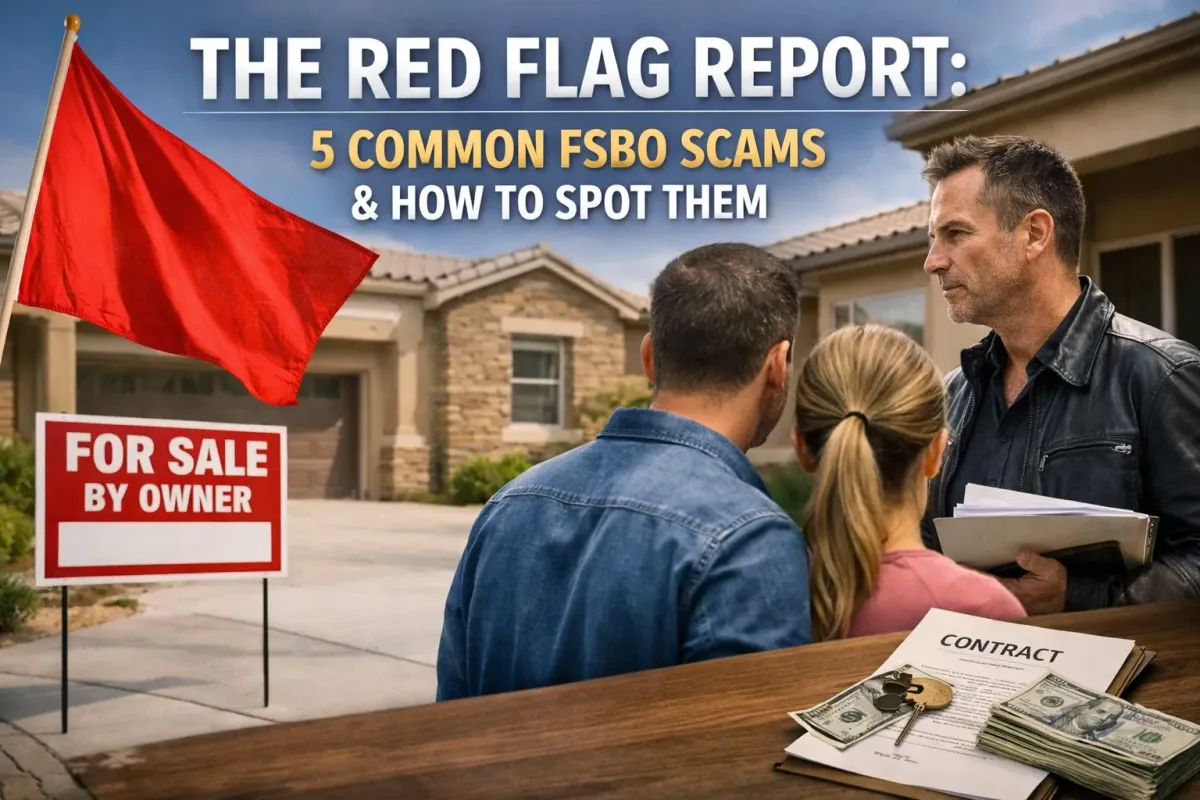
FSBO Scams & Red Flags: How to Protect Your Sale in 2026
By Steve Lockhart, AI Certified Real Estate Agent™ | Las Vegas Real Estate Guide
Published February 15, 2026
Selling your home without an agent puts more money in your pocket, but it also puts a target on your back.
FSBO sellers are prime targets for scammers because they lack the oversight of a licensed agent or brokerage. You're doing the work yourself, which means you're also responsible for protecting yourself from fraud, identity theft, and contract manipulation.
This isn't fear-mongering. It's preparation.
According to a 2023 survey, 54% of real estate professionals reported experiencing at least one seller impersonation fraud attempt within six months. And that's just one type of scam. Wire fraud, fake buyers, wholesaler traps, and overpayment schemes are all lurking in the shadows of your FSBO listing.
The good news? These scams follow predictable patterns. Once you know what to look for, you can shut them down before they cost you time, money, or worse, your home.
Let's break down the 5 most common FSBO scams, the red flags that give them away, and the exact steps you need to take to protect your sale.
1. The "Overpayment" Check Scam
How It Works
A "buyer" contacts you with an enthusiastic offer. They agree to your price, ask minimal questions, and seem ready to move fast. Then comes the curveball: they send you a check for more than the agreed amount.
They explain it as an "accounting error" or claim the extra funds are for movers, closing costs, or a third-party service. They ask you to deposit the check and wire back the difference.
Here's the trap: the check is fake. It may take days or even weeks for your bank to discover it, but by then, you've already wired your own money to the scammer. The check bounces, and you're out thousands.
Red Flags to Watch For
A buyer who agrees to your price without negotiation
Payment by personal check or cashier's check that seems "too easy"
Requests to wire back "overpayment" with urgent language
Communication only via email or text, never phone or in-person
Buyers who claim to be out of the country or unavailable to meet
How to Protect Yourself
Never refund a buyer. Ever. If someone "accidentally" overpays, return the original check and request a new one for the correct amount. Better yet, require verified wire transfers or work with a title company that handles all funds.
2. The Wholesaler Trap
How It Works
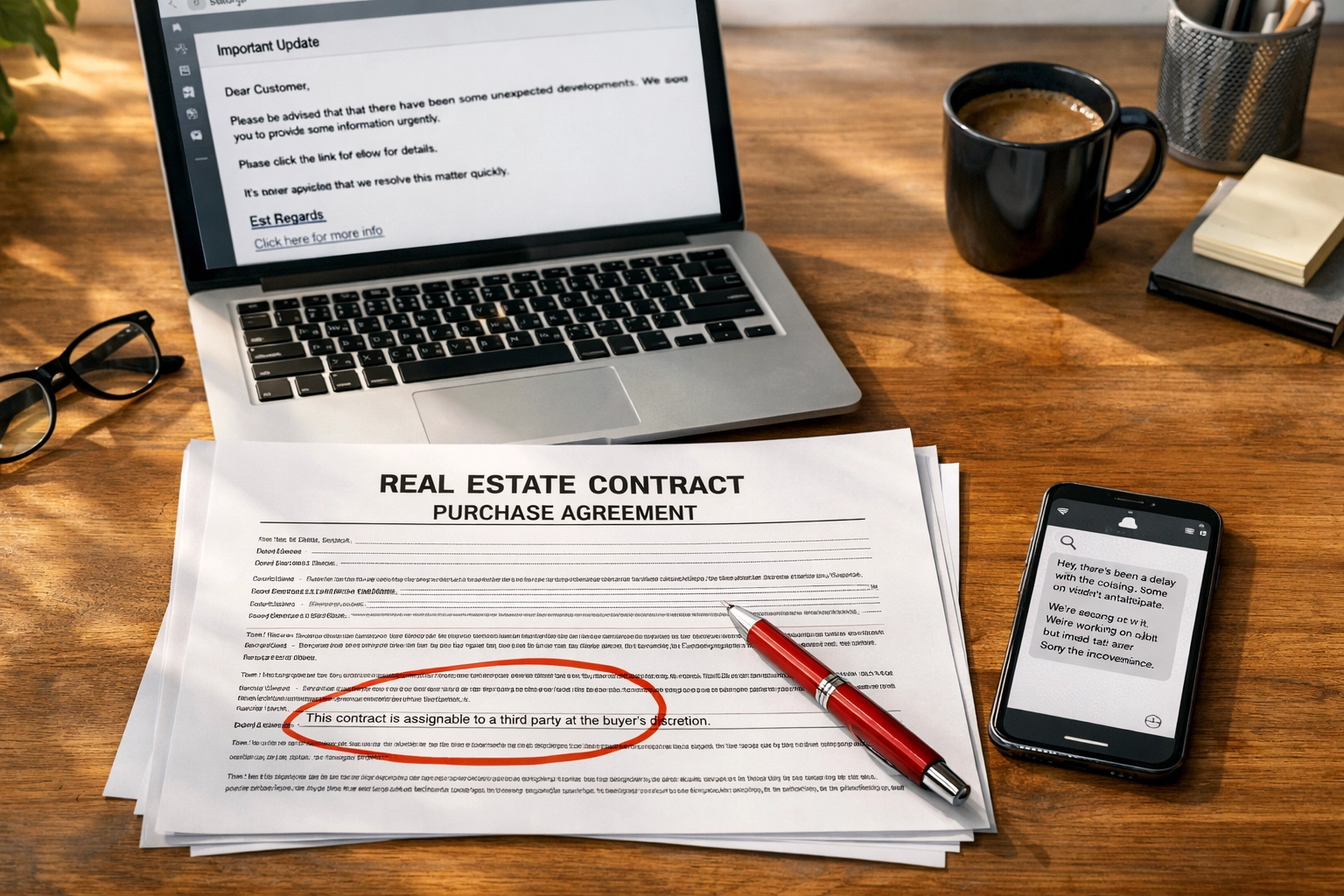
A "buyer" contacts you claiming to be an investor ready to pay cash. They're friendly, professional, and eager to close quickly. They send over a contract, you sign it, and then… nothing happens.
Weeks go by. The closing date passes. When you follow up, they explain they're "still working on financing" or "lining up the final investor." Meanwhile, your home is tied up under contract, off the market, and you can't accept other offers.
This is called contract assignment fraud. The "buyer" is actually a wholesaler trying to flip your contract to another investor at a markup, without ever intending to buy your home themselves. If they can't find a buyer, they walk away. You've lost weeks (or months) of market time.
Red Flags to Watch For
Contracts with "assignable" clauses that allow the buyer to transfer the agreement
Buyers who refuse to provide proof of funds or pre-approval
Vague closing timelines or extensions without penalty
No earnest money deposit (or a suspiciously low one)
Buyers who insist on "inspection periods" lasting 30+ days
How to Protect Yourself
Require proof of funds before signing any contract. Ask for a bank statement, a letter from their lender, or a verified line of credit. If they're a cash buyer, they should be able to prove liquidity immediately.
Also, use a state-specific contract from a trusted source like LawDepot, and never sign a contract with an "assignment clause" unless you fully understand the implications. If you're uncomfortable with the terms, walk away. A legitimate buyer will respect your caution.
3. Identity Theft During Showings
How It Works
Selling your home means inviting strangers into your most private space. While most buyers are legitimate, some use showings as an opportunity to steal your identity or case your home for future theft.
They may take photos of personal documents left on counters, peek into file cabinets, or even install hidden cameras to monitor your routine. In extreme cases, scammers pose as buyers to gather enough information to impersonate you later in fraudulent transactions.
Red Flags to Watch For
Buyers who arrive without an appointment or refuse to provide ID
Visitors who ask to use your bathroom and linger near bedrooms or offices
Buyers who take excessive photos (especially of areas unrelated to the home's condition)
Requests to tour the home alone or without you present
Refusal to provide a phone number, email, or any contact verification
How to Protect Yourself
Never show your home alone. Bring a friend, family member, or hire a licensed showing assistant. Before any showing, verify the buyer's identity by requesting a driver's license and asking pre-qualifying questions (more on this in Scam #4).
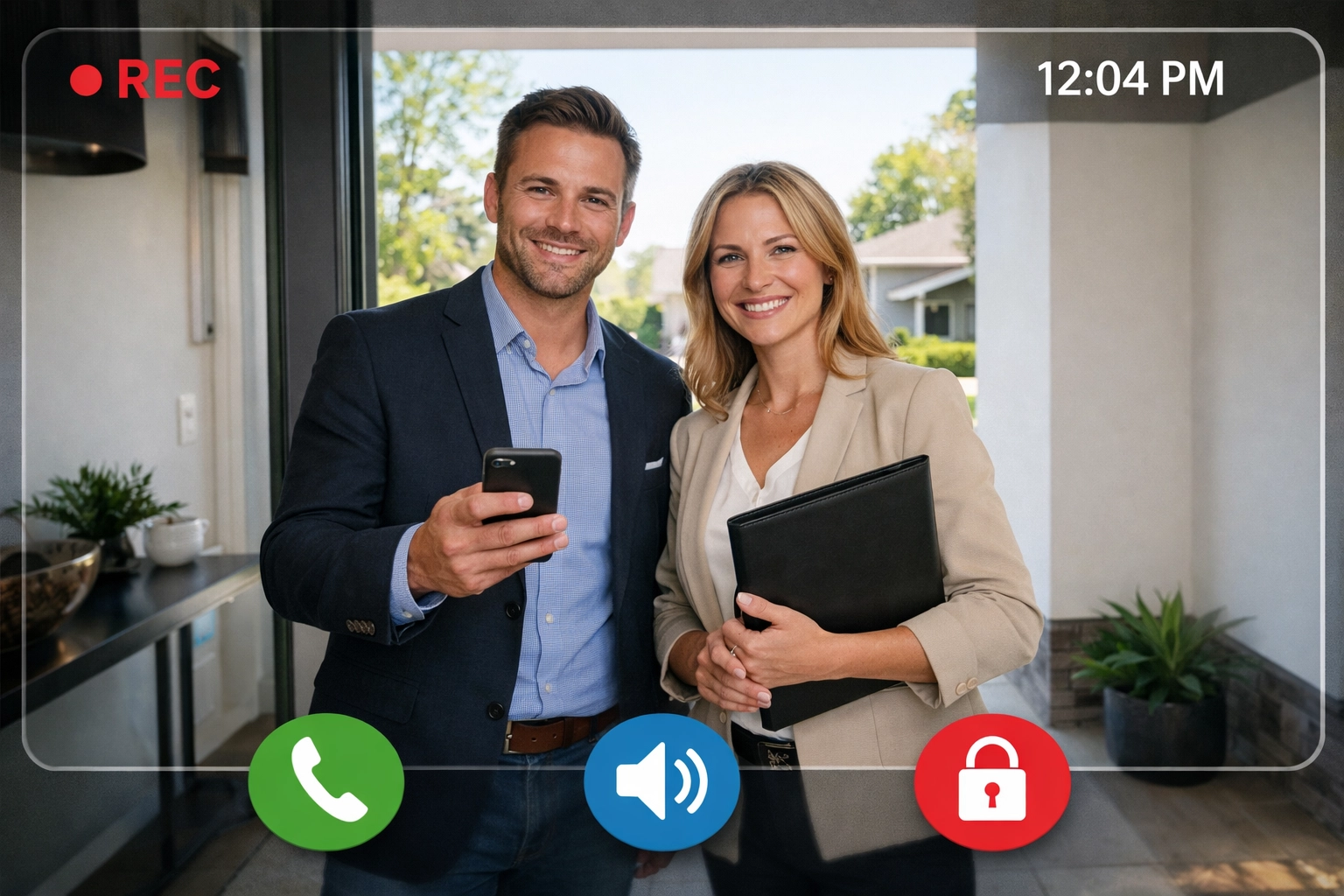
Lock away personal documents, mail, checkbooks, and any sensitive paperwork. Remove prescription medications, credit cards, and valuables from plain sight. Consider installing a video doorbell or security camera to monitor entrances.
You can also use a FSBO Seller Website to pre-qualify buyers before they ever step foot in your home. This acts as a digital "gatekeeper," filtering out casual lookers and high-risk contacts before they waste your time, or worse.
4. The Fake "Third-Party Service" Scam
How It Works
You list your home on a popular FSBO platform, and within hours, you receive emails or calls from companies offering "enhanced marketing services," "guaranteed buyer leads," or "premium listing upgrades."
They promise your home will appear on hundreds of websites, get featured placement, or be promoted to "serious cash buyers." All you have to do is pay an upfront fee, usually between $300 and $1,500.
You pay. Nothing happens. The "company" disappears, or delivers a low-quality service that provides zero value. Your money is gone, and your listing is no further ahead.
Red Flags to Watch For
Unsolicited calls or emails immediately after listing your home
Requests for upfront payment before services are rendered
Promises of "guaranteed buyers" or "exclusive investor networks"
Poorly designed websites with no verifiable reviews or contact information
High-pressure sales tactics ("This offer expires in 24 hours!")
How to Protect Yourself
Legitimate services don't cold-call FSBO sellers with "exclusive" offers. If you need marketing support, go directly to trusted platforms like The FSBO Pro Marketing Packages, which provide transparent pricing, verified tools, and no-pressure support.
Before paying for any service, research the company. Check reviews on Google, the Better Business Bureau, and real estate forums. If something feels off, trust your gut.
5. Closing Day Wire Fraud
How It Works
This is the most dangerous scam of all, and it happens when you're moments away from closing.
Here's the setup: You're days (or hours) away from finalizing the sale. Suddenly, you receive an email from what appears to be your title company or escrow officer with "updated wire instructions." The email looks legitimate, correct logo, professional formatting, urgent tone.
You wire the funds. The transaction clears. Then, hours later, the real title company calls asking where your payment is.
You've just wired your down payment, closing costs, or entire proceeds to a hacker's offshore account. The email was fake. The instructions were fake. And your money is gone.
Red Flags to Watch For
Last-minute emails with "updated" or "corrected" wire instructions
Slight misspellings in email addresses (e.g., "titIecompany.com" instead of "titlecompany.com")
Generic greetings like "Dear Client" instead of your name
Urgent language pressuring you to act immediately
Requests to send funds to a bank in a different state or country
How to Protect Yourself
Never trust wire instructions sent via email. Always verify by calling the title company directly using a phone number you find independently (not one listed in the email). Ask to speak with your escrow officer by name and confirm the routing and account numbers verbally before initiating any transfer.
Legitimate title companies will never change wire instructions at the last minute without a phone call to confirm. If someone pressures you to "act fast," that's your cue to slow down and verify.
The FSBO Vetting Protocol: Your First Line of Defense

The best way to avoid scams is to filter buyers before they waste your time. Here's a simple vetting script you can use for every inquiry:
Question 1: "Are you currently working with a buyer's agent, or are you purchasing independently?"
Question 2: "Have you been pre-approved for a mortgage, or are you a cash buyer?"
Question 3: "What's your timeline for closing?"
Question 4: "Have you already seen the home online, and do you have specific questions I can answer before scheduling a showing?"
If they hesitate, dodge, or refuse to answer, they're not serious. Move on.
You can automate this process by using a FSBO Seller Website that includes lead capture forms, pre-qualification questions, and scheduling tools. This way, only verified, motivated buyers make it to your front door.
When You Need a Fast, Safe Exit
If you're overwhelmed by the vetting process or simply want a verified cash offer without the risk of scams, HomeOffersEZ provides a legitimate alternative. They offer transparent, no-obligation cash offers with clear terms and no hidden fees, giving you peace of mind without sacrificing control.
Final Thoughts: Trust Your Gut, Verify Everything
Selling FSBO doesn't mean going it alone. It means being informed, prepared, and protected. The scammers are real, but so are the safeguards.
Before you list, before you show, and before you close, ask yourself:
Have I verified this buyer's identity and financial capability?
Does this contract protect my interests?
Am I working with verified, trusted service providers?
If the answer to any of those questions is "no," slow down. A real buyer will respect your caution. A scammer will pressure you to move fast.
Your home. Your sale. Your rules.
Ready to list with confidence?
Explore professional FSBO tools, verified contracts, and marketing packages at TheFSBOPro.com.

This page may contain affiliate links. I may earn a commission at no cost to you.


