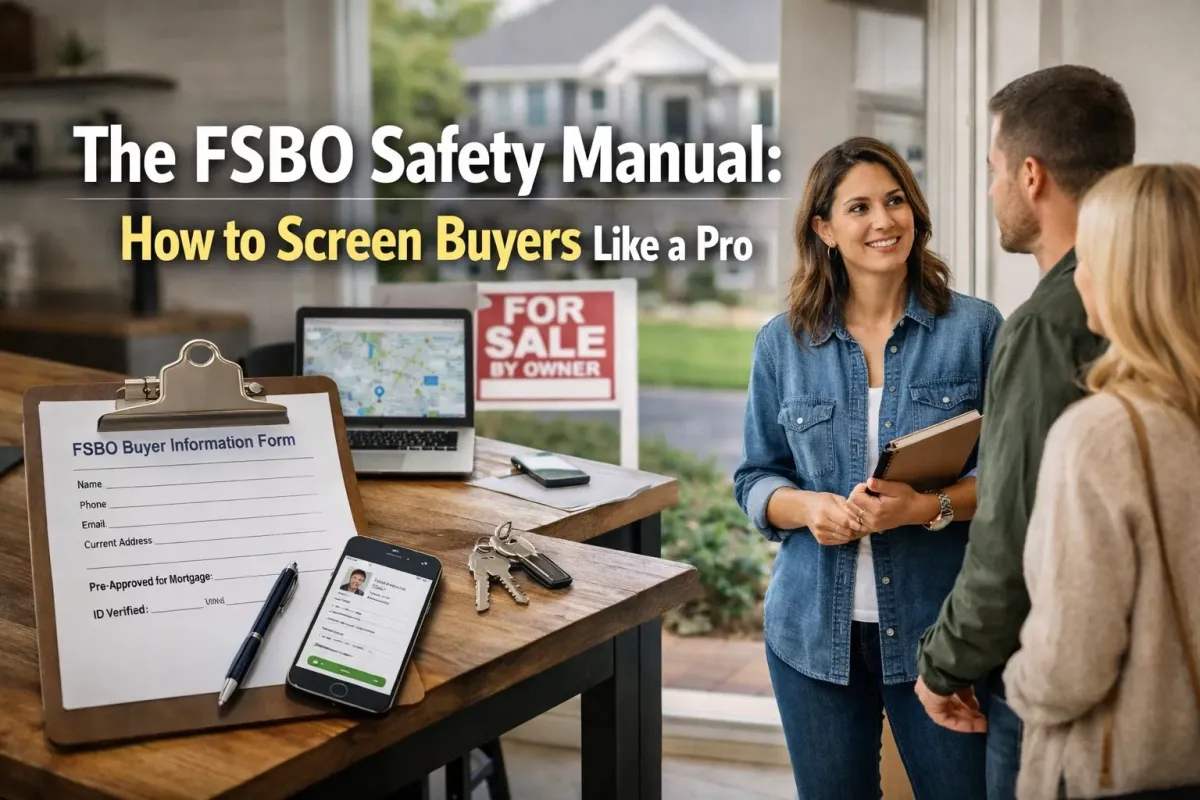
The FSBO Safety Manual: How to Screen Buyers Like a Pro
By Steve Lockhart, AI Certified Real Estate Agent™ | Las Vegas Real Estate Guide
Selling your home without a real estate agent gives you control, flexibility, and the chance to save on commission. But it also puts you in direct contact with strangers who want access to your most valuable asset, your home.
The question isn't whether you can handle the sale. The question is whether you know how to protect yourself while doing it.
This isn't about fear. It's about preparation. Professional agents have systems in place to screen buyers, verify credentials, and minimize risk. As a FSBO seller, you need those same systems. The difference is you're building them yourself.
Let's walk through the exact process professionals use to separate serious buyers from tire kickers, scammers, and safety risks.
The Reality of FSBO Exposure
When you list your home for sale by owner, your phone number becomes public. Your address is online. Your open house is advertised to anyone with internet access.
Most buyers are legitimate. But not all of them.
According to the National Association of Realtors, safety concerns are one of the top reasons FSBO sellers eventually hire an agent. The lack of a buffer between seller and stranger creates exposure that many homeowners underestimate until the phone starts ringing.
Professional screening isn't paranoia. It's standard operating procedure. And it starts before anyone ever steps foot on your property.
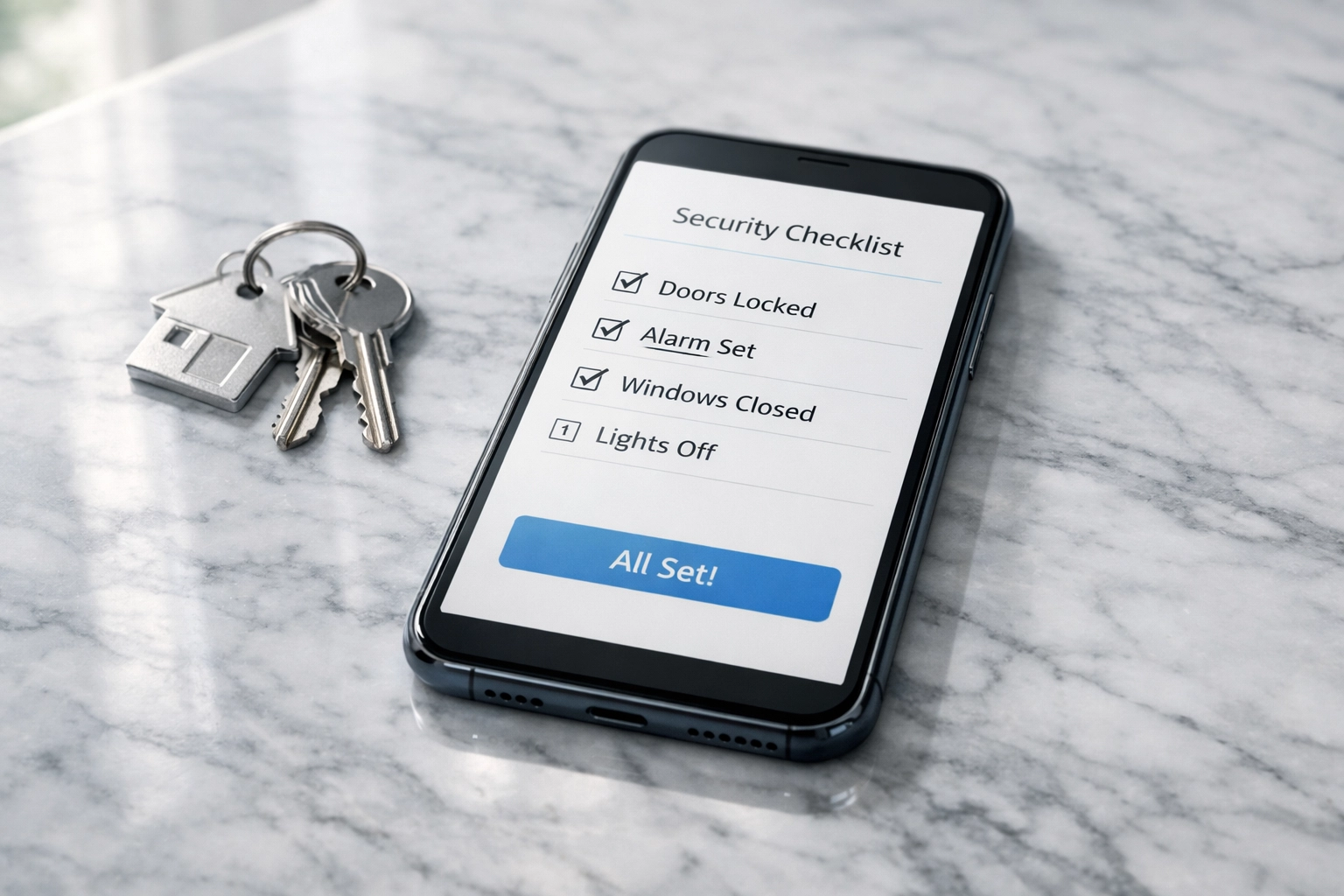
Step One: Screen Before the Showing
The first layer of protection happens over the phone or via email. Before you schedule a showing, you need to collect baseline information that answers three questions:
Who is this person?
Can they afford my home?
Are they serious about buying?
Here's the pre-showing checklist every FSBO seller should use:
Request Full Name and Contact Information
Ask for a first and last name, phone number, and email address. If someone hesitates or refuses, that's a red flag. Serious buyers understand that sellers need to verify identity.
Ask About Financing Status
"Have you been pre-approved for a mortgage?" is a non-negotiable question. If the answer is no, ask if they've at least been pre-qualified. Cash buyers should be able to provide proof of funds.
A buyer who can't answer this question clearly is either not ready to purchase or not serious about your property.
Verify the Pre-Approval Letter
Don't take someone's word for it. Request a copy of the pre-approval letter from their lender. This document should include the buyer's name, loan amount, and the lender's contact information. Call the lender directly to confirm the letter is legitimate.
Pre-approval letters can be faked. A quick phone call eliminates that risk.
Research the Buyer
Before the showing, do a basic online search. Check their social media profiles. Look for consistency in the information they've provided. This isn't about stalking, it's about due diligence.
If something feels off, trust your instinct. You have no obligation to show your home to anyone who makes you uncomfortable.
Step Two: The In-Person Verification Process
Once a buyer arrives at your property, the screening process continues. This is where many FSBO sellers get too casual. They open the door, shake hands, and start the tour without collecting any additional information.
That's a mistake.
Check Identification at the Door
Ask to see a driver's license before entering your home. Write down the name, address, and license number. Take a photo of the ID if the buyer consents. This creates a paper trail and signals that you're running a professional operation.
Most buyers won't object. If they do, you have every right to decline the showing.
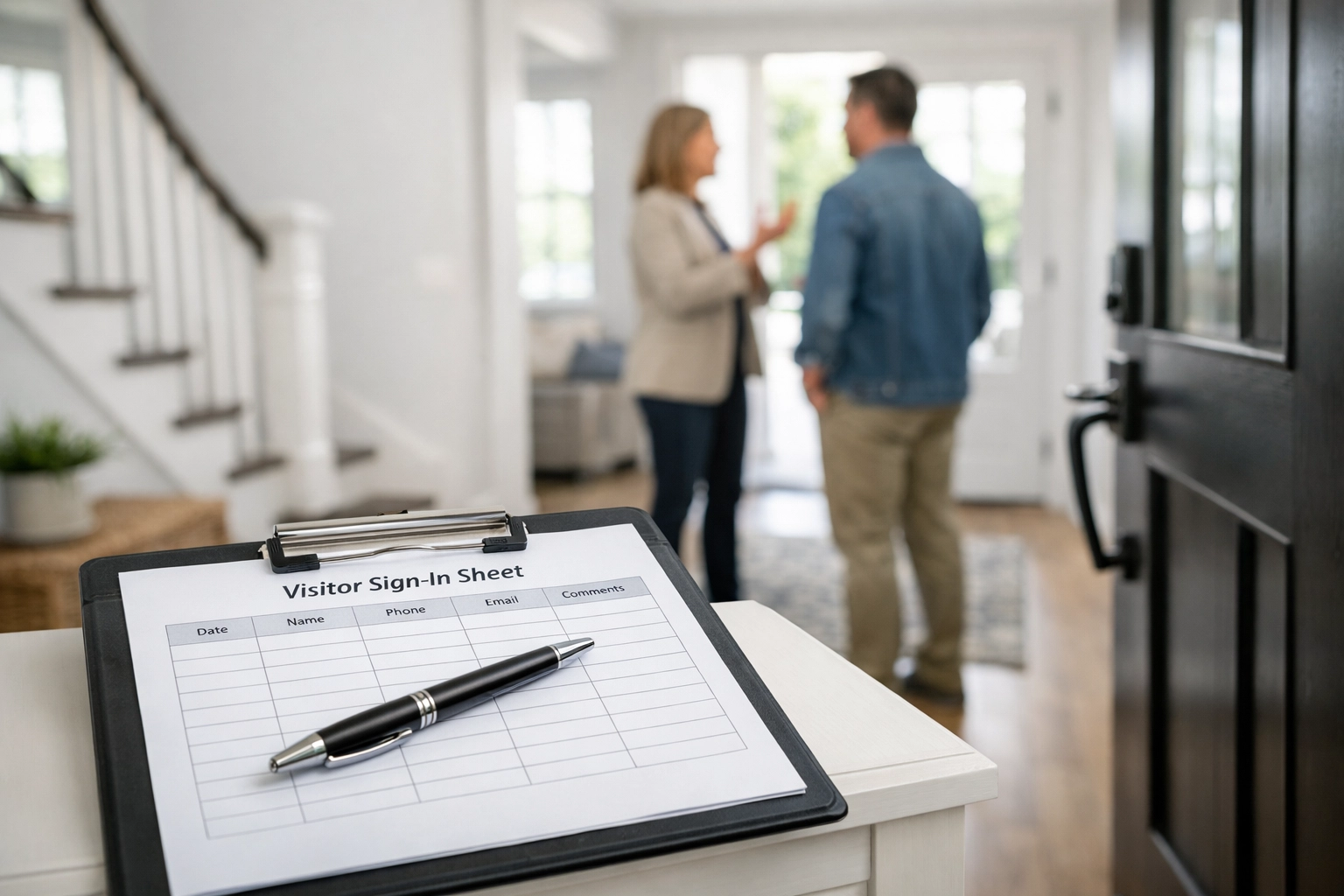
Use a Sign-In Sheet
Create a simple sign-in sheet that includes name, phone number, email address, and the time of visit. This serves two purposes: it tracks who entered your home, and it builds your follow-up list.
The National Association of Realtors recommends also noting a physical description of visitors and their vehicle license plate number if you're holding an open house. This might feel excessive, but it's standard practice for solo sellers.
Never Show Alone
Always have a second person present during showings. A friend, family member, or neighbor provides both security and an extra set of eyes. They can monitor the visitor while you focus on presenting the home.
If you can't find someone to join you, reschedule the showing. It's not worth the risk.
Keep Your Phone Accessible
Your cell phone should be in your pocket, not on a charger in another room. Disable the lock screen temporarily so you can make an emergency call without delay.
Position yourself near exits. Never allow a visitor to block your path to a door.
Step Three: Financial Verification and Earnest Money
Screening doesn't stop after the showing. Once you receive an offer, the financial vetting process becomes critical.
A serious buyer will submit an earnest money deposit. This deposit, typically 1% to 3% of the purchase price, should be placed into an escrow account managed by a title company or attorney. Never accept cash directly or deposit earnest money into your personal account.
Earnest money serves as financial proof of intent. If the buyer backs out without a valid reason outlined in the contract, they forfeit the deposit. This protects you from buyers who make offers they can't or won't honor.
Verify Proof of Funds for Cash Buyers
If a buyer claims to be paying cash, request a bank statement or proof of funds letter. Verify the document with the issuing bank. Cash buyers should be able to close quickly, but only if the money actually exists.
Confirm Loan Approval Updates
Pre-approval is not the same as final loan approval. Stay in contact with the buyer's lender throughout the transaction. Ask for updates on underwriting status and final loan commitment.
If the lender stops responding or the buyer becomes evasive about financing, you may be dealing with a deal that won't close.
Red Flags That Demand Attention
Not every concern is obvious. Some warning signs are subtle, but they matter.
Watch for these red flags during the screening process:
Refusal to provide identification or financial documentation
Unwillingness to sign in or provide contact information
Evasive answers about financing or intent to purchase
Requests to tour the home alone or without scheduling
Pressure to accept an offer without proper documentation
Cash offers without proof of funds
Buyers who ask unusual questions about your schedule or security system
If any of these occur, slow down. You're under no obligation to proceed with a buyer who raises concerns.
Tools and Templates for Professional Screening
You don't need to reinvent the process. Professional-grade tools already exist.
LawDepot offers customizable legal templates for buyer screening agreements, showing agreements, and confidentiality forms. These documents establish clear terms before a buyer enters your property.
At TheFSBOPro.com, you'll find comprehensive FSBO resources including safety checklists, pre-showing questionnaires, and buyer verification scripts. These tools give you the same framework that real estate professionals use, without the commission cost.

A professional approach doesn't require a real estate license. It requires preparation, boundaries, and the willingness to say no to buyers who don't meet your standards.
The 85% Reality
Here's the truth about FSBO sales: approximately 85% of sellers who start the process alone eventually hire a real estate agent. The reasons vary: time constraints, legal complexity, marketing challenges, or safety concerns.
There's no shame in that statistic. Selling a home is one of the largest financial transactions most people will ever handle. Recognizing when you need professional support is smart business.
But if you're committed to the FSBO path, screening buyers like a professional is non-negotiable. It protects your safety, your time, and your equity.
The tools are available. The process is clear. The only question is whether you're willing to implement it with the same discipline that a licensed agent would bring to your transaction.
Your Next Step
Screening buyers isn't optional. It's the foundation of a safe, successful FSBO sale.
Start by building your verification system today. Download buyer screening templates. Create your sign-in sheet. Establish your pre-showing questionnaire. Set clear boundaries about identification, financing verification, and showing protocols.
And if the process becomes overwhelming: if you find yourself fielding unqualified buyers, managing safety concerns, or questioning whether you have the right legal protections in place: remember that professional support exists.
Visit TheFSBOPro.com to access the complete FSBO Survival Guide, marketing packages, and professional-grade tools designed for independent sellers who want agent-level results without the commission cost.
You can sell your home yourself. But you don't have to do it unprotected.


