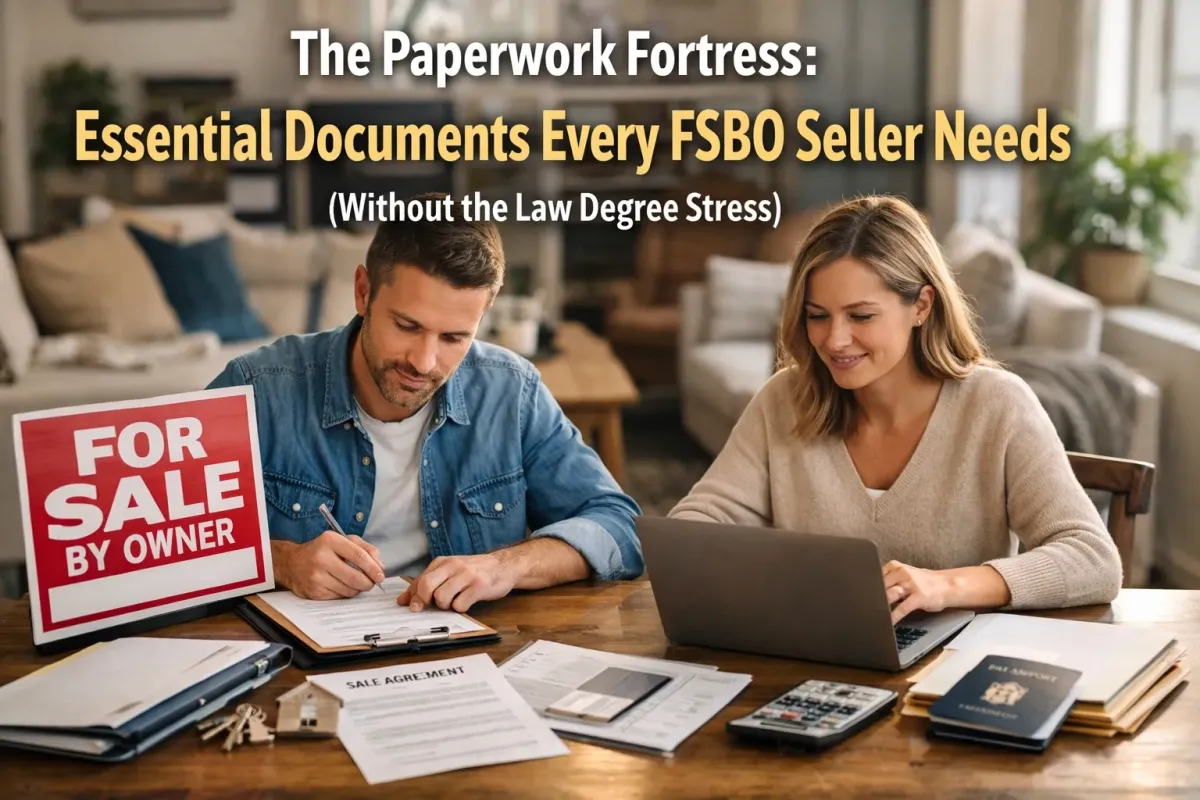
The Paperwork Fortress: Essential Documents Every FSBO Seller Needs
By Steve Lockhart, AI Certified Real Estate Agent™
Selling your home without a real estate agent doesn't mean you're on your own when it comes to paperwork. The legal side of a home sale can feel intimidating, but the truth is simple: most FSBO sellers succeed when they know which documents they need and when to use them.
You don't need a law degree. You need a system.
This guide walks you through the essential documents every FSBO seller should prepare: from the day you list to the day you close. Think of it as your paperwork fortress: organized, complete, and ready to protect your transaction from delays, disputes, and legal headaches.
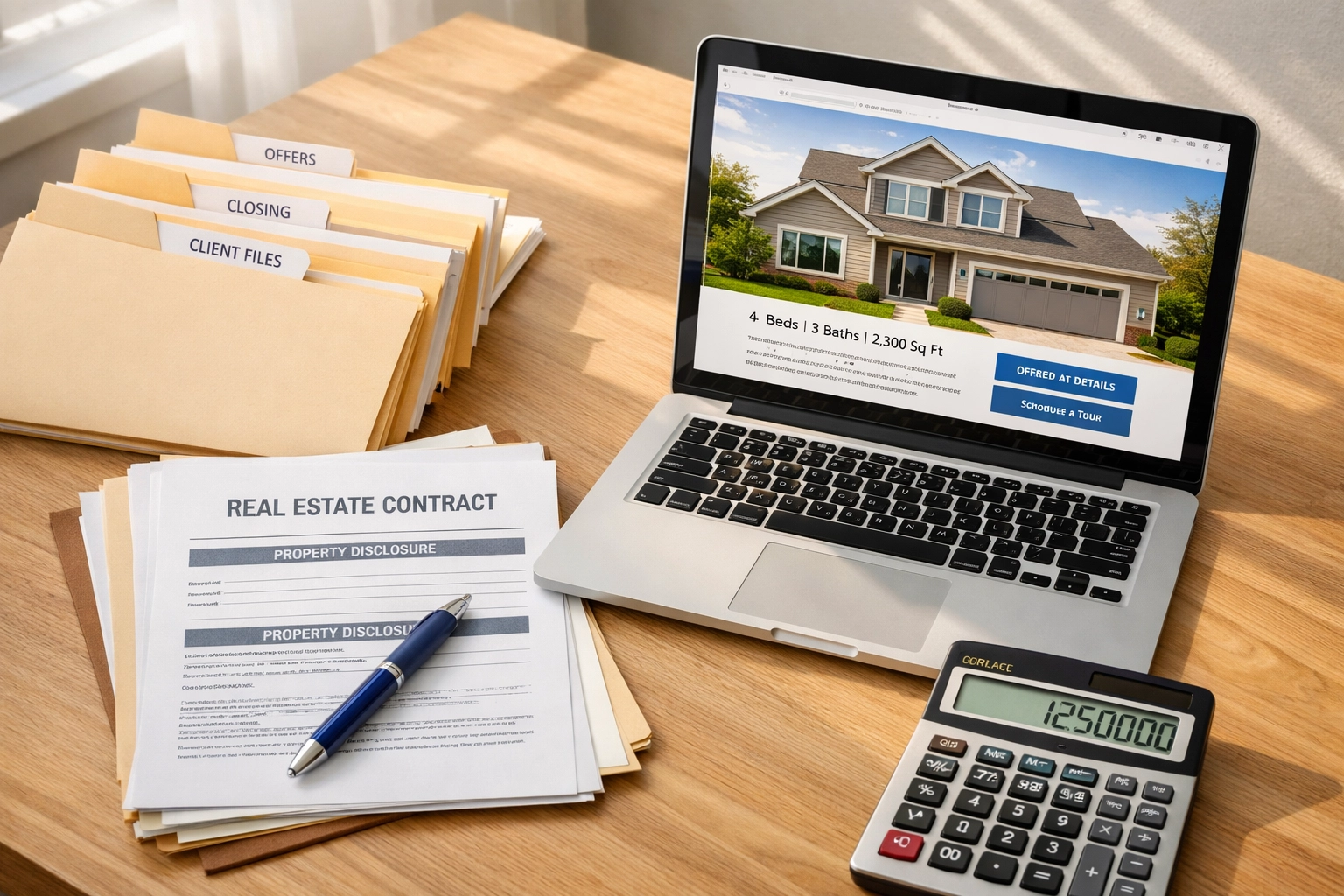
Why Paperwork Matters More Than You Think
Real estate transactions are built on documentation. Contracts, disclosures, and legal forms protect both you and the buyer. Without them, you risk:
Legal liability if undisclosed issues surface after closing
Deal delays if documents are missing or incomplete
Buyer mistrust if your process feels unprofessional
Closing cancellations if title or legal problems arise late
The good news? Most states require similar documents, and professional templates make it easy to stay compliant. You don't need to reinvent the wheel: you just need to know what belongs in your file.
The Four Stages of FSBO Documentation
Think of your paperwork in stages. Each phase of the sale requires different documents, and organizing them this way keeps you ahead of problems.
Stage 1: Before You List
This is your foundation. Before you hang the "For Sale By Owner" sign, gather these core documents.
Property Disclosure Forms
Most states require sellers to disclose known defects or issues with the property. This includes structural problems, roof leaks, past water damage, electrical issues, and more.
If your home was built before 1978, federal law requires a lead-based paint disclosure. Failing to provide this can result in legal penalties and buyer lawsuits.
Check your state's specific requirements early. Some states require natural hazard disclosures (earthquake zones, flood plains), septic system or well disclosures, and other region-specific forms.
Title and Ownership Documents
You'll need your property deed, which proves you own the home and have the legal right to sell it. If you can't locate your deed, contact your county recorder's office for a certified copy.
Pull your original sales contract from when you purchased the home. This helps verify the chain of ownership and can clarify boundary disputes or easements.
Get a current mortgage payoff statement from your lender. This shows exactly how much you owe and what funds you'll need to clear the lien at closing.
Proof of Maintenance and Improvements
Gather receipts, warranties, and records for:
HVAC service and repairs
Roof work or replacement
Plumbing and electrical upgrades
Appliance purchases and warranties
Major renovations or additions
If you completed any additions or structural changes, include building permits and final inspection certificates. Unpermitted work can kill a deal or create liability issues later.
Financial Records
Collect your most recent:
Property tax bills
Homeowners insurance policy
Utility bills (helps buyers estimate costs)
HOA dues and covenants (if applicable)
If your property is held in a trust, inherited, or part of a divorce settlement, have those legal documents ready as well.
Stage 2: While Your Home Is Listed
Once your home hits the market, you'll need a few additional documents to keep the process moving smoothly.
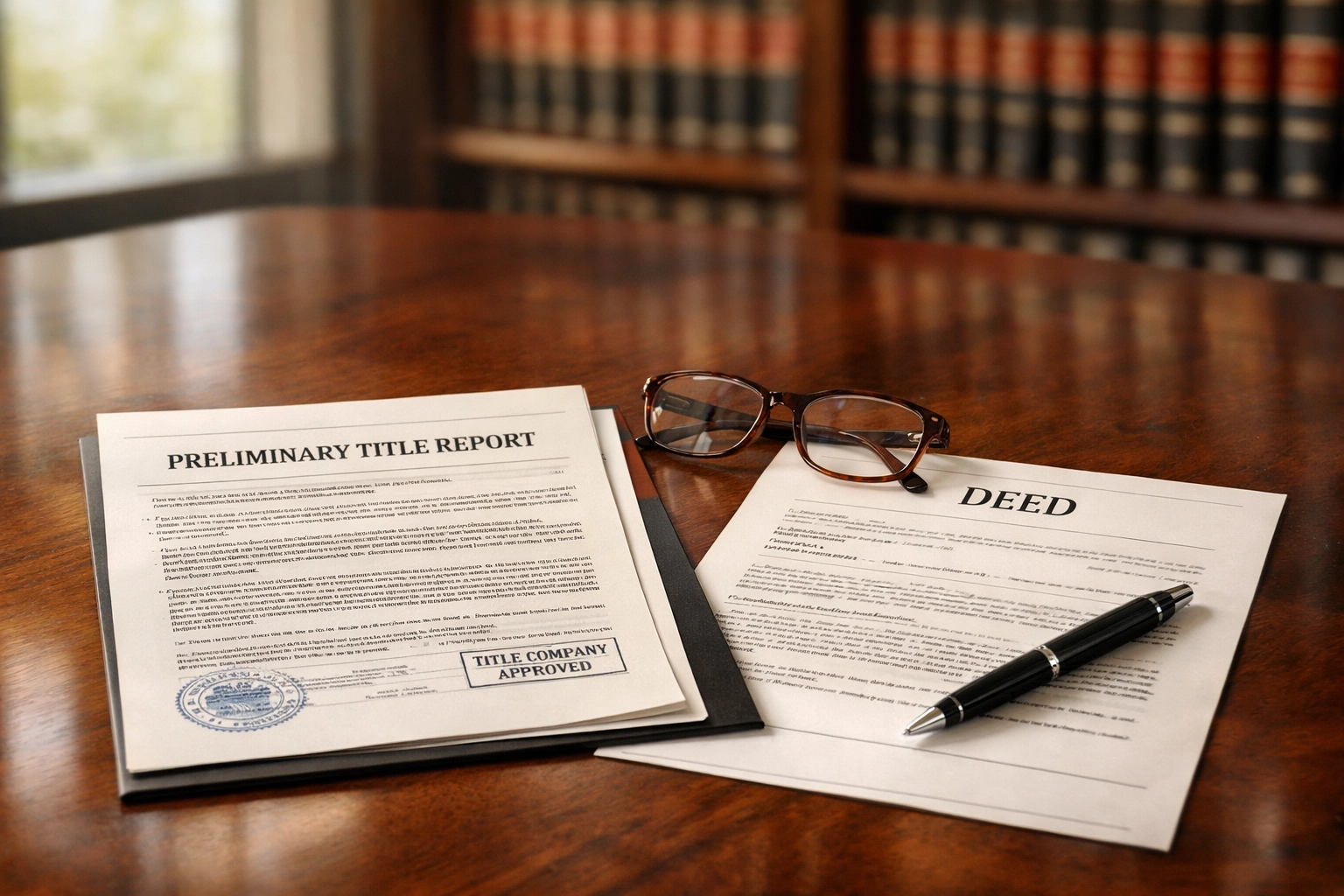
Preliminary Title Report
Order a preliminary title report from a title company. This verifies your ownership and identifies any liens, judgments, or legal claims against the property.
Buyers and lenders require a clean title before closing. Identifying issues early gives you time to resolve them without delaying the sale.
HOA Documentation
If your home is in a homeowners association, prepare:
CC&Rs (covenants, conditions, and restrictions)
HOA bylaws and rules
Current fee schedule
Recent meeting minutes
Reserve fund statements
Buyers have the right to review HOA documents, and some lenders require them before approving a loan.
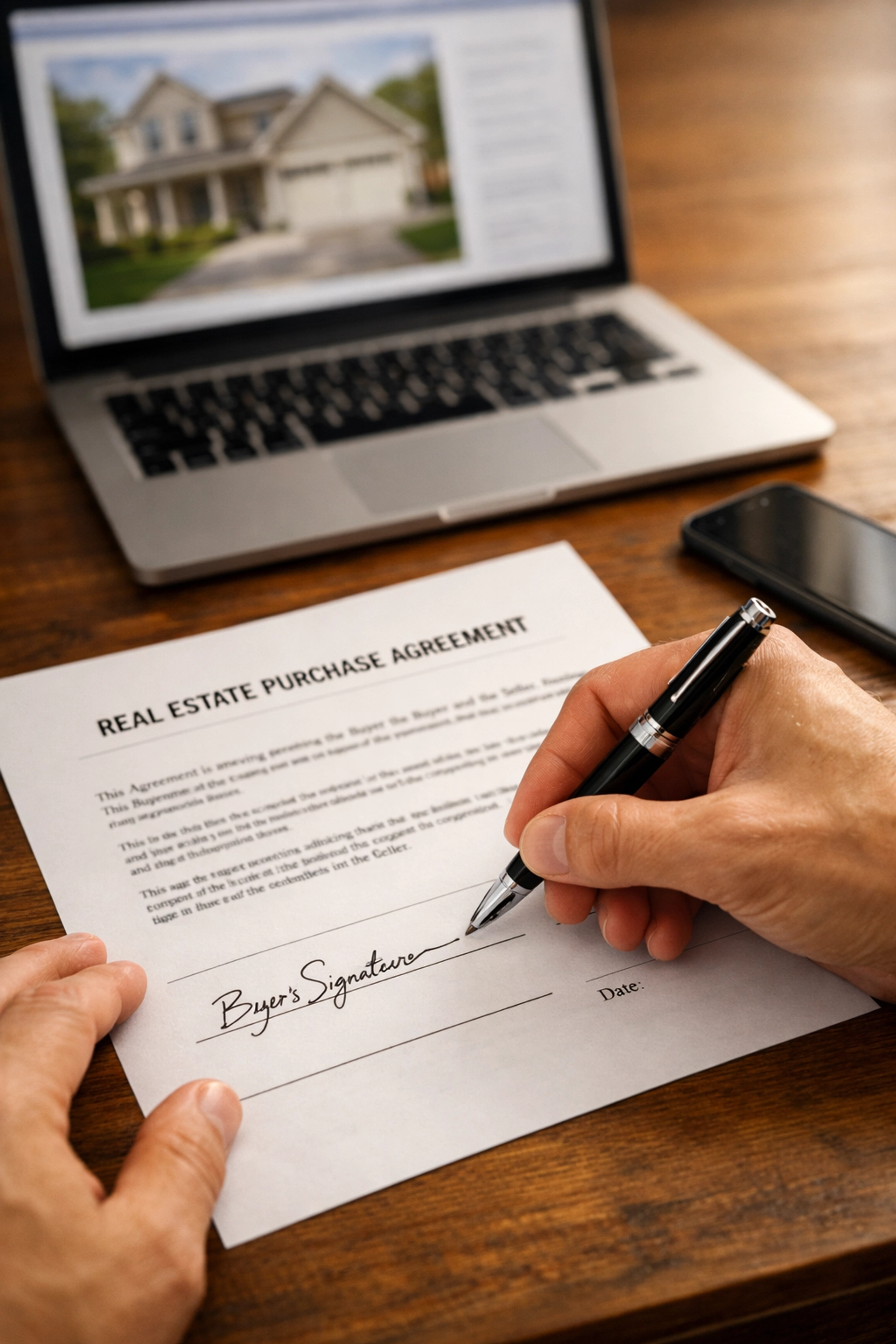
Purchase Agreement Template
Have a signed purchase agreement template ready to go. This is the legal contract that outlines price, contingencies, earnest money, closing date, and other terms.
Using a professional template from a service like LawDepot ensures your contract includes all required legal language and protects both parties. Never rely on a handwritten or incomplete agreement: it's your legal foundation.
Optional but Valuable Documents
Consider ordering:
A professional appraisal to support your asking price
A pre-listing home inspection to identify issues before buyers do
A survey or plot plan to clarify property boundaries
These documents cost money upfront but can prevent deal-killing surprises and strengthen buyer confidence.
Stage 3: After Receiving an Offer
Once a buyer makes an offer, the paperwork accelerates. You'll need documents that formalize the agreement and manage contingencies.
Executed Purchase Agreement
This is the signed, legally binding contract between you and the buyer. It includes:
Purchase price
Earnest money deposit
Contingencies (inspection, appraisal, financing)
Closing date
Included items (appliances, fixtures, etc.)
If you counteroffer, use a counteroffer form or addendum to modify the original agreement. Every change must be documented in writing and signed by both parties.
Addendums and Amendments
As the transaction progresses, you may need additional forms:
Inspection contingency addendum (if repairs are negotiated)
Appraisal contingency addendum (if the appraisal comes in low)
Financing contingency addendum (if loan terms change)
These addendums become part of the original contract and must be signed by both parties.
Contingency Removal Forms
Once the buyer completes inspections, appraisals, and financing, they'll sign contingency removal forms to move the deal forward. Keep copies of every signed form in your transaction file.
Stage 4: Between Contract and Closing
The final stretch. This is where the transaction becomes official and ownership transfers.
Closing Disclosure (CD)
Your title company or closing attorney will prepare the Closing Disclosure (formerly the HUD-1 Settlement Statement). This document itemizes every financial transaction in the sale:
Sale price
Loan payoff
Prorated taxes and HOA fees
Title insurance
Escrow fees
Your net proceeds
Review this document carefully before closing. Errors happen, and catching them early saves time and money.
Deed Transfer
The deed is the legal document that transfers ownership from you to the buyer. Your title company or attorney will prepare it, and you'll sign it at closing.
There are different types of deeds (warranty deed, quitclaim deed, etc.). Make sure the correct type is used for your transaction and state.
Tax Reporting (Form 1099-S)
If your sale meets IRS reporting thresholds, the title company will file a Form 1099-S with the IRS. This reports the gross proceeds from the sale and may trigger capital gains tax obligations.
Consult a tax professional if you're unsure how the sale affects your taxes, especially if you've lived in the home less than two years or the profit exceeds IRS exclusion limits.
Power of Attorney (if applicable)
If you can't attend closing in person, you may need to grant power of attorney to someone who can sign on your behalf. This must be notarized and approved by the title company in advance.
Home Warranty (optional)
Some sellers offer a home warranty to the buyer as a deal sweetener. If you choose this option, the warranty provider will issue a policy that transfers at closing.
How to Organize Your FSBO Paperwork
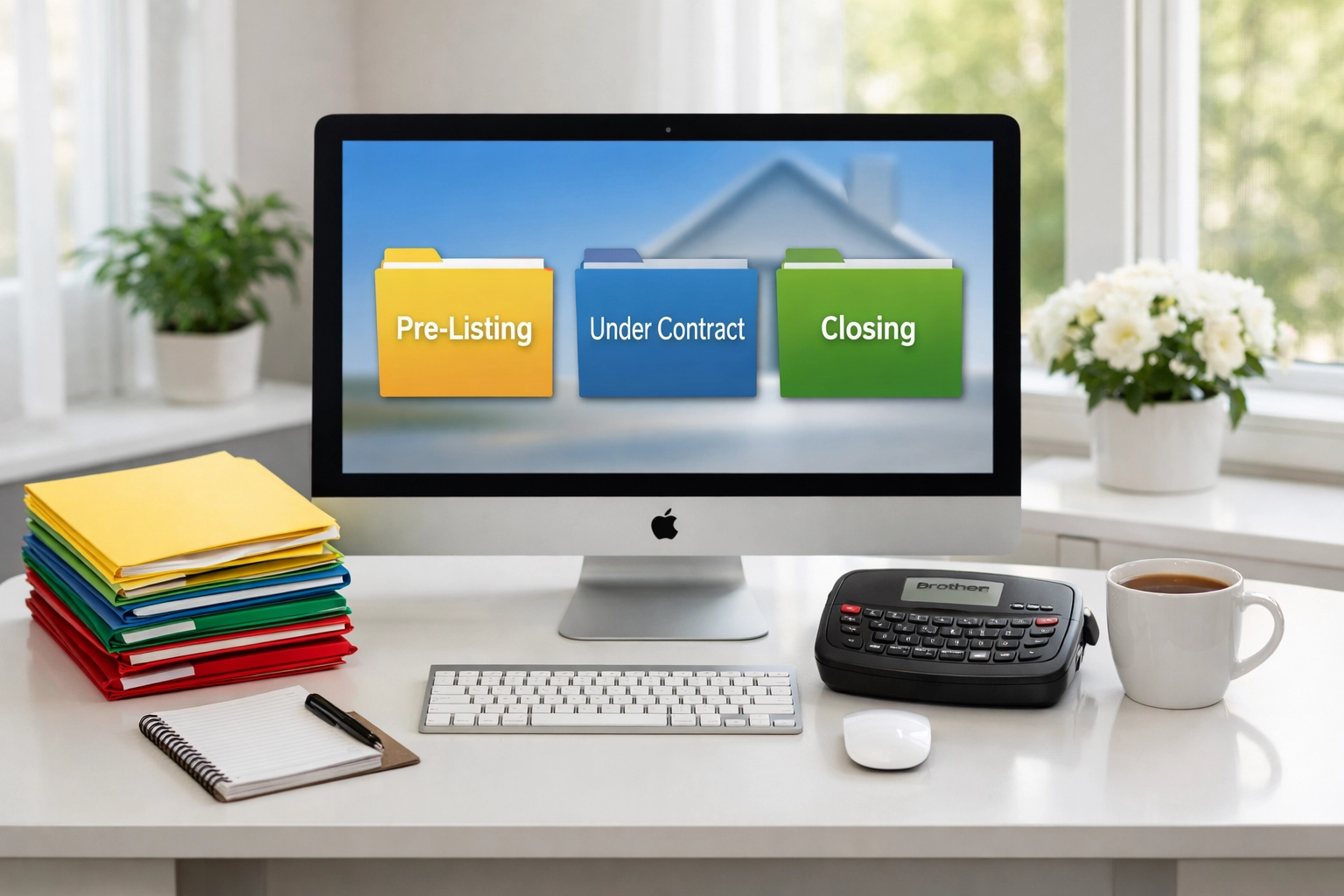
Create a digital folder system with these categories:
Pre-Listing Documents (disclosures, title, maintenance records)
Marketing Phase (purchase agreement template, HOA docs, inspections)
Under Contract (signed agreement, addendums, contingency removals)
Closing Prep (closing disclosure, deed, tax forms)
Keep both digital and physical copies. Email critical documents to yourself as backups.
Label every file clearly: PropertyAddress_DocumentType_Date.pdf
Get Professional Templates (Without Paying Agent Commissions)
You don't need a law degree, but you do need legally sound documents. Services like LawDepot provide state-specific real estate templates for purchase agreements, disclosures, addendums, and more.
Think of it as your legal insurance policy: professional, affordable, and designed to protect your transaction.
Pair that with The FSBO Pro's marketing tools, and you've got everything you need to sell confidently without paying 5–6% in agent commissions.
When to Consult a Real Estate Attorney
Even with great templates, there are times when professional legal advice is worth the cost:
Complex title issues (liens, judgments, boundary disputes)
Inherited properties or trust sales
Divorce-related sales
Zoning or land-use questions
Buyer disputes or contract negotiations gone sideways
A one-time attorney consultation (usually $200–$500) is far cheaper than fixing a legal problem after closing.
Final Checklist: Your Paperwork Fortress
Before you list:
✅ Property disclosure forms (including lead paint if pre-1978)
✅ Deed and original sales contract
✅ Mortgage payoff statement
✅ Maintenance and improvement records
✅ Property tax and insurance documents
While listed:
✅ Preliminary title report
✅ HOA documents (if applicable)
✅ Purchase agreement template
✅ Optional: appraisal, inspection, survey
After offer accepted:
✅ Signed purchase agreement
✅ Counteroffer and addendum forms
✅ Contingency removal forms
Before closing:
✅ Closing disclosure
✅ Deed transfer (prepared by title company)
✅ Form 1099-S (if applicable)
✅ Power of attorney (if needed)
✅ Home warranty (if offered)
You've Got This
Selling FSBO doesn't mean going it alone. With the right documents, professional templates, and a clear process, you can close a legally sound transaction without agent commissions eating into your equity.
Your paperwork fortress isn't about perfection: it's about preparation. Get your documents organized, use trusted resources like LawDepot for legal templates, and lean on The FSBO Pro's tools to market your home like a professional.
You're not just saving money. You're taking control of one of the biggest financial transactions of your life.


